
Editorial analysis based on publicly accessible cited materials. No issuer payment or editorial approval.
- The next wave of AI spending is no longer just about chips. It is also about grid access, cooling systems and the pace at which data-center capacity can actually be brought online.
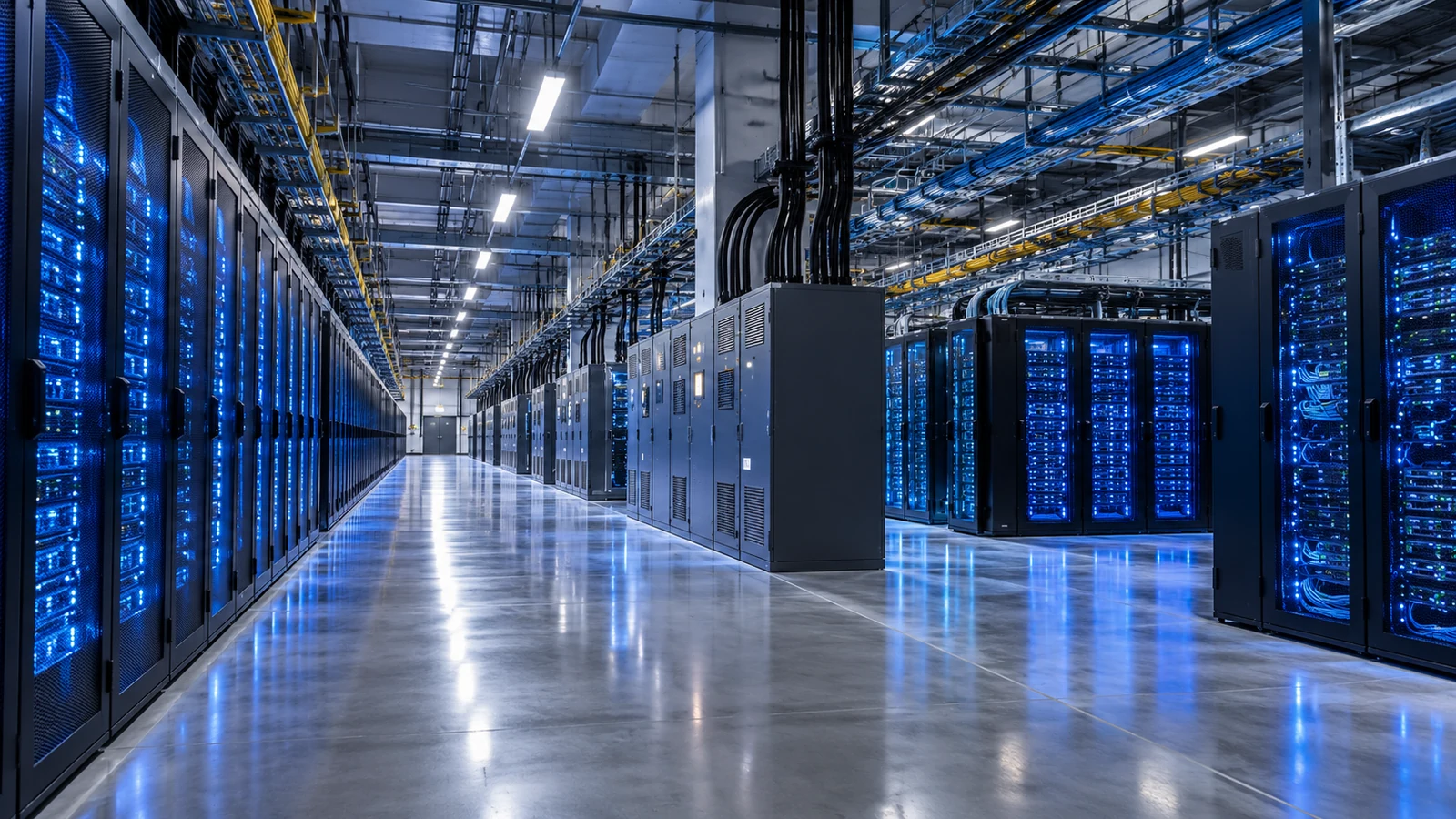
- Data-center expansion has become a second-order beneficiary of the AI cycle. Once capital is committed to advanced compute, operators still need buildings, substations, backup power, networking gear and enough cooling to keep dense racks online.
- That changes the conversation for investors. The buildout timeline is not determined solely by demand for servers. It is also affected by permitting, utility interconnection, land availability and the practical lead times for electrical and thermal equipment.
What happened
Data-center expansion has become a second-order beneficiary of the AI cycle. Once capital is committed to advanced compute, operators still need buildings, substations, backup power, networking gear and enough cooling to keep dense racks online.
That changes the conversation for investors. The buildout timeline is not determined solely by demand for servers. It is also affected by permitting, utility interconnection, land availability and the practical lead times for electrical and thermal equipment.
Power has become one of the clearest bottlenecks. In some markets, securing dependable electricity is taking longer than fitting out the server hall itself, which means the value of a planned campus can depend heavily on when it can actually energize.
Cooling is another differentiator. Higher-density workloads may require different approaches from legacy enterprise space, and the economics of those systems affect both operating costs and utilization.
For investors, the most useful updates are specific ones: capacity under construction, expected delivery windows, energy arrangements and whether management is discussing signed commitments or only preliminary plans.
As AI demand expands, infrastructure stories are likely to matter more. The market may reward not just theoretical capacity, but deliverable capacity with a realistic timetable and clear energy support.
What to verify next
- How much capacity is actually under construction versus only planned or optioned.
- Whether the project has identified power availability, cooling design and a target in-service date.
- Any mismatch between announced demand for AI compute and the practical timeline for bringing new facilities online.
Source review
This report was prepared from the identified source linked below and checked for the company name, ticker, publication date and material framework used in the summary.
Only substantive editorial changes receive a new modified date. Formatting, design and site-wide link maintenance do not refresh the publication record.
This article is informational and is not investment advice or a recommendation to buy or sell securities. Readers should review the original source and report factual concerns through our corrections page.