
This article was selected without issuer payment or pre-publication approval and prepared under Cornerstone Market Intelligence editorial standards. The source material used is linked on this page.
- Artificial intelligence is expanding demand for computing capacity, but power availability, cooling and connection timelines can determine how quickly capacity comes online.
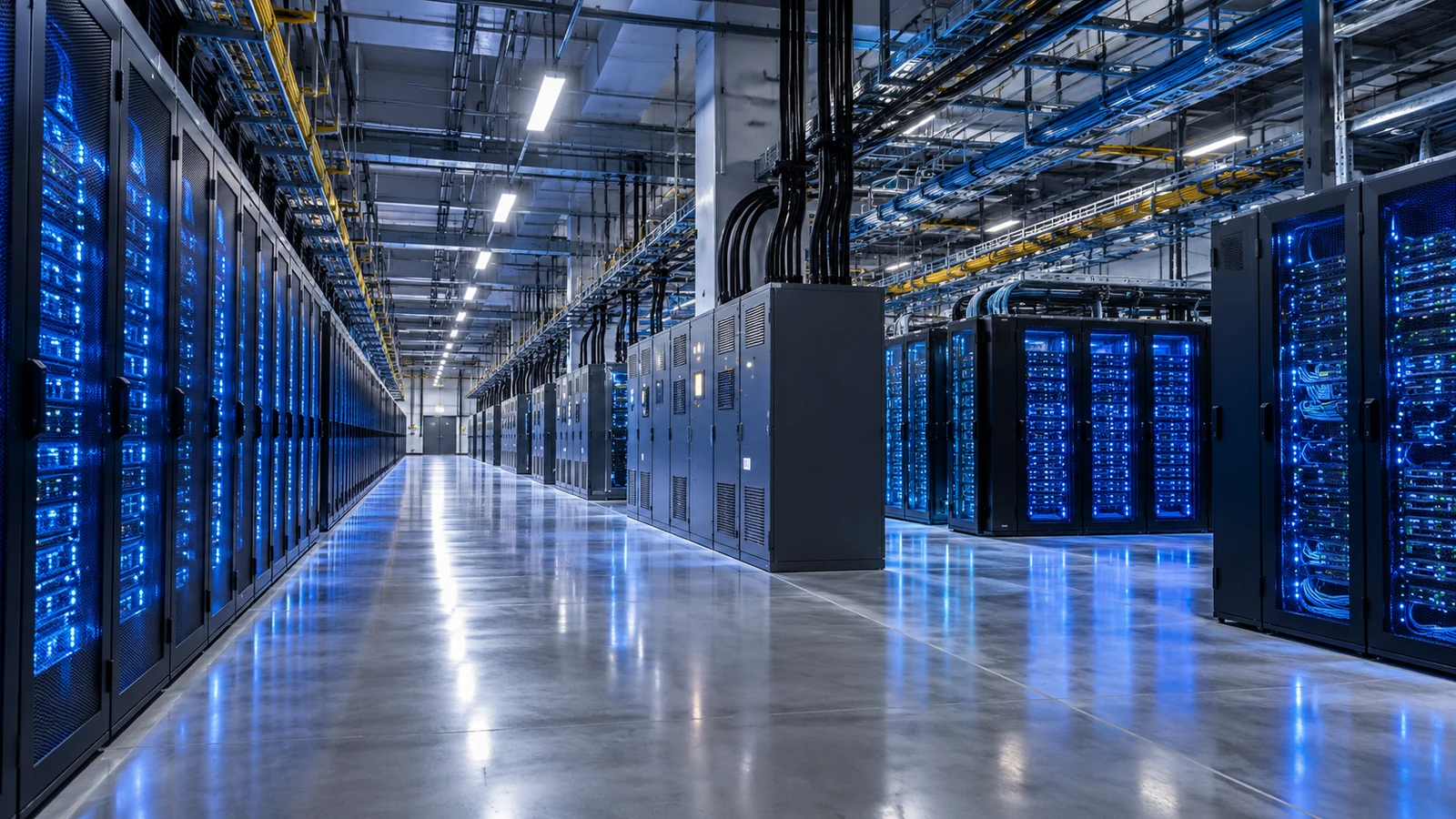
- Artificial intelligence is placing new demands on the physical systems behind cloud computing. The investment story is often framed around advanced processors and software, yet every new rack of servers also depends on electricity, cooling equipment, network connections and a building that can operate reliably around the clock.
- For a proposed data-center campus, access to power may be as consequential as demand from potential tenants. A developer must understand whether a utility has available capacity, which upgrades are necessary and how long connection approvals could take. A location with favorable land costs can become unattractive if the project cannot secure dependable power on a workable timeline.
The development
Artificial intelligence is placing new demands on the physical systems behind cloud computing. The investment story is often framed around advanced processors and software, yet every new rack of servers also depends on electricity, cooling equipment, network connections and a building that can operate reliably around the clock.
For a proposed data-center campus, access to power may be as consequential as demand from potential tenants. A developer must understand whether a utility has available capacity, which upgrades are necessary and how long connection approvals could take. A location with favorable land costs can become unattractive if the project cannot secure dependable power on a workable timeline.
AI workloads can also change engineering priorities inside the facility. Dense racks concentrate heat and can require sophisticated liquid-cooling or other thermal management systems. Those additions affect the initial capital budget, operating expenses, maintenance requirements and the expertise needed to run the site.
Investors comparing data-center companies should separate announcements of potential capacity from capacity that is energized, leased and generating revenue. A megawatt figure by itself does not identify the financing still required, the status of electrical interconnection or whether an anchor customer has signed an enforceable agreement.
The economic picture extends beyond construction. Power purchase arrangements, utilization rates, tenant concentration and depreciation can have material effects on profitability and cash generation. Contracts should be evaluated alongside projected capital expenditure and the timing of revenue recognition.
The central question is not simply how much AI computing the market might demand. It is which operators can convert demand into operating facilities without allowing electricity constraints, construction delays or financing costs to erode returns.
Why this matters
For a proposed data-center campus, access to power may be as consequential as demand from potential tenants. A developer must understand whether a utility has available capacity, which upgrades are necessary and how long connection approvals could take. A location with favorable land costs can become unattractive if the project cannot secure dependable power on a workable timeline.
AI workloads can also change engineering priorities inside the facility. Dense racks concentrate heat and can require sophisticated liquid-cooling or other thermal management systems. Those additions affect the initial capital budget, operating expenses, maintenance requirements and the expertise needed to run the site.
Industry and company context
Artificial intelligence is placing new demands on the physical systems behind cloud computing. The investment story is often framed around advanced processors and software, yet every new rack of servers also depends on electricity, cooling equipment, network connections and a building that can operate reliably around the clock.
For a proposed data-center campus, access to power may be as consequential as demand from potential tenants. A developer must understand whether a utility has available capacity, which upgrades are necessary and how long connection approvals could take. A location with favorable land costs can become unattractive if the project cannot secure dependable power on a workable timeline.
How to evaluate the update
Investors comparing data-center companies should separate announcements of potential capacity from capacity that is energized, leased and generating revenue. A megawatt figure by itself does not identify the financing still required, the status of electrical interconnection or whether an anchor customer has signed an enforceable agreement.
The economic picture extends beyond construction. Power purchase arrangements, utilization rates, tenant concentration and depreciation can have material effects on profitability and cash generation. Contracts should be evaluated alongside projected capital expenditure and the timing of revenue recognition.
Execution and risk considerations
The economic picture extends beyond construction. Power purchase arrangements, utilization rates, tenant concentration and depreciation can have material effects on profitability and cash generation. Contracts should be evaluated alongside projected capital expenditure and the timing of revenue recognition.
What to watch next
- The central question is not simply how much AI computing the market might demand. It is which operators can convert demand into operating facilities without allowing electricity constraints, construction delays or financing costs to erode returns.
Cornerstone perspective
The central question is not simply how much AI computing the market might demand. It is which operators can convert demand into operating facilities without allowing electricity constraints, construction delays or financing costs to erode returns.
This article is informational and is not investment advice or a recommendation to buy or sell securities. Forward-looking statements involve risks and uncertainty. Readers should review the original source and report factual concerns through our corrections page.