
Editorial analysis based on publicly accessible cited materials. No issuer payment or editorial approval.
- Geological promise does not become a producing mine in one step. Investors can track a sequence of geological, technical and commercial milestones.
- Background documents and the original source are linked below.
The development
Critical minerals attract attention because supply chains depend on materials that are difficult or slow to replace. Yet strategic interest in a commodity does not automatically establish the commercial viability of any single deposit.
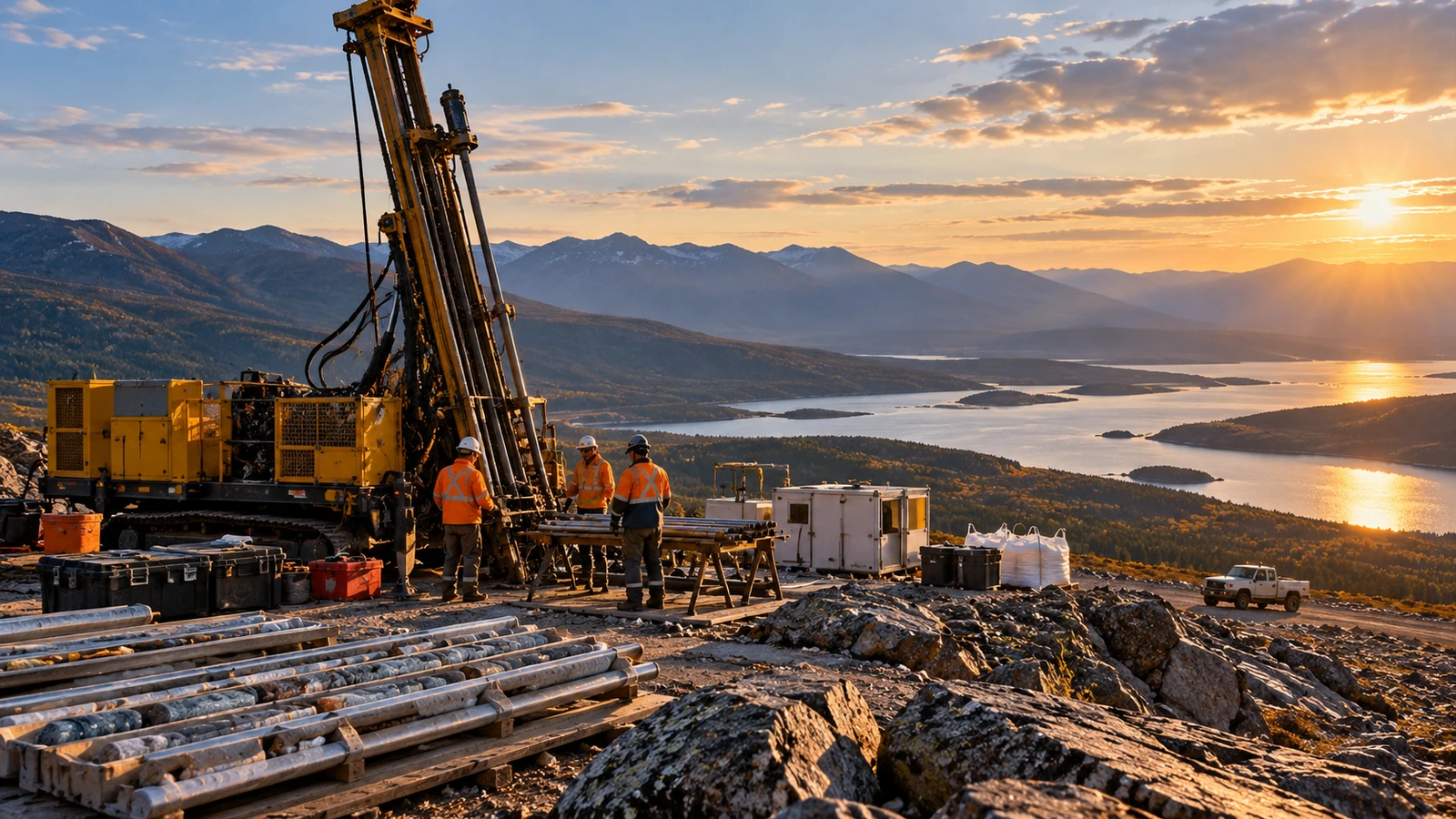
Early exploration defines targets and mineralization. Drill intercepts help determine continuity and geometry, but selectively reported high grades do not establish an economic resource by themselves.
Why it matters
Resource estimates bring a new level of geological confidence, and engineering studies test assumptions about processing, recovery, infrastructure, capital requirements and operating costs. Each stage reduces some uncertainty while revealing new questions.
Permitting, environmental baseline work and community engagement can dictate project timelines as much as drilling does. A deposit with appealing grades may still require complex infrastructure or water-management solutions.
What investors should examine
Markets can also change during development. Commodity prices, financing costs, access to equipment and customer qualification may look different when a project reaches construction than they did during discovery.
A useful investor checklist follows the evidence: defined mineral inventory, test work, credible cost estimates, permits, funding structure and execution. No one milestone substitutes for the entire chain.
Source and next steps
This report draws on U.S. Geological Survey. The source provides the primary context; subsequent filings and disclosures may change the picture.