A detailed review of the business, leadership and publicly reported progress. Sources checked September 8, 2026.
Conceptual editorial illustration; not a photograph of company assets or personnel.
- A planned MN8 project with Google includes 100 MWh of Eos storage designed for ten-hour discharge.
- Thorn Hill consolidation targets lower conversion costs and more coordinated production.
- Delivery growth and commercial leadership changes provide a base for the next phase of execution.
The product addresses how long stored power remains useful
Eos builds zinc-based battery energy-storage systems in the United States, with a focus on applications that need electricity over extended periods. The business question is about duration as much as instantaneous power. A system that can support several additional hours of demand may serve a different purpose from one designed primarily to respond to a short peak.
The company positions its aqueous zinc technology for utility, industrial, microgrid and other stationary-storage settings. Our interpretation is that the product is best understood through the customer’s operating requirement: when is electricity available, when is it needed, and how much of the gap should storage cover? That makes project design central to the commercial story. The battery chemistry, enclosure, controls, installation and service all need to work together. Eos’ opportunity is to become a dependable supplier for applications where longer discharge duration and a domestic manufacturing base are meaningful purchasing considerations.
Sources: [5]
A named project makes the application concrete
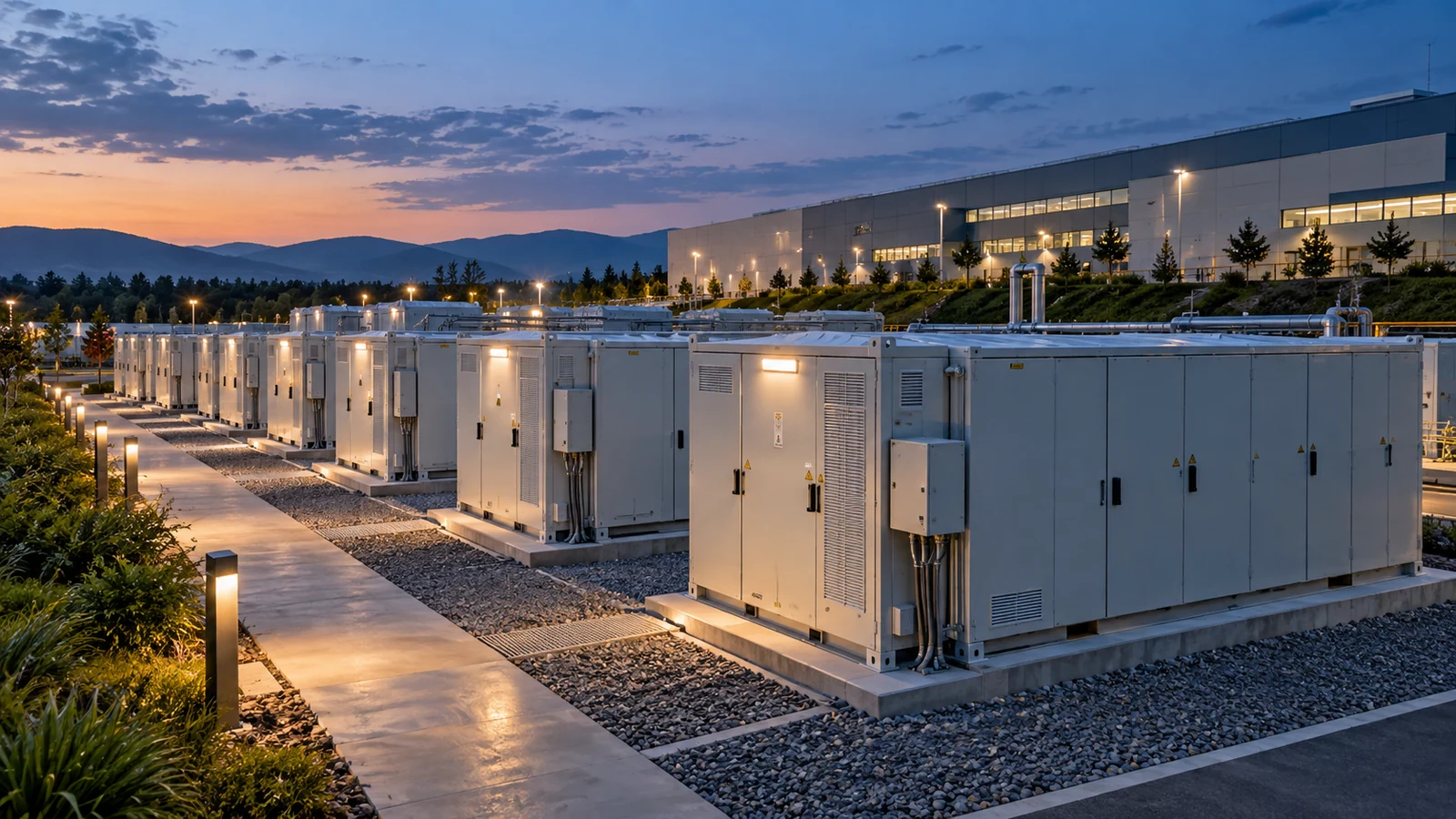
The September 2 announcement from MN8, Google and Eos describes a planned West Virginia project combining 86 MW of solar, 70 MW/280 MWh of lithium-ion storage and 10 MW/100 MWh of Eos Z3 storage. The Eos portion is designed for ten hours of discharge. Google will purchase energy, capacity and clean-energy attributes from the MN8-owned project.
This is a future deployment: the announcement targets solar operation in 2028, lithium-ion storage in 2029 and long-duration storage in 2030. Its significance is the defined role for Eos within a larger portfolio. Different technologies are being assigned different jobs, with longer-duration storage extending the hours during which stored energy can support demand. Our reading is that a specific project configuration is more informative than a broad market-size claim. It shows where the customer intends to use the product and the development timetable against which progress can be assessed.
Sources: [1]
Thorn Hill is the manufacturing focus
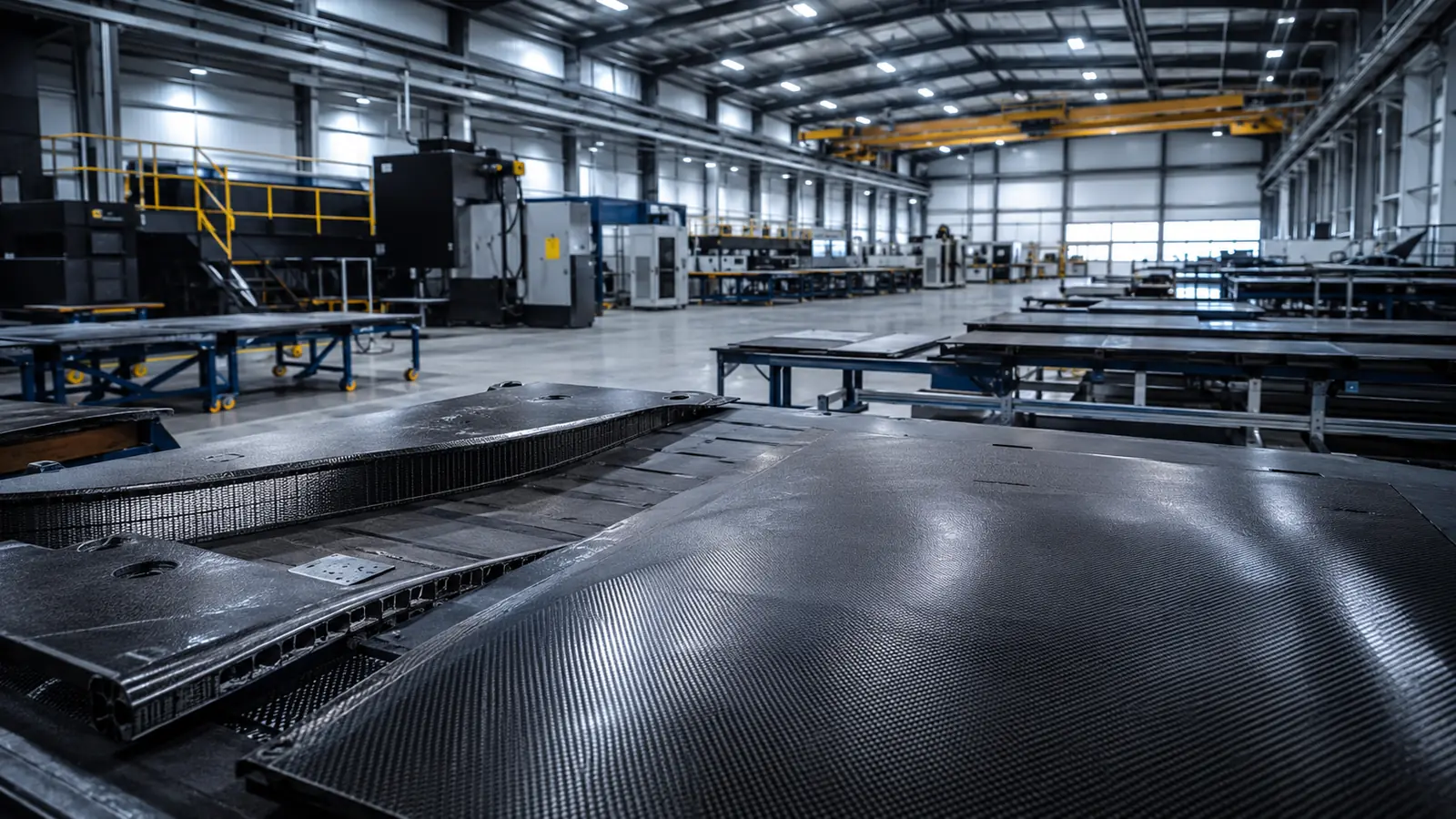
Eos’ August 27 plan would consolidate battery manufacturing at its 432,000-square-foot Thorn Hill location in Warrendale, Pennsylvania. Cube assembly, testing and shipping would remain at Turtle Creek’s Building 200. Commercial production at Thorn Hill began in June, and the company is targeting the transfer of the remaining battery operations across late 2026 and early 2027, subject to lender approvals.
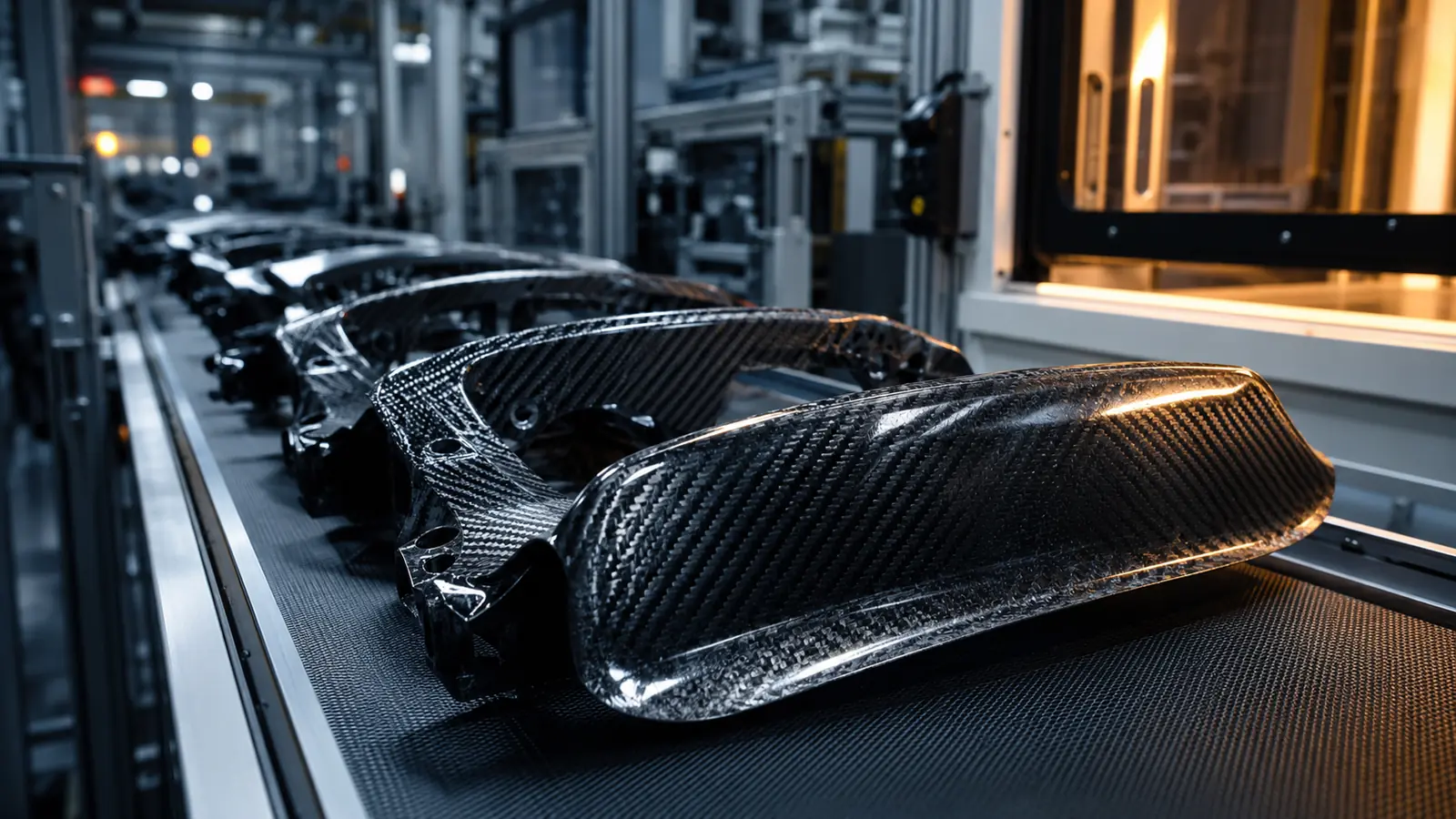
Management expects the move to reduce conversion costs by 10–15%, with benefits beginning in 2027. The anticipated combined nameplate capacity of roughly 4 GWh assumes both lines are operating; it is not a statement of current annual output. The constructive logic is straightforward: concentrating battery production can simplify material movement, staffing and coordination. The opportunity should be judged by the actual transition and subsequent production economics, with capacity, utilization and saleable output kept distinct.
Sources: [2]
Reported growth creates a larger base for improvement
Eos reported US$68.8 million in second-quarter 2026 revenue, up 351% year over year, and a US$807 million backlog. The release attributed approximately 80% of quarterly revenue to a project financed by a Cerberus affiliate and subsequently contributed to Frontier Power USA. That concentration is relevant context for the growth figure. Gross margin improved but remained negative, so the manufacturing story is still about building toward profitable production.
The company’s current full-year revenue guidance is US$300–350 million, a forecast rather than a completed result. Our reading is that the quarter demonstrates increased delivery activity while leaving a clear operational task ahead. More volume creates a larger base over which to improve processes, but sustainable economics require the factory to produce consistently at an appropriate cost. Future reports can connect the company’s manufacturing changes with that financial outcome.
Sources: [3]
Commercial leadership links customers, policy and delivery
Michelle Buczkowski became chief commercial officer effective August 24. Eos said sales, business development, government affairs, marketing and communications would report to her. She previously served as chief administrative officer and brings more than two decades of energy-sector experience, including roles at Duquesne Light and Consol Energy/CNX Resources. Chief executive Joe Mastrangelo continues to lead the company.
The structure reflects the complexity of buying an energy-storage project. Customers weigh delivery, financing, service, site requirements and policy alongside the equipment itself. A commercial team has to connect those considerations rather than treat an order as an isolated sales event. Our interpretation is that bringing the relevant functions together can help keep customer commitments aligned with the company’s actual capabilities. The useful next evidence will be orders that progress through installation and acceptance, supported by an organization that can explain and manage the full delivery process.
Sources: [4]
The next phase connects a factory with a fleet of projects
Eos has two parallel jobs. It needs to improve the repeatability and economics of manufacturing, and it needs to turn customer projects into successful operating installations. Those jobs are related but follow different schedules. A factory milestone can occur well before a particular project reaches commercial operation, while an announced project can give useful visibility without becoming near-term revenue.
Our perspective is that this distinction makes the company easier to follow. The strongest evidence will connect production progress, delivery commitments and real operating performance. The West Virginia announcement provides a clear application, Thorn Hill provides a defined manufacturing plan and the leadership transition identifies responsibility for commercial execution. Together, they give the company a substantive industrial story. The opportunity is to translate those elements into a dependable supply of storage systems that meet customers’ duration requirements and can be manufactured, installed and serviced efficiently over time.
Sources and further reading
This company feature focuses on publicly reported business developments and includes Cornerstone’s analysis. It is informational and is not investment advice or a recommendation to buy or sell securities. Forward-looking statements remain subject to execution and uncertainty. Review the linked sources and report factual concerns through our corrections page.