
A detailed review of the business, leadership and publicly reported progress. Sources checked September 5, 2026.
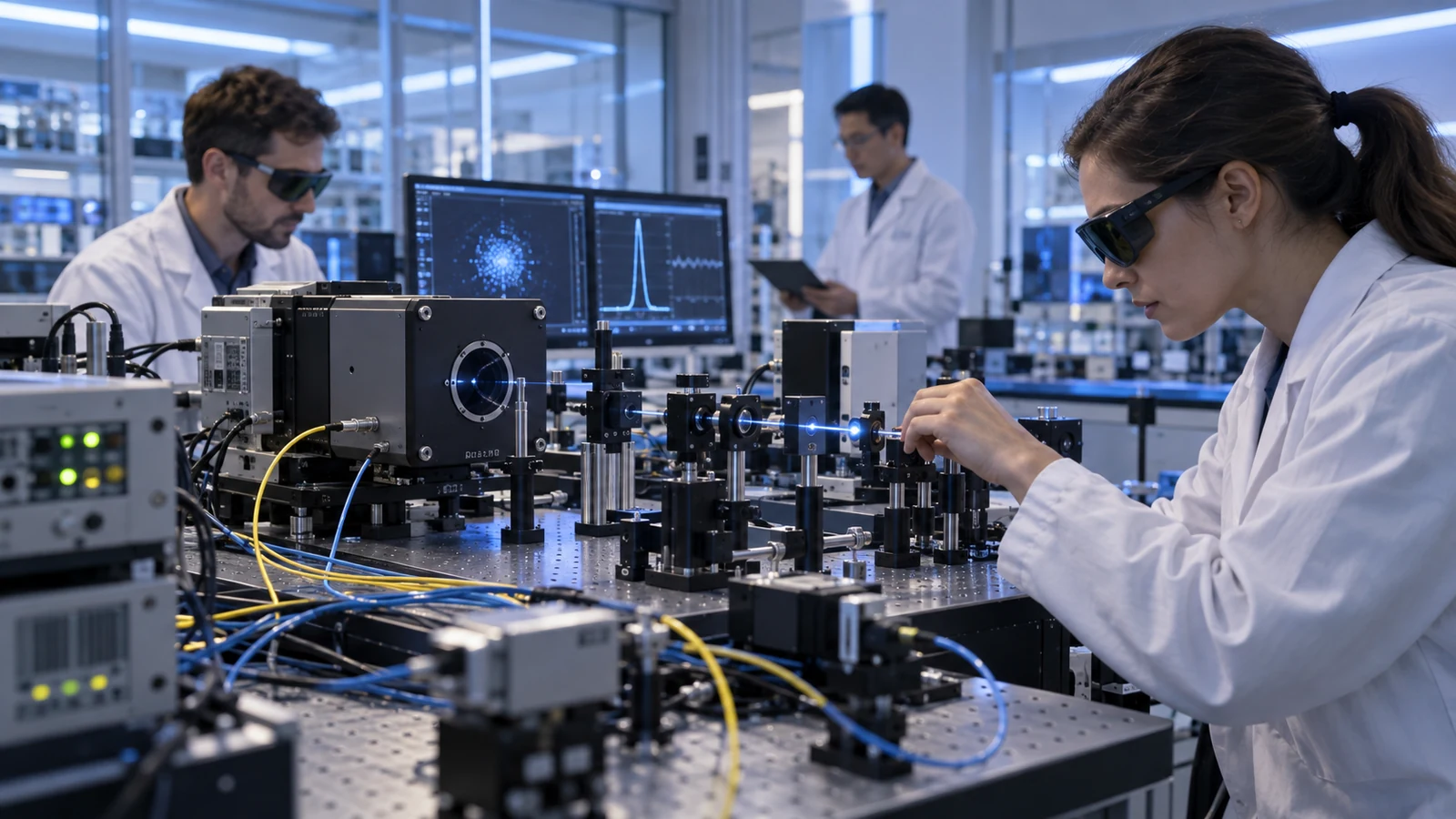
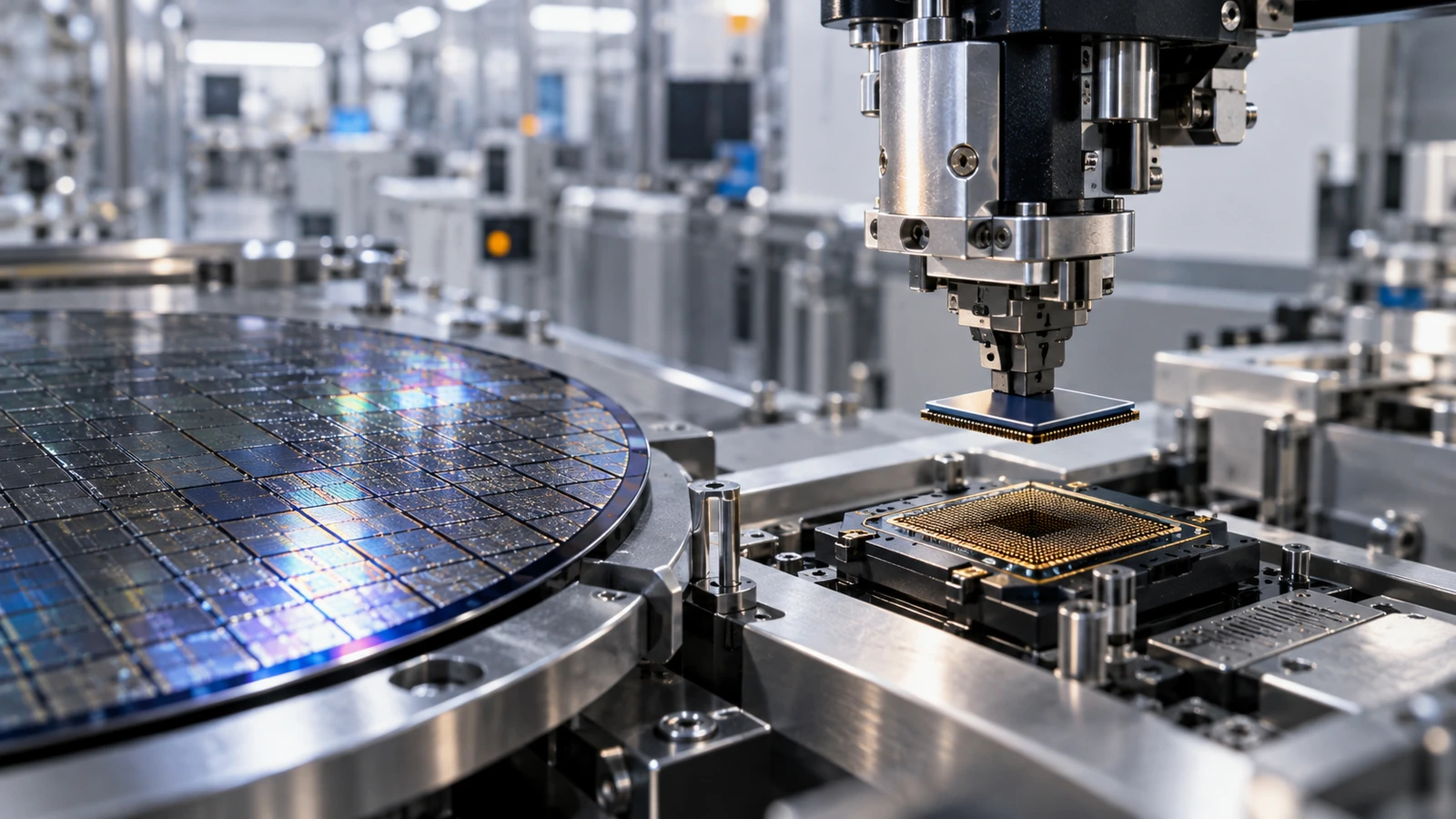
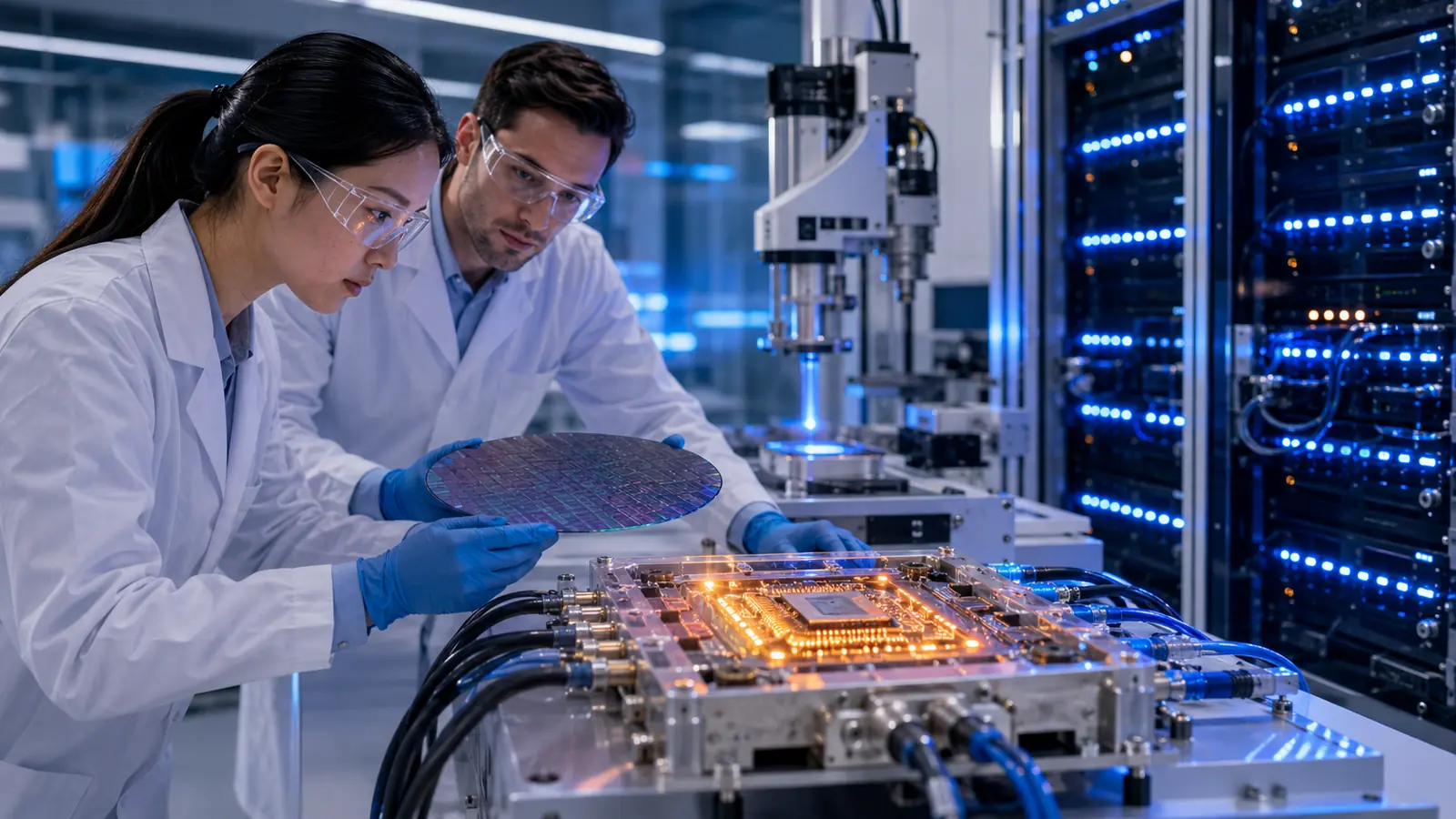
Conceptual editorial illustration; not a photograph of company assets or personnel.
- Micron addresses several layers of memory and storage inside AI systems.
- HBM4, SOCAMM2 and data-center SSDs provide distinct product opportunities.
- Product execution, manufacturing investment and workforce development form connected priorities.
Why memory belongs in the AI business conversation
An AI system needs more than processing power. It must hold information close to the processor, move that information quickly and access larger datasets from storage. Those functions create distinct engineering requirements, and Micron’s portfolio addresses several of them.
This makes the company useful to understand as part of a complete computing system. The product story is about matching bandwidth, capacity and power requirements to customer platforms. The operating story is about manufacturing those products consistently and supporting the people needed to do so. This feature brings those elements together using the company’s reported results and public product updates.
High-bandwidth memory: keeping data close to compute
Micron’s HBM products stack memory dies vertically and use a wide interface to move large amounts of data. The architecture is intended for demanding AI and high-performance computing applications. The company’s current portfolio includes HBM3E and HBM4.
The practical purpose is to help a processor receive information quickly enough to perform useful work. Capacity and bandwidth solve related but different problems: capacity determines how much information can be held, while bandwidth describes how rapidly it can move. Power efficiency adds another design requirement because large systems must operate within electrical and cooling limits.
Cornerstone’s interpretation is that memory engineering becomes more strategically important when it affects the utilization of the wider system. The commercial value is therefore tied to system performance and customer requirements, rather than to memory capacity alone.
Sources: [2]
A product portfolio reaching several parts of the system
Micron’s March 16 update said volume shipments of HBM4 36GB 12H began in the first calendar quarter of 2026, with the product designed for NVIDIA Vera Rubin. The same release described high-volume production of 192GB SOCAMM2 modules and the Micron 9650 PCIe Gen6 data-center SSD.
These products address different functions: high-bandwidth memory near accelerators, low-power system memory and persistent storage. Presenting them together helps explain the breadth of Micron’s participation in an AI platform. They should not be understood as interchangeable versions of the same product.
The release also distinguished production products from samples, including HBM4 48GB 16H samples sent to customers. That is a useful development sequence: sampling allows evaluation, while volume shipment represents a later commercial stage. The positive evidence is that several product lines were already moving through production.
Sources: [3]
Reported results provide a financial checkpoint
For fiscal Q3 2026, ended May 28, Micron reported revenue of US$41.46 billion, GAAP net income of US$28.24 billion and operating cash flow of US$25.39 billion. Revenue in the comparable prior-year quarter was US$9.30 billion. The June 24 release also described multiyear Strategic Customer Agreements intended to improve planning visibility.
Micron reported US$7.1 billion in net capital expenditures and US$18.3 billion in adjusted free cash flow for the quarter. Adjusted free cash flow is a non-GAAP measure; it is identified separately from operating cash flow and net income.
For this company breakdown, the financial figures provide a checkpoint against the product narrative. They show reported activity and cash generation during a defined period. Customer agreements and investment plans help explain management’s direction, while subsequent results will show the next stage of performance.
Sources: [1]
The people leading technology, operations and finance
Micron’s current leadership page identifies Sanjay Mehrotra as chairman and chief executive officer, Manish Bhatia as president and chief operating officer, Scott J. DeBoer as president and chief technology and products officer, and Mark Murphy as executive vice president and chief financial officer. April Arnzen serves as executive vice president and chief people officer.
Mehrotra joined Micron in 2017 after a career that included co-founding SanDisk and serving as its president and CEO. The broader leadership team separates responsibility for technology, operations, finance and workforce development, all central to scaling a semiconductor business.
Cornerstone’s assessment is that the structure fits the work involved. Product performance must be matched with manufacturing execution, investment discipline and the recruitment and training of skilled employees. Those responsibilities are connected, and progress depends on coordinating them across a large organization.
Sources: [4]
Training infrastructure supports the manufacturing plan
On August 24, Micron opened a 60,000-square-foot training center in Boise. It also announced a combined US$3 million contribution with the US Department of Commerce to support the College of Western Idaho through educator pay, equipment and classroom space. The company said its apprenticeship program was building toward triple-digit enrollment by the end of fiscal 2027.
The facility is a concrete workforce-development milestone. It provides a setting for technical instruction and preparation before employees enter complex manufacturing environments. Its significance is the connection between investment in physical production capacity and investment in the people who will operate and maintain it.
Training does not itself add saleable chips, but it supports the readiness needed for manufacturing growth. That makes it a substantive part of the company’s progress rather than an unrelated community announcement.
Sources: [5]
Connecting today’s products with tomorrow’s capacity
Micron’s Idaho expansion materials place workforce preparation alongside its broader manufacturing plans. That relationship is central to understanding a semiconductor build-out. Buildings, production equipment, engineering processes and trained teams all have to come together before additional capacity can contribute reliably to customer supply.
Cornerstone’s view is that the strongest part of Micron’s company story is this connection between product development and industrial execution. The useful next checkpoints are customer qualification, production ramps, workforce readiness and future reported results. Each answers a different question about the same business.
A positive profile can therefore remain specific: Micron has disclosed products in volume production, financial results for a defined quarter and a newly opened training facility. The opportunity ahead rests on extending those accomplishments across a larger operating base. All financial figures here are in US dollars, and fiscal periods are identified explicitly.
Primary sources
This article is informational and is not investment advice or a recommendation to buy or sell securities. Forward-looking statements involve risks and uncertainty. Readers should review the original source and report factual concerns through our corrections page.