This article was selected without issuer payment or pre-publication approval and prepared under Cornerstone Market Intelligence editorial standards. The source material used is linked on this page.
- Scandium Canada’s Scalium+ subsidiary is adapting its aluminum-scandium alloy from thin sheet into aerospace-grade thick plate under a $348,750 Canadian Space Agency contribution agreement.
- Scandium Canada said its wholly owned Scalium+ subsidiary is advancing an aluminum-scandium alloy development program aimed at space applications, including next-generation Canadian satellite components. The work is supported by an existing Canadian Space Agency contribution agreement.
- The agreement provides a non-repayable contribution of $348,750 and runs through May 31, 2028. The technical objective is to adapt Scalium from thin-sheet production into thicker plate formats that can be evaluated for aerospace structures where lower mass and high mechanical performance can have significant value.
The development
Scandium Canada said its wholly owned Scalium+ subsidiary is advancing an aluminum-scandium alloy development program aimed at space applications, including next-generation Canadian satellite components. The work is supported by an existing Canadian Space Agency contribution agreement.
The agreement provides a non-repayable contribution of $348,750 and runs through May 31, 2028. The technical objective is to adapt Scalium from thin-sheet production into thicker plate formats that can be evaluated for aerospace structures where lower mass and high mechanical performance can have significant value.
Management said early laboratory work has been completed and the program is moving into industrial-scale manufacturing, performance validation and application demonstration. The project originally involved Ferreol Technologies, which Scandium Canada acquired in June 2026; an August amendment formally recognized Scalium+ as the beneficiary while keeping the existing project framework in place.
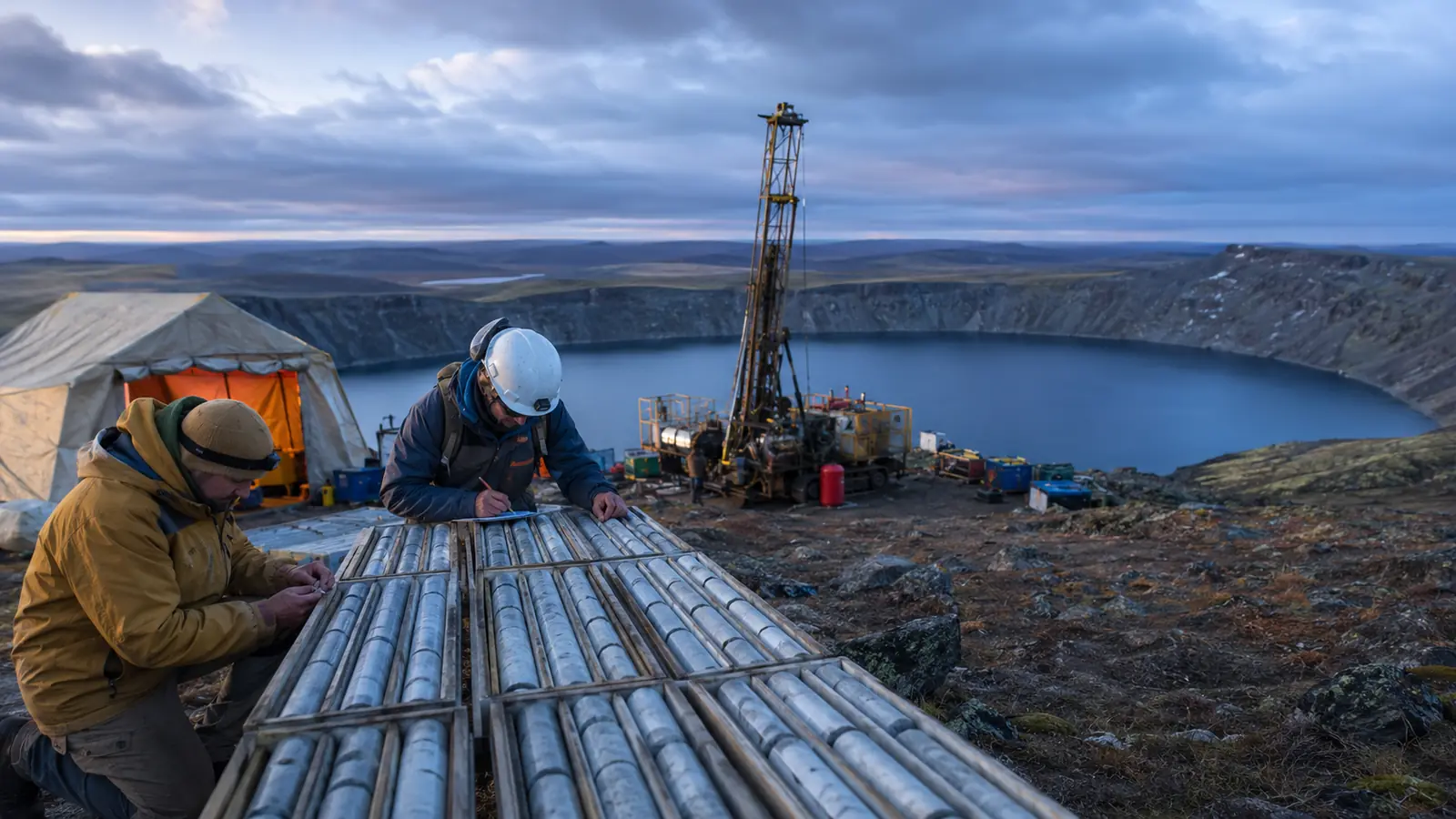
The program adds a downstream commercialization angle to Scandium Canada’s upstream Crater Lake strategy. Instead of relying only on the value of an undeveloped scandium resource, the company is trying to build an alloy platform that could connect future scandium supply to higher-value industrial markets such as aerospace, defense and transportation.
That integration creates potential strategic value, but it also introduces a different set of milestones. Alloy qualification requires repeatable manufacturing, customer testing, standards compliance and proof that performance gains justify material costs. The CSA contribution lowers some R&D funding pressure, but it does not by itself establish commercial adoption.
Why this matters
The program links Scandium Canada’s mineral-development thesis to a specific high-value end market rather than treating scandium only as a commodity input.
A government-supported R&D pathway can help validate manufacturing steps, but commercial scale will still depend on customer qualification and economics.
Industry and company context
Scandium is typically used in small additions to aluminum to improve properties such as strength and weldability. Because demand is relatively specialized, credible end-use development is important to the investment case for new scandium supply.
Scandium Canada is simultaneously advancing exploration and resource work at Crater Lake, so the company now has both upstream and downstream technical programs to fund and execute.
How to evaluate the update
The most useful milestones will be successful thick-plate production, independent mechanical testing and evidence of direct engagement with satellite or aerospace manufacturers.
Investors should also compare downstream progress with Crater Lake resource, metallurgy and economic-study timelines to see whether the two sides of the strategy are converging.
Execution and risk considerations
Specialty-alloy commercialization can take years and customer qualification may not lead to material orders.
Future scandium supply, pricing, processing economics and capital needs at Crater Lake remain separate risks from the CSA-supported R&D work.
What to watch next
- Completion of industrial-scale thick-plate manufacturing trials.
- Performance-validation data and aerospace qualification steps.
- New customer or development partnerships tied to Scalium+ applications.
Cornerstone perspective
The CSA-backed work makes Scandium Canada’s vertical-integration narrative more tangible because it attaches a defined technical program and funding contribution to a real end-use case.
The harder test comes later: converting promising materials science into repeatable production and customer adoption at economics that can support a broader scandium value chain.
This article is informational and is not investment advice or a recommendation to buy or sell securities. Forward-looking statements involve risks and uncertainty. Readers should review the original source and report factual concerns through our corrections page.