This article was selected without issuer payment or pre-publication approval and prepared under Cornerstone Market Intelligence editorial standards. The source material used is linked on this page.
- ZenaTech’s ZenaDrone business was named 2026 Drone Technology of the Year by AgTech Breakthrough for its precision-agriculture drone platform.
- ZenaTech announced that its ZenaDrone subsidiary received the 2026 “Drone Technology of the Year” award from the AgTech Breakthrough Awards program. The recognition focuses on the company’s use of autonomous drones, imaging systems and AI-driven analysis for precision-agriculture applications.
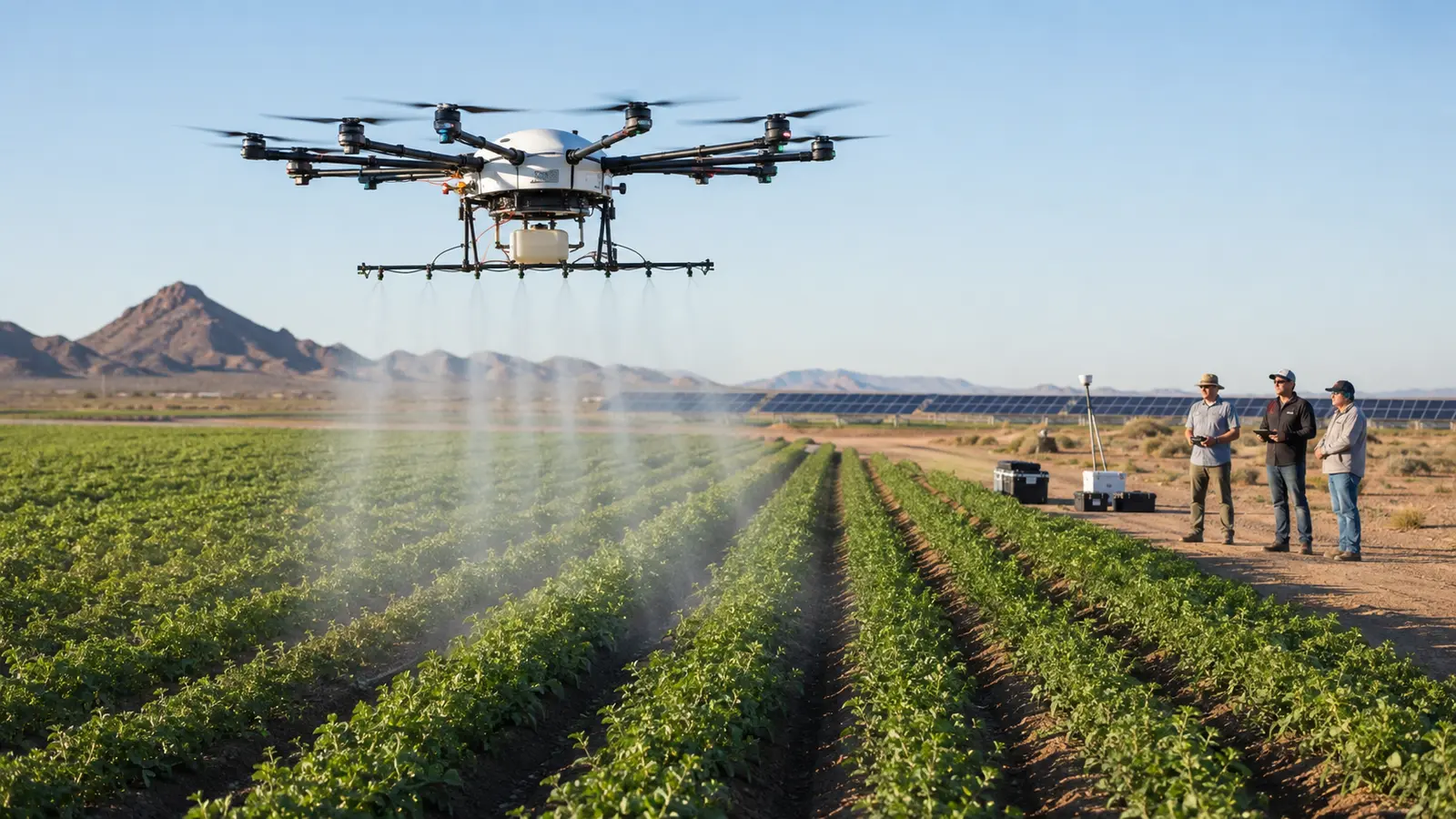
- The company said its agricultural platform is designed to help growers monitor crop health, identify plant stress, optimize irrigation and fertilizer use, detect pests and disease, and generate aerial data for field-level decisions. ZenaTech’s current agriculture solutions are described as being in testing and pilot stages, an important qualification because the award recognizes the technology approach rather than demonstrating broad commercial deployment.
The development
ZenaTech announced that its ZenaDrone subsidiary received the 2026 “Drone Technology of the Year” award from the AgTech Breakthrough Awards program. The recognition focuses on the company’s use of autonomous drones, imaging systems and AI-driven analysis for precision-agriculture applications.
The company said its agricultural platform is designed to help growers monitor crop health, identify plant stress, optimize irrigation and fertilizer use, detect pests and disease, and generate aerial data for field-level decisions. ZenaTech’s current agriculture solutions are described as being in testing and pilot stages, an important qualification because the award recognizes the technology approach rather than demonstrating broad commercial deployment.
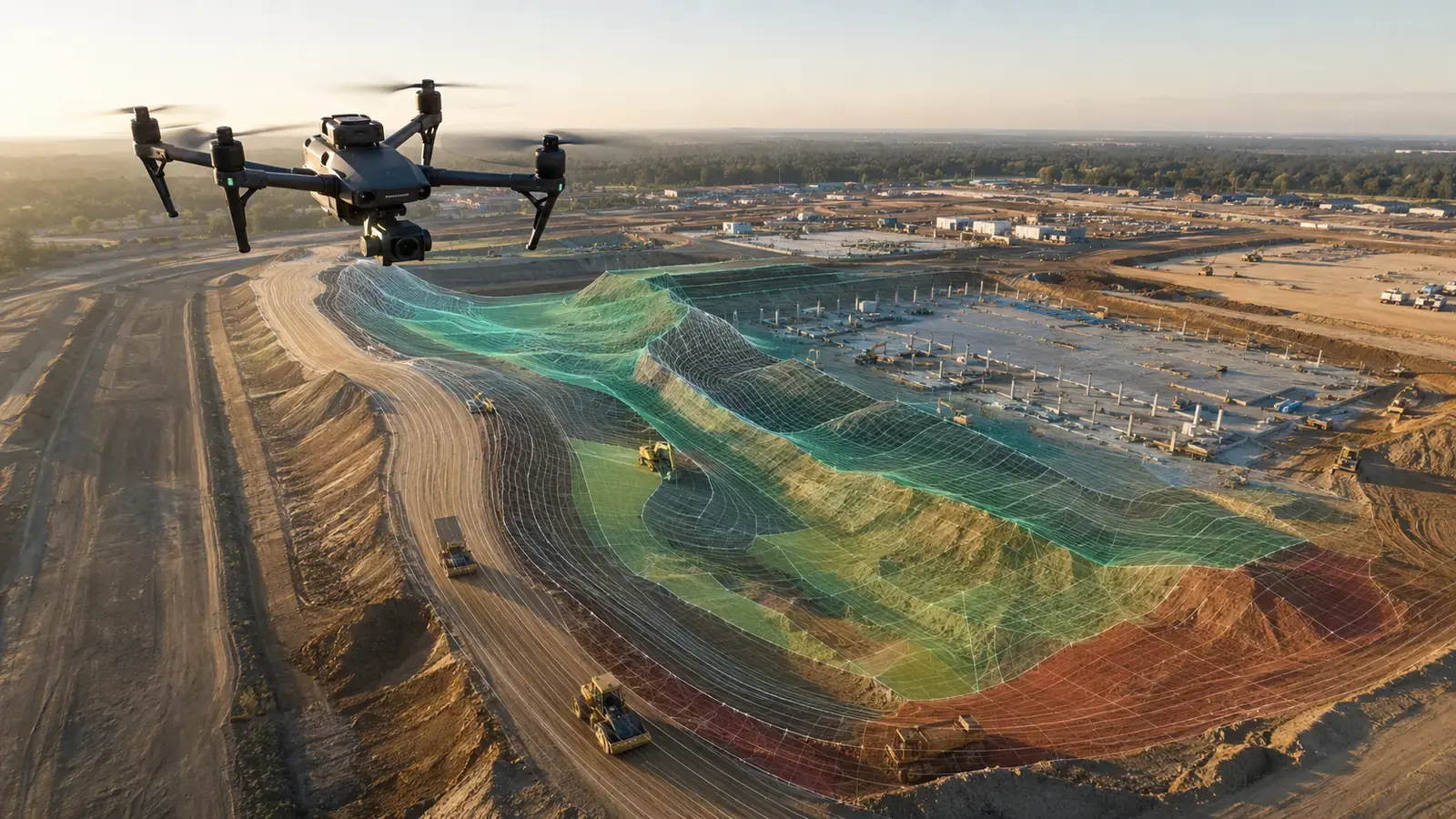
ZenaDrone’s product set includes the larger ZenaDrone 1000 and the IQ Series. The company describes applications that include field mapping, plant and weed counts, growth monitoring, targeted treatment decisions, terrain mapping, livestock monitoring and farm security. Those functions combine autonomous flight with imaging and analytics rather than treating the drone as a stand-alone aircraft.
ZenaTech is also building a Drone as a Service model across several industries. In agriculture, that model is intended to let customers use drone hardware and analytics without owning and operating the aircraft themselves. The commercial thesis is that a service structure can reduce adoption friction for customers that need aerial data but do not want to build internal aviation and data-processing capability.
Why this matters
Industry awards are not the same as commercial contracts, but they can provide third-party visibility for a product category. For ZenaTech, the more relevant question is whether recognition in agriculture helps convert pilot programs into recurring Drone as a Service customers.
Precision agriculture is a credible use case for autonomous aerial systems because the value proposition can be measured through coverage speed, repeatability, input usage and the quality of field data. Those metrics make agriculture a useful test of whether ZenaTech can turn drone capability into operational economics.
Industry and company context
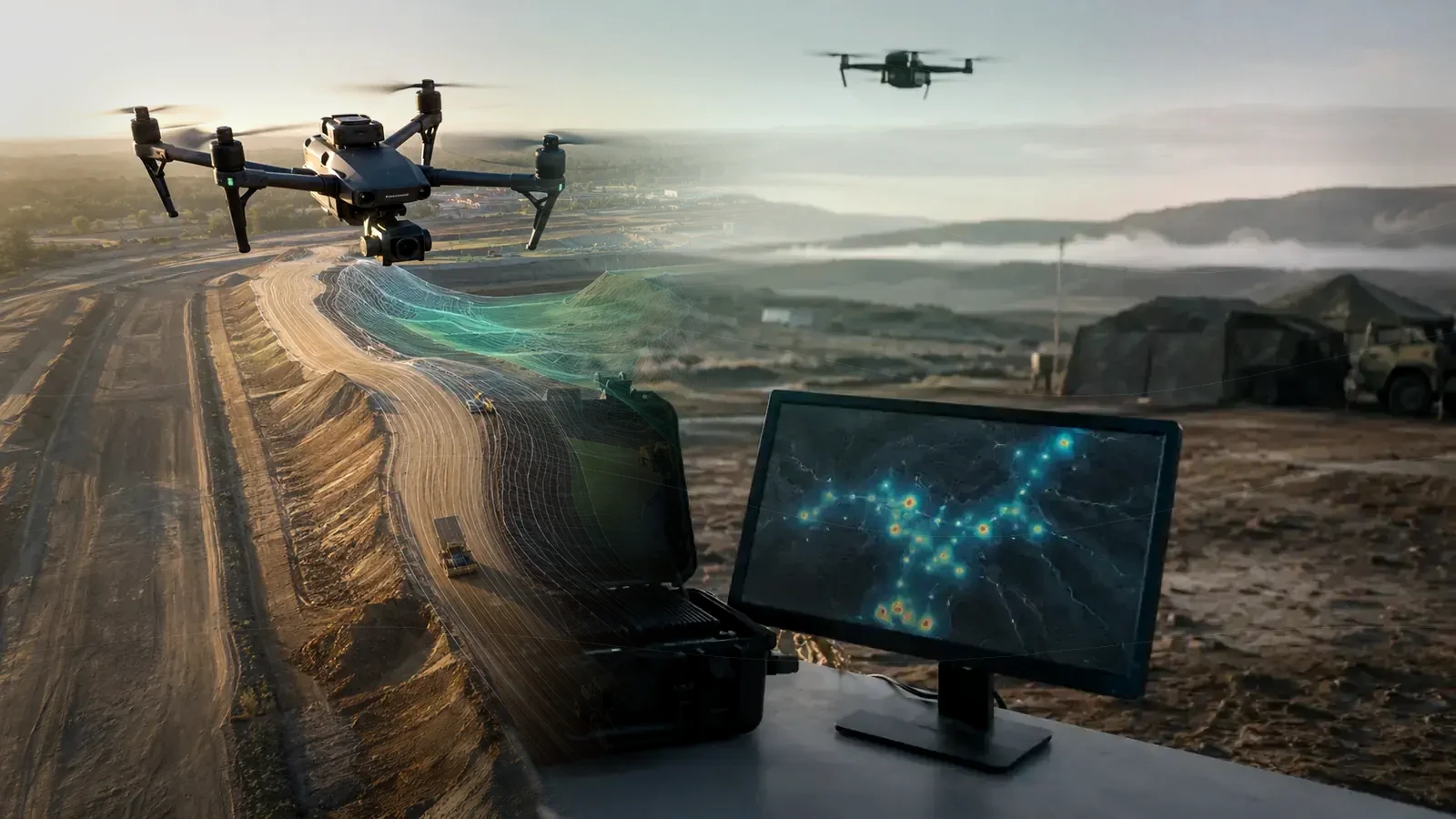
ZenaTech has been expanding through both internal product development and acquisitions, with its broader strategy spanning surveying, inspections, agriculture, logistics and defense. The agriculture award therefore sits inside a much wider roll-up and product-development plan.
The company’s competitive landscape includes established agricultural-drone manufacturers, software providers and local service operators. Hardware performance matters, but distribution, regulatory compliance, service availability and data integration can be equally important in determining adoption.
How to evaluate the update
Investors should look for disclosed pilot scale, customer conversion, recurring service revenue and measurable agricultural deployments rather than relying on the award itself as evidence of commercial traction.
Product differentiation will also become clearer through information about sensor packages, autonomy, analytics, field throughput and integration with farm-management workflows. Those details determine whether the offering is meaningfully distinct from competing drone systems.
Execution and risk considerations
The agricultural solutions remain at testing and pilot stage, so timing and scale of commercial adoption are uncertain. Awards can improve visibility without guaranteeing procurement decisions.
Drone operations are also exposed to regulatory requirements, hardware reliability, weather conditions, operator training and competition from lower-cost platforms. ZenaTech’s acquisition-led expansion adds integration and capital-allocation risk alongside product execution.
What to watch next
- Conversion of agriculture pilots into paying Drone as a Service customers.
- New field deployments, service locations or partnerships tied specifically to agriculture.
- Evidence of recurring revenue and utilization across ZenaTech’s expanding DaaS network.
Cornerstone perspective
The award is most useful as a visibility marker for a defined commercial use case rather than a financial milestone. Precision agriculture gives ZenaTech a market where autonomous flight and analytics can be evaluated against concrete operational outcomes.
The next step is commercial proof. Customer adoption, repeat service use and disclosed economics will matter more than recognition as the company works to scale its drone platform.
This article is informational and is not investment advice or a recommendation to buy or sell securities. Forward-looking statements involve risks and uncertainty. Readers should review the original source and report factual concerns through our corrections page.