This article was selected without issuer payment or pre-publication approval and prepared under Cornerstone Market Intelligence editorial standards. The source material used is linked on this page.
- Finlay Minerals increased the 2026 PIL drill program by 1,600 metres to 4,400 metres, with the additional work funded by Freeport-McMoRan under an earn-in agreement.
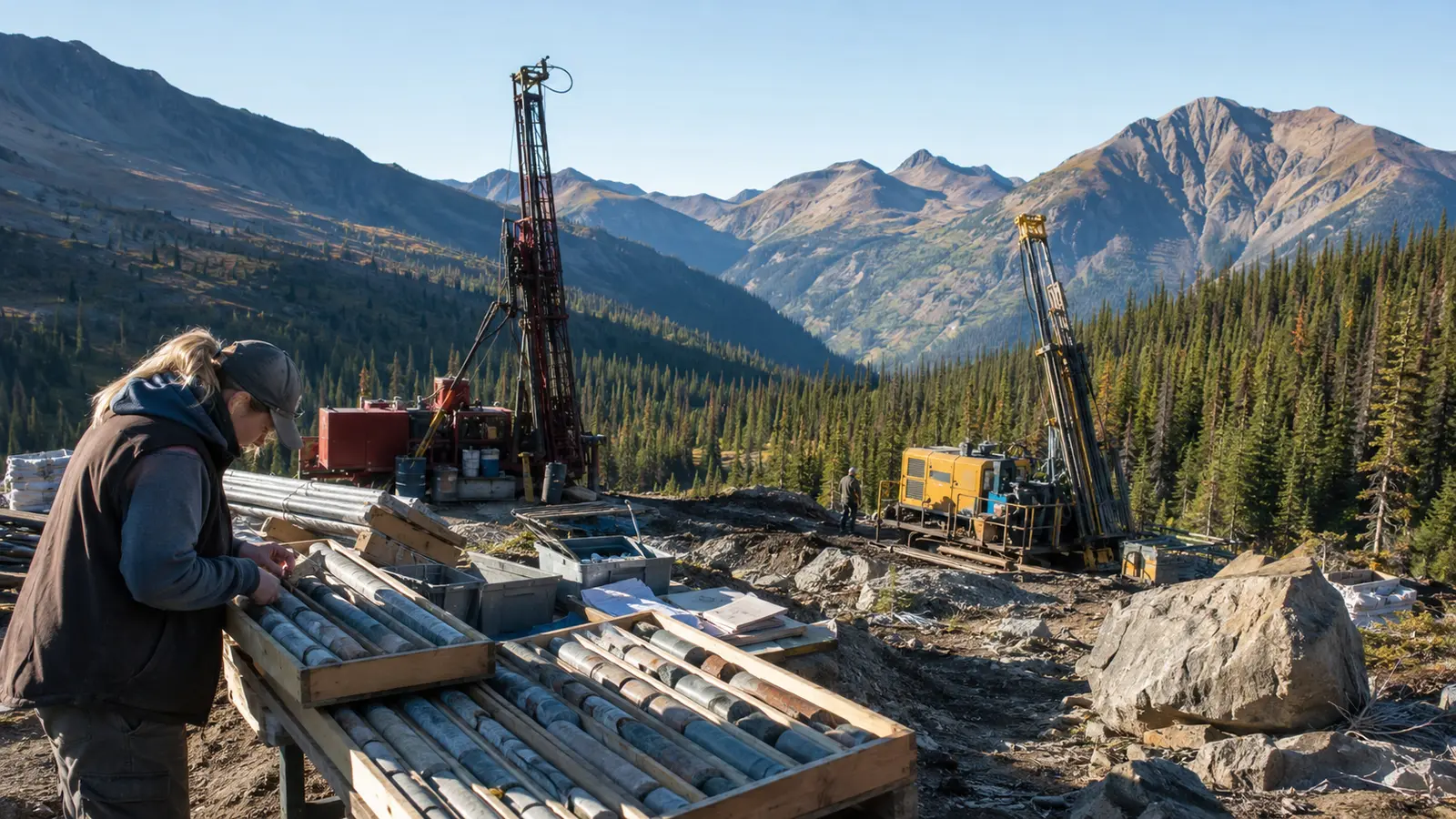
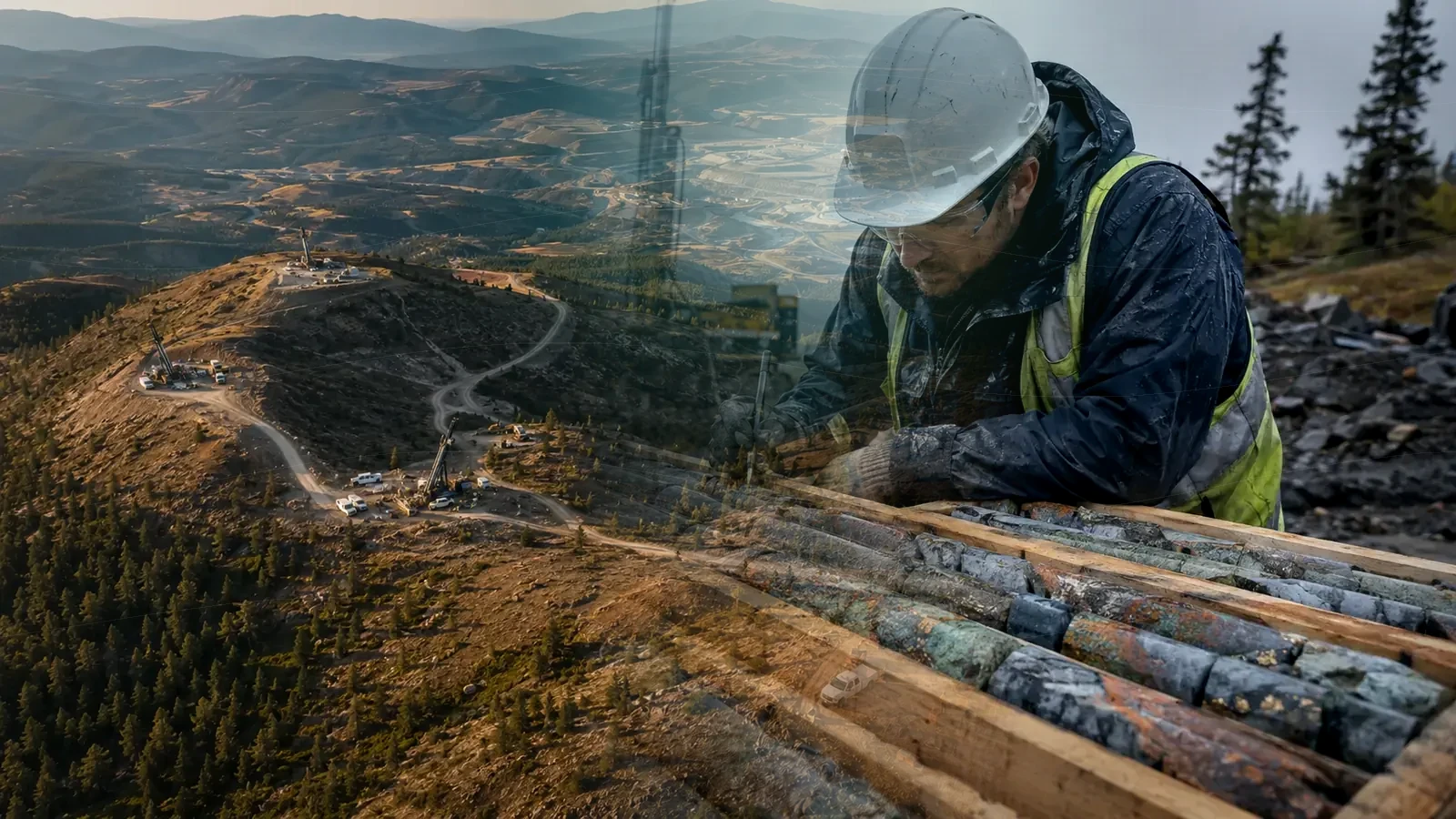
- Finlay Minerals expanded its 2026 drill program at the PIL Property in north-central British Columbia from 2,800 metres to 4,400 metres. The additional 1,600 metres are being funded by Freeport-McMoRan Mineral Properties Canada under the companies’ PIL earn-in agreement.
- More than 2,700 metres had already been drilled at the Gold and Reef targets when the expansion was announced. Three holes totaling approximately 2,300 metres were complete and a fourth hole was nearing completion at Reef. Drill core from the first two holes had reached the laboratory, with assays expected after the company completes its quality-control review.
The development
Finlay Minerals expanded its 2026 drill program at the PIL Property in north-central British Columbia from 2,800 metres to 4,400 metres. The additional 1,600 metres are being funded by Freeport-McMoRan Mineral Properties Canada under the companies’ PIL earn-in agreement.
More than 2,700 metres had already been drilled at the Gold and Reef targets when the expansion was announced. Three holes totaling approximately 2,300 metres were complete and a fourth hole was nearing completion at Reef. Drill core from the first two holes had reached the laboratory, with assays expected after the company completes its quality-control review.
At the Gold target, drilling is testing a roughly 900-by-1,400-metre chargeability-high and resistivity-low anomaly associated with a larger copper-gold-molybdenum-selenium-bismuth soil signature. At Reef, the program is testing a roughly 2,000-by-1,200-metre geophysical anomaly north-northeast of the AuRORA copper-gold-silver porphyry discovery on the neighboring JOY Project.
Surface work is continuing across the PIL property, including IP surveys, soil sampling, rock sampling and talus-fine sampling. Finlay also reported progress at its ATTY Property, where Freeport is funding work under a separate earn-in agreement. Both agreements are in the second year of six-year terms.
Why this matters
An expanded drill budget before initial assays are released indicates that the partner is willing to increase field spending based on the current exploration program and target framework. It does not guarantee a discovery, but it provides Finlay with more drilling capacity without requiring the company to fund the incremental metres directly.
The earn-in structure is strategically important because large porphyry systems can require extensive drilling. Freeport can earn an 80% interest in the PIL and ATTY properties by meeting cash-payment and exploration-spending commitments, giving Finlay access to a major mining partner while retaining exposure to discovery success.
Industry and company context
PIL and ATTY are located in British Columbia’s Toodoggone district near the JOY Project and Centerra Gold’s Kemess complex. The district-scale setting has attracted significant exploration spending because multiple porphyry and epithermal systems occur within the region.
Geophysical and geochemical anomalies are exploration tools rather than resources. Their value depends on whether drilling intersects mineralization with sufficient grade, width, continuity and alteration characteristics to support a coherent geological model.
How to evaluate the update
The first assays from the Gold and Reef targets will be the key near-term evidence. Investors should compare the drill results with the geophysical targets and look for mineralization that explains the scale and geometry of the anomalies.
The additional 1,600 metres should also be evaluated by where it is allocated. Step-outs from encouraging early holes would signal a different exploration thesis than broad first-pass testing of several independent targets.
Execution and risk considerations
The program is still exploration-stage and no economic mineral resource has been defined at the targets being drilled. Large anomalies can be caused by geology that does not contain economically meaningful mineralization.
Earn-in funding reduces Finlay’s direct exploration burden but also means future ownership can be diluted if Freeport completes the expenditure and payment requirements. The value to Finlay depends on the quality of discoveries relative to the interest ultimately retained.
What to watch next
- Initial assays from the first Gold and Reef drill holes.
- How the additional 1,600 metres are allocated after early drill results.
- Completion of the 2026 ATTY geophysics and any new targets generated for follow-up work.
Cornerstone perspective
The program increase gives Finlay more drilling leverage at a time when the most important technical evidence is still pending. Partner-funded expansion is useful, but the assays will determine whether the larger program is simply broader exploration or the beginning of a focused discovery follow-up.
The next few releases should make the target quality much easier to judge. Drill geology, assays and the placement of the added metres will provide a clearer read on whether Freeport and Finlay are narrowing in on a meaningful porphyry system.
This article is informational and is not investment advice or a recommendation to buy or sell securities. Forward-looking statements involve risks and uncertainty. Readers should review the original source and report factual concerns through our corrections page.