Source-linked company news and Cornerstone analysis. Sources checked September 10, 2026.
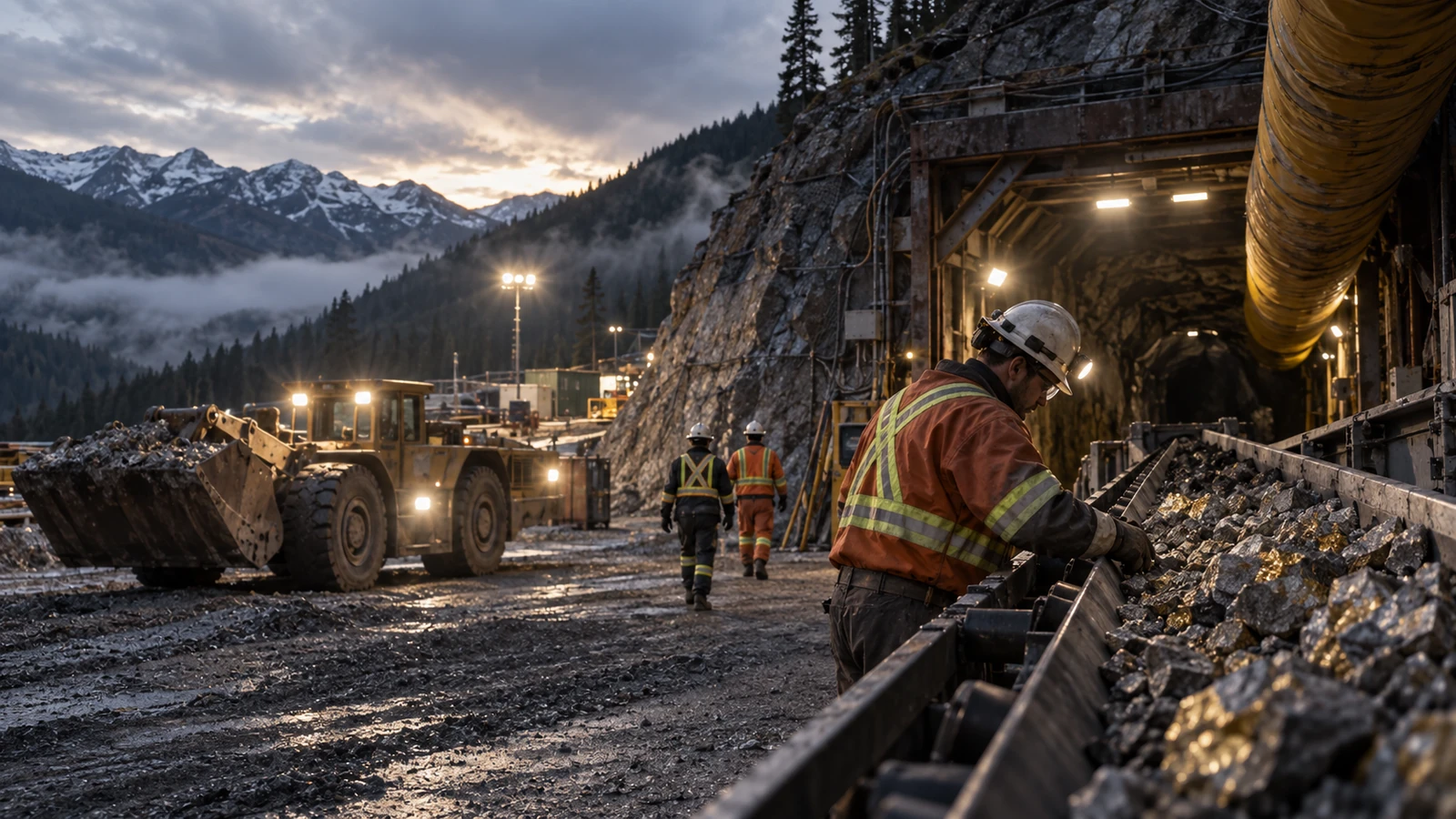
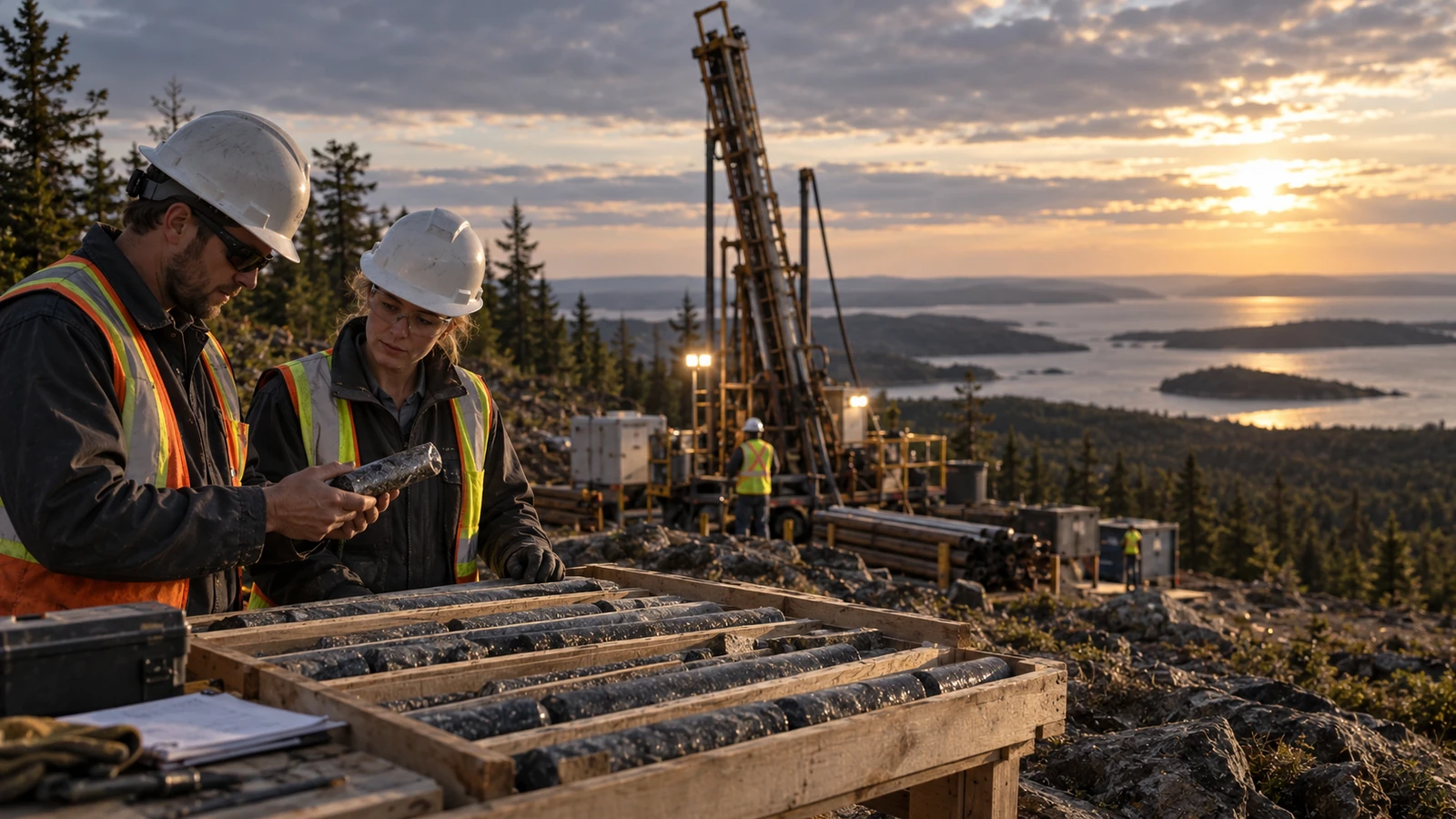
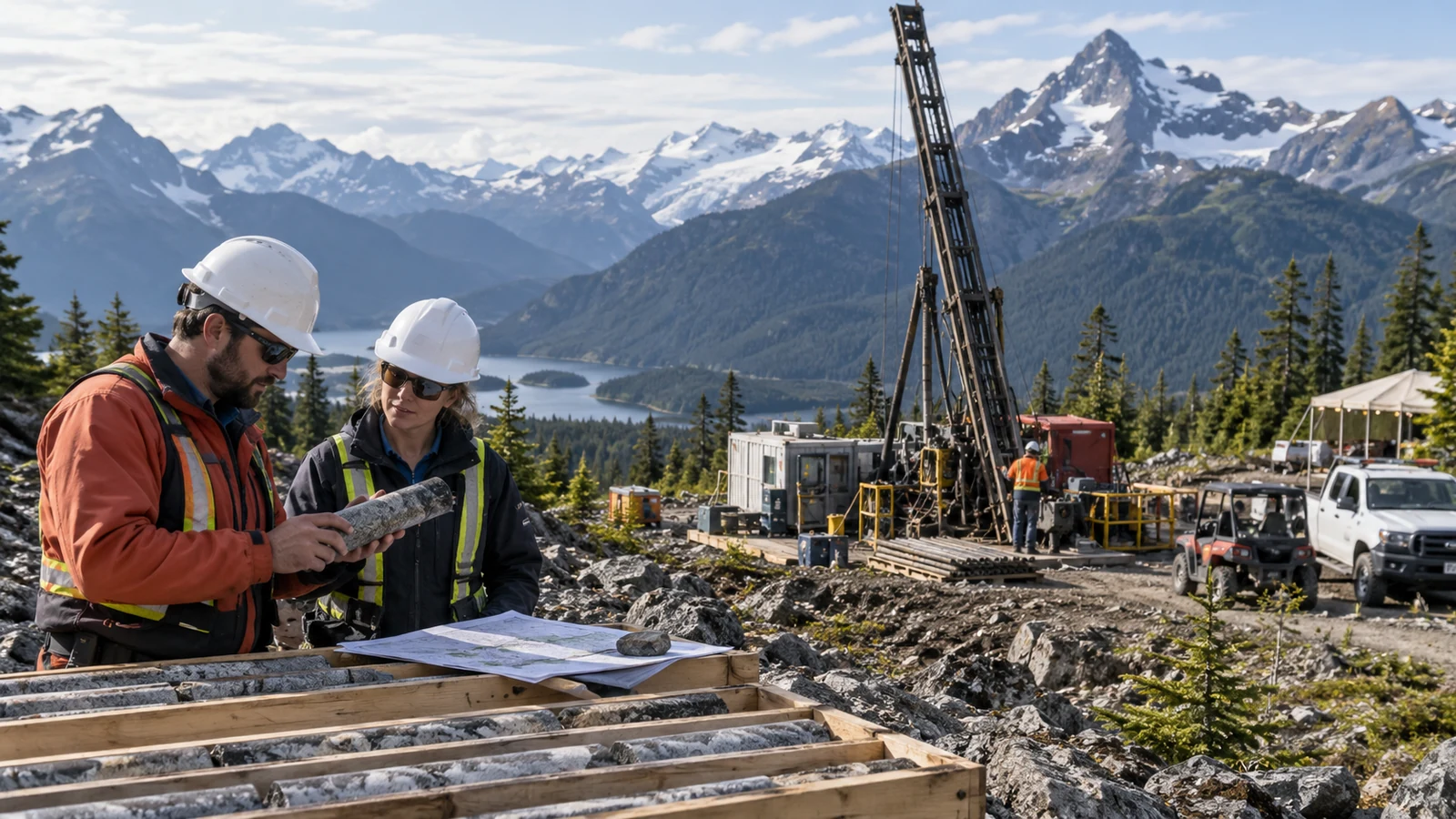
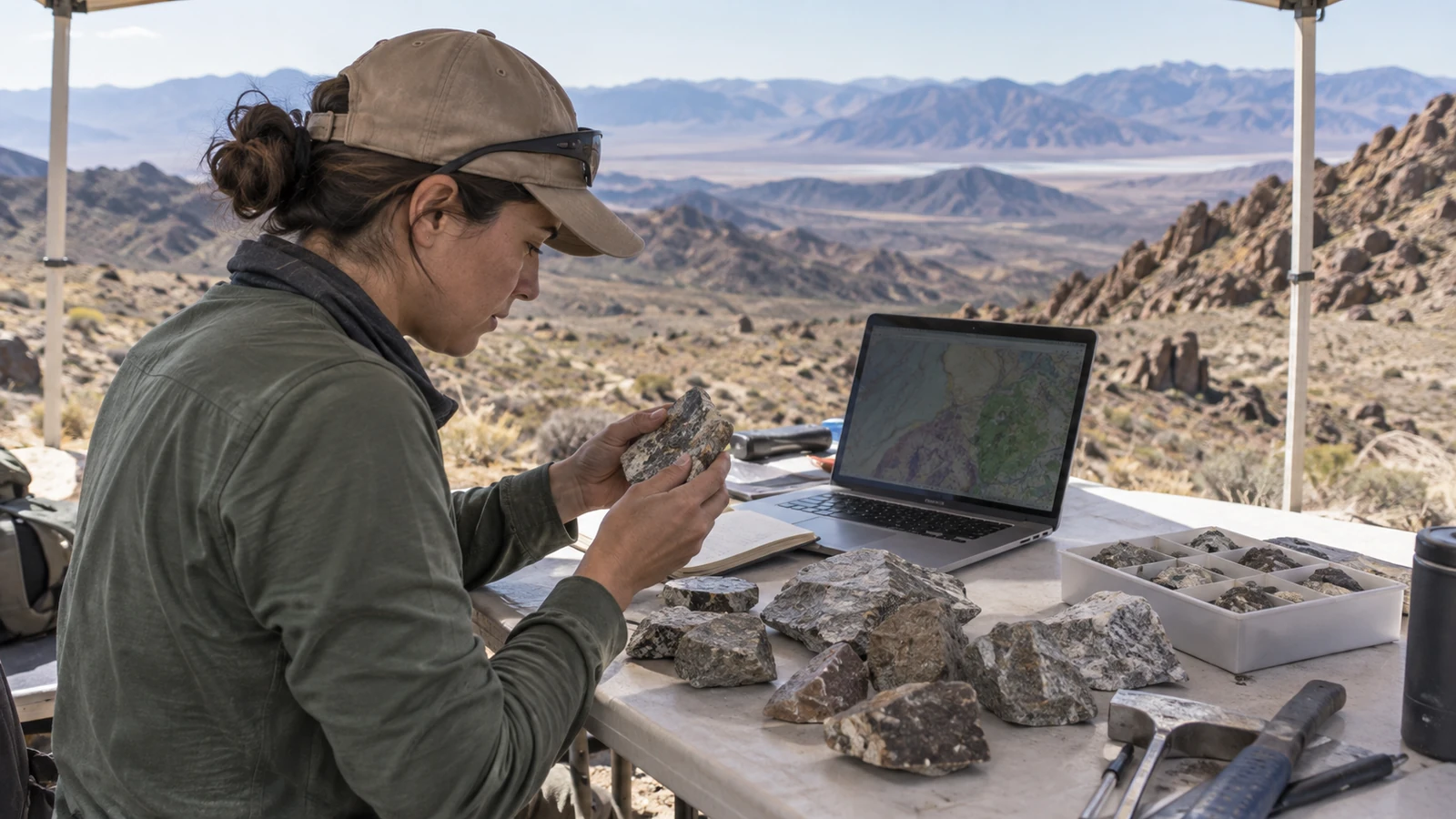
Conceptual editorial illustration; not a photograph of company assets, personnel or the announced event.
- The work focuses on data integration and geological evaluation.
- Fieldwork and drilling remain the tests of target quality.
A practical application for exploration AI
Headwater Gold (CSE: HWG; OTCQX: HWAUF) announced on September 10 that Geomorphic AI will assist with geological data compilation, integration and project evaluation. The work brings historical drilling, geochemistry, mapping and geophysics into usable databases alongside more recent information.
The engagement also covers technical reviews, target ranking and evaluation of new opportunities. Management’s stated aim is to free geologists from time-consuming compilation so they can concentrate on interpretation. It is an investment in the exploration process, not an announcement of a new mineral discovery.
Sources: [1]
Why organizing old information can matter
Cornerstone analysisCornerstone’s interpretation is that the immediate benefit could come from making existing evidence easier to compare. A historical map, a drill log and a geophysical survey may each contain useful information, but their value is harder to assess when locations, units or file formats do not align.
A common database can help a technical team see where observations reinforce one another and where gaps remain. The quality of that process depends on preserving the source of each observation and checking the underlying data. An algorithm can help organize evidence; the geological interpretation still needs to survive field verification and drilling.
A portfolio designed to work with partners
Headwater’s portfolio combines self-funded projects with earn-in relationships involving Newmont, OceanaGold and Centerra. A recent example is the August 13 Jupiter agreement in Nevada. Newmont may earn up to 75% through staged exploration spending totalling US$30 million and specified technical milestones, including a pre-feasibility study. The firm minimum exploration commitment is US$2.5 million over the first 24 months.
The Jupiter release describes an approximately five-by-eight-kilometre alteration footprint and a history of fragmented exploration. Those characteristics help explain why consistent data compilation can be useful to a project generator assessing several opportunities. The larger earn-in amounts are conditional stages, rather than money already spent or unconditionally committed today.
The next evidence to look for
Cornerstone analysisThe engagement becomes more informative when it produces specific outputs: a revised geological model, a ranked set of targets, a clearer reason to drill one area before another, or an explanation of why a previous interpretation changed. Those outcomes connect a technology announcement to exploration decisions that readers can follow.
Useful future updates would also show how new field observations compare with the predictions made from the compiled data. That feedback is what can turn a one-time database exercise into a repeatable exploration method.
For Headwater, the news introduces additional technical capacity to an established project-generation approach. The opportunity is better use of information already available, followed by more focused testing. Its ultimate value will be measured by the quality of decisions and geological results that follow.
Sources and further reading
This report summarizes public company disclosures and includes Cornerstone’s analysis. It is informational and is not investment advice or a recommendation to buy or sell securities. Company plans and expectations remain subject to execution and uncertainty.