
A detailed review of the business, leadership and publicly reported progress. Sources checked September 8, 2026.
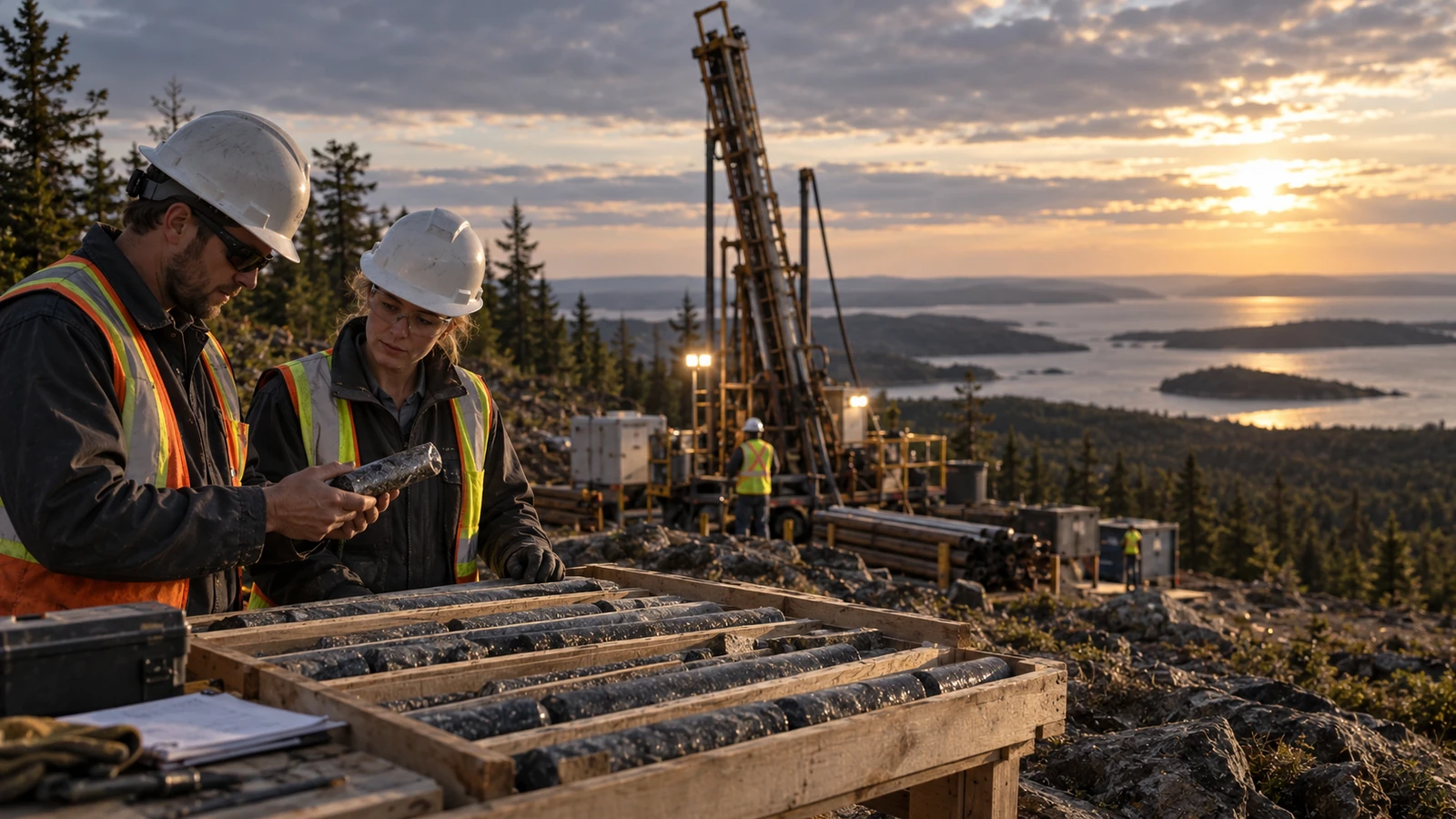
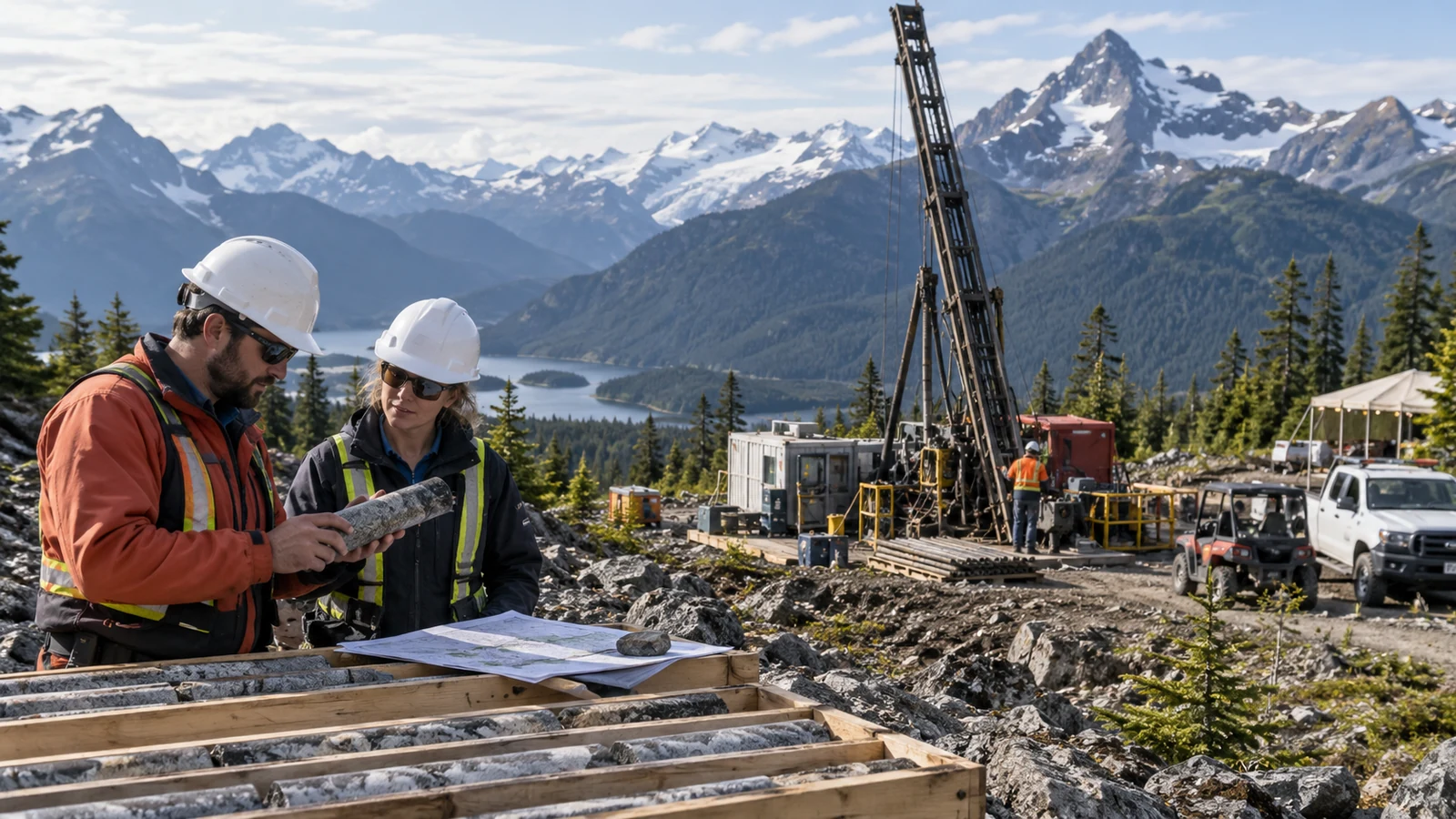
Conceptual editorial illustration; not a photograph of company assets or personnel.
- Nanisivik sampling is testing silver, base-metal and critical-mineral questions.
- Yava mapping and samples support target generation ahead of potential follow-up.
- The completed Prairie Creek acquisition adds a separate development focus to the portfolio.
A silver company with more than one kind of opportunity
Honey Badger Silver is assembling a Canadian portfolio that combines exploration opportunities with a more advanced project focus at Prairie Creek, also described as the PC Silver Mine. That mix gives the company several ways to move its work forward. Early-stage field programs can generate targets, while an established project can support a more detailed discussion about development planning and the work needed before production.
The useful distinction is between the stages of those assets. A historic mine, a development project and a new exploration target do not provide the same evidence or follow the same timetable. Our reading is that Honey Badger is most interesting when each project is assessed on its own merits and then placed within the wider portfolio. The positive opportunity is to allocate attention to work that can make a material difference, whether that means confirming a geological idea or advancing a specific development requirement.
Sources: [4]
Nanisivik: asking new questions of a known mineral district
The September 4 update described a 2026 field program at the company’s wholly owned Nanisivik project near Arctic Bay on Baffin Island. APEX Geoscience carried out sampling of pyrite, sphalerite and galena-bearing material for independent laboratory analysis. The work is examining silver and base-metal mineralization alongside the potential relevance of sulfur and germanium.
The distinction between mineral presence and an economic resource is essential here. The new samples are intended to test composition and guide follow-up; they do not establish a commercial deposit. Our interpretation is that the attractive part of the program is its focused question. A district known for historic mining may contain information that was not central to earlier operators’ priorities. Applying modern multi-element analysis can help identify whether there is a credible reason to investigate further. The next useful evidence will be the analytical results and the technical interpretation that accompanies them.
Sources: [1]
Yava adds a second active stream of field information
The August Yava update described mapping and systematic sampling around the Main Zone, historic occurrences and untested regional electromagnetic targets. The company said the program was led in the field by APEX Geoscience, with logistical support from B2Gold’s nearby Goose Mine and airstrip. Samples were moved to Yellowknife under chain-of-custody procedures for independent analysis.
That sequence illustrates the work required before selecting a drill target. A historical occurrence can provide a starting point, but modern mapping and analytical work help determine how it relates to the surrounding geology. Electromagnetic targets add another line of investigation rather than a direct measurement of metal grade. The constructive outcome of the field season would be a better-ranked set of follow-up opportunities. For readers, the most informative update will connect the laboratory findings to locations, geological observations and a clear explanation of why a particular target deserves additional work.
Sources: [2]
Prairie Creek gives the portfolio a different development dimension
Honey Badger announced in April that it had closed the acquisition of Canadian Zinc Corporation, the owner of the Prairie Creek project in the Northwest Territories. That completed transaction added an advanced silver-zinc-lead project to a portfolio otherwise containing several exploration opportunities. Subsequent corporate announcements identified site work and project priorities as the focus of the next stage.
Our analysis is that the significance lies in the change in the company’s range of activities. Ownership of a more advanced project can create a different set of decisions around studies, infrastructure, engineering and funding. It does not mean that construction or commercial production is complete. Readers should therefore separate the completed acquisition from the development work still to come. Prairie Creek gives Honey Badger a substantial focal point for that work, while the exploration portfolio can continue to produce new information on a separate schedule.
Sources: [3]
Leadership has to turn a broad portfolio into clear priorities
Chad Williams leads the company as executive chairman and interim chief executive. The corporate team also includes technical, operating, financial and governance professionals, reflecting the different responsibilities involved in managing Canadian mineral assets. The task is broader than selecting promising ground: it includes planning programs, coordinating contractors, reviewing technical information and choosing where to commit resources.
For a portfolio company, the quality of those choices matters as much as the number of properties. Several active projects can create optionality, but useful progress comes from a clear objective at each one. Our reading is that investors should be able to answer a simple question after every update: what did the work establish, and what decision does it support next? A management team that consistently connects spending to a specific technical or development question makes the overall company easier to understand and the results easier to evaluate.
A productive field season can make the next decisions better
The Nanisivik and Yava campaigns are valuable because they create new material for technical interpretation. Their eventual importance will depend on what the results show and how the company uses that information. A well-designed follow-up program should connect sample results, geological setting and practical access rather than rely on a single attractive specimen or a historic headline.
Our perspective is that Honey Badger’s strongest current story is the combination of fresh fieldwork and a distinct development asset. The exploration programs can sharpen the pipeline of opportunities, while Prairie Creek provides a separate focus for more advanced planning. The next milestones are therefore concrete: laboratory results, a reasoned ranking of follow-up targets and clearer development priorities. Those are the steps that can turn a broad Canadian silver portfolio into an increasingly well-defined operating plan. The work already completed gives readers useful places to begin, and the next releases should show how management intends to build on them.
Sources and further reading
This company feature focuses on publicly reported business developments and includes Cornerstone’s analysis. It is informational and is not investment advice or a recommendation to buy or sell securities. Forward-looking statements remain subject to execution and uncertainty. Review the linked sources and report factual concerns through our corrections page.