
Source-linked company news and Cornerstone analysis. Sources checked September 10, 2026.
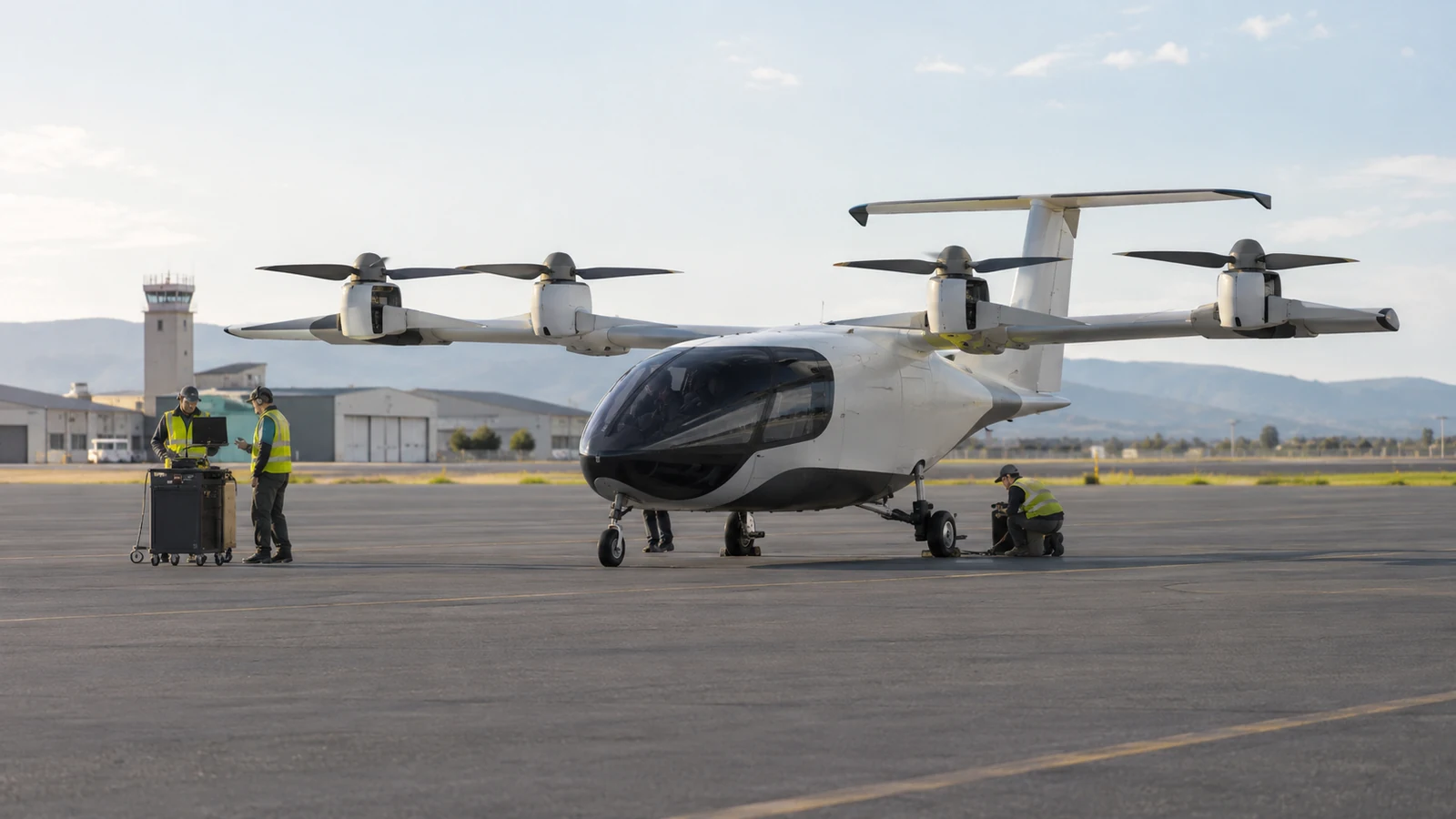
Conceptual editorial illustration; not a photograph of company assets, personnel or the announced event.
- The J208 autonomy tour uses a converted Cessna Caravan.
- The Texas electric air-taxi campaign is a separate aircraft program.
Autonomous logistics heads across the country
Joby Aviation (NYSE: JOBY) announced a month-long U.S. demonstration tour for J208, a Cessna Caravan equipped with its autonomous flight system. The September 10 release positions the tour around potential freight, emergency-response and defence-logistics applications.
Joby reported more than 400 flights and 800 automated flight hours for the platform. Its supervised-autonomy model uses a remote pilot in command, with an onboard monitoring pilot for selected operations. This is a demonstration of autonomy on a conventional airframe, separate from Joby’s electric vertical-takeoff aircraft.
Sources: [1]
Texas puts the electric aircraft into an operating setting
In a separate September 10 release, Joby described a week-long electric air-taxi flight campaign in the Dallas–Fort Worth region under the eVTOL Integration Pilot Program. Planned routes connect Alliance Airport, DFW Airport and other locations. A newly leased 45,000-square-foot Alliance facility supports its regional presence.
The campaign is intended to generate operational information for airspace integration. Joby said it remained in the fifth stage of FAA type certification. The demonstrations therefore should not be read as confirmation of completed certification or the start of unrestricted commercial passenger service.
Sources: [2]
Why the operating environment matters
Cornerstone analysisCornerstone’s reading is that the common theme is practical integration. A promising aircraft or software system still has to fit into the routines of airports, controllers and operators. Demonstrations can expose questions about coordination, turnaround, supervision and route planning that are difficult to answer through a technical specification alone.
The two programs address different uses. Cargo autonomy examines how a supervised aircraft can perform logistics tasks. Electric air-taxi testing examines how a new aircraft type could serve shorter passenger routes. Keeping those distinctions clear makes it easier to understand which milestone belongs to which commercial opportunity.
A successful tour can produce operating experience and potential customer engagement. It does not automatically establish an ongoing service business. Repeatability, approved operating conditions and a workable customer offering remain the bridge between a demonstration and routine operations.
Following progress from flights to services
Cornerstone analysisThe useful next checkpoints are the results of the campaigns, the operating lessons the company chooses to disclose and the regulatory progress relevant to each platform. Readers can look for evidence that flights are supporting a defined service plan, with clear roles for the aircraft, its operator and the customer.
Business development will also matter. A logistics operator evaluates reliability and delivery capability, while a passenger-service partner must consider routes, facilities and the customer experience. Neither question is answered solely by flight hours, although a growing operating record can support those conversations.
Together, the announcements put more of Joby’s technology into real operating environments. They provide identifiable activities to follow while preserving a clear separation between technical demonstration, regulatory approval and commercial rollout.
Sources and further reading
This report summarizes public company disclosures and includes Cornerstone’s analysis. It is informational and is not investment advice or a recommendation to buy or sell securities. Company plans and expectations remain subject to execution and uncertainty.