This article was selected without issuer payment or pre-publication approval and prepared under Cornerstone Market Intelligence editorial standards. The source material used is linked on this page.
- Locksley summarized maiden Mojave drilling that returned high-grade antimony at the Desert Antimony Mine and 7.20 metres at 2.93% TREO at El Campo, ending June with A$14.9 million cash.
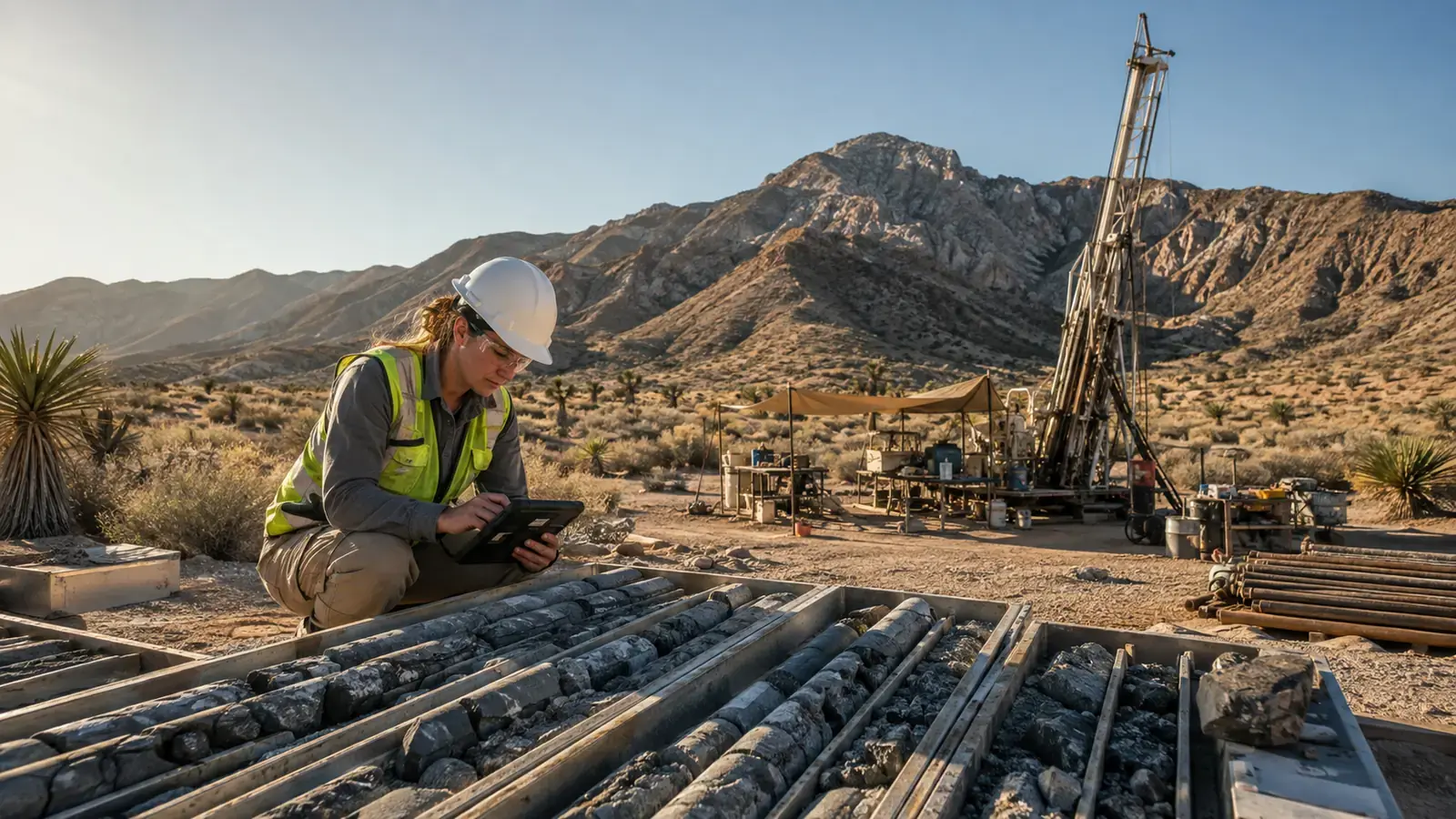
- Locksley Resources' June-quarter report summarized maiden diamond drilling at the Desert Antimony Mine and the El Campo rare-earth prospect within its Mojave Project in California.
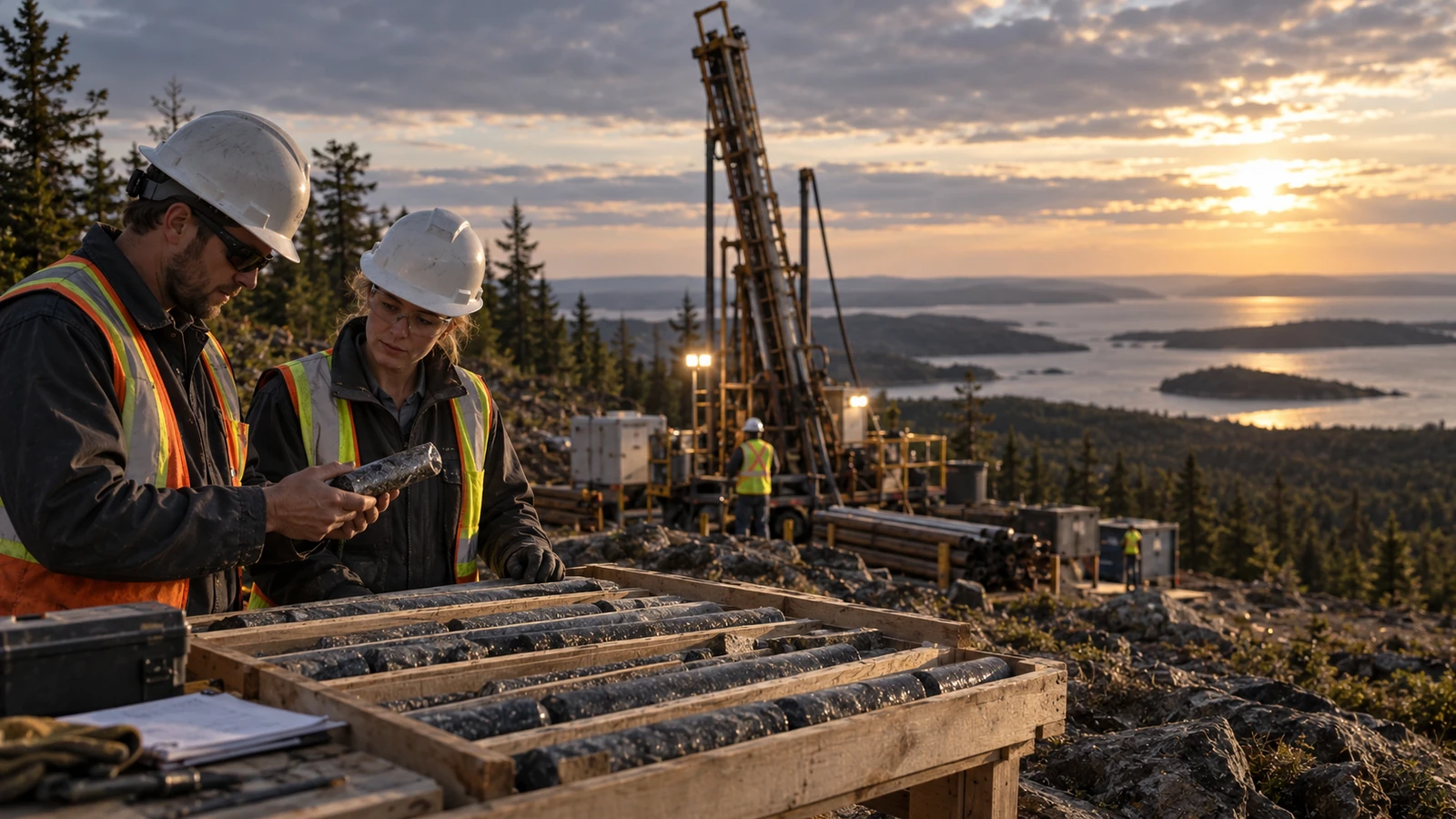
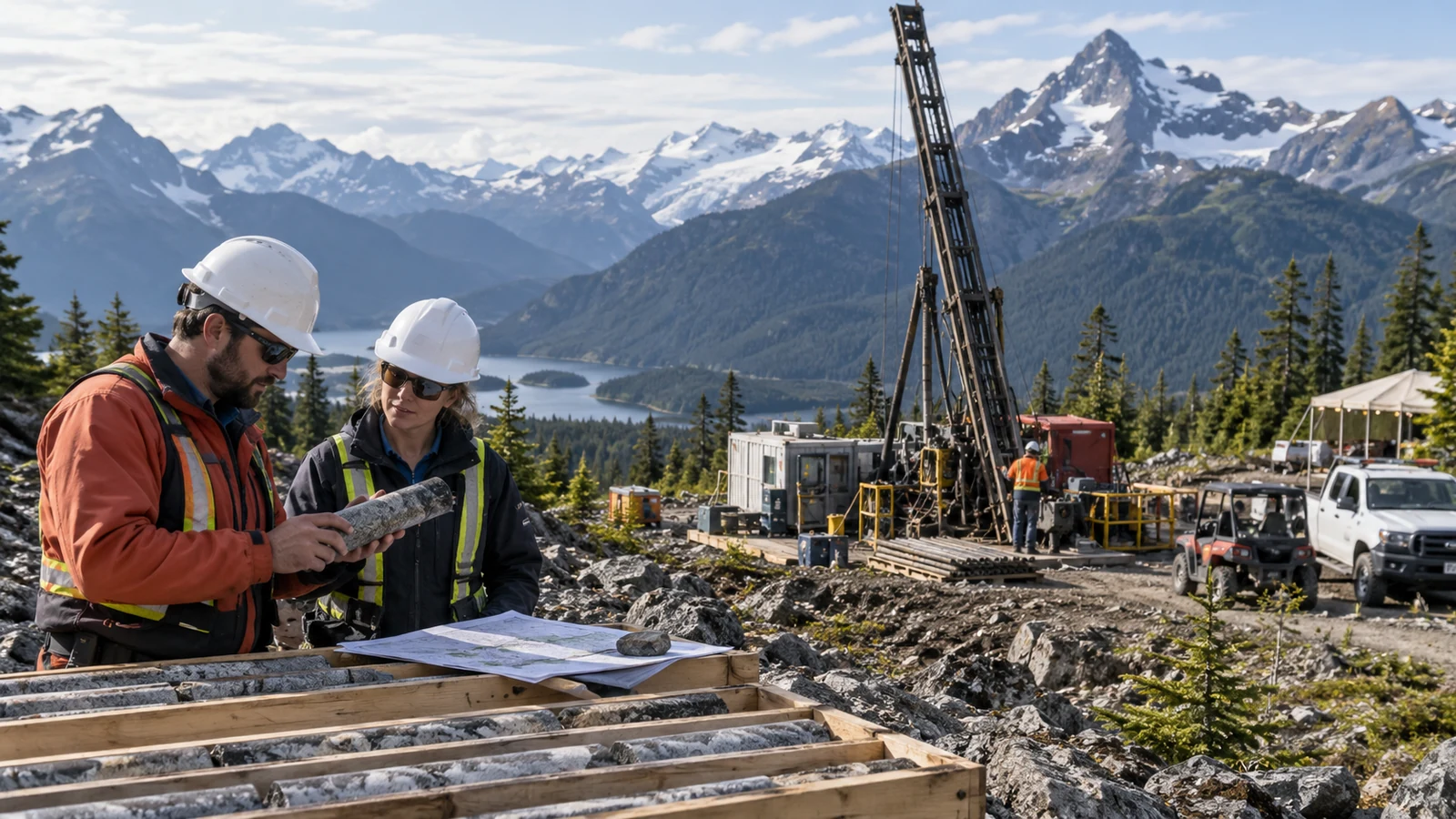
- The Desert Antimony Mine program comprised eight diamond holes totalling 1,065 metres. Reported intersections included 4.0 metres at 4.87% antimony, 2.0 metres at 2.69%, 1.4 metres at 5.62% and a 0.4-metre interval grading 33.51% antimony.
The development
Locksley Resources' June-quarter report summarized maiden diamond drilling at the Desert Antimony Mine and the El Campo rare-earth prospect within its Mojave Project in California.
The Desert Antimony Mine program comprised eight diamond holes totalling 1,065 metres. Reported intersections included 4.0 metres at 4.87% antimony, 2.0 metres at 2.69%, 1.4 metres at 5.62% and a 0.4-metre interval grading 33.51% antimony.
At El Campo, hole ECDD0002 returned 7.20 metres at 2.93% total rare-earth oxides, including 3.75 metres at 4.45% TREO and a peak 0.7-metre interval at 6.03% TREO. The company said the interpreted corridor extends about 1.1 kilometres and remains open.
Locksley also executed an option to acquire the Iron Duke copper-gold project in New South Wales and reported A$14.9 million cash at June 30. The drill results remain exploration data and do not yet constitute a mineral resource or economic study.
Why this matters
This development gives Locksley Resources Ltd. a new milestone within its focus on u.S. antimony and rare-earth exploration in California’s Mojave district. Its importance rests on whether it improves execution visibility, advances a defined program or strengthens the foundation for the company’s next phase.
Technical results matter most when they improve the geological or development model. Location, continuity, true width, sampling quality, metallurgy and the relationship to earlier work all influence how the reported result should be interpreted.
Exploration success is not the same as an economic project. Resource definition, engineering, permitting, infrastructure, financing and construction remain separate stages, each with its own evidence requirements and execution risks.
Industry and company context
For $LKY, the next comparison point will be the evidence that follows. Consistency between this announcement, future results and the company’s stated timetable will matter more than the initial headline in isolation.
Mining and critical-mineral projects advance through geological work, resource definition, engineering, permitting, financing and construction. Progress at one stage can improve confidence without removing the risks that remain at later stages.
Commodity prices and supply-chain policy can strengthen strategic relevance, while project quality still depends on grade, scale, metallurgy, infrastructure, jurisdiction, capital intensity and disciplined execution.
How to evaluate the update
Technical results should be read with maps, sections, sampling methods and quality-control disclosure. Intervals or grades become more meaningful when they can be placed within the geometry, continuity and scale of the mineralized system.
The next decision is whether the work changes project priorities. Follow-up drilling, metallurgy, modelling and resource work should be designed to answer specific geological or development questions rather than simply produce additional isolated results.
Execution and risk considerations
Project outcomes remain sensitive to geology, metallurgy, commodity prices, permitting, infrastructure, community relationships, capital costs and access to financing. Strong results at one stage do not remove uncertainty from the stages that follow.
Technical and economic assumptions may change as more work is completed. Readers should rely on qualified technical disclosure and distinguish exploration potential from a mineral resource, reserve or production decision.
What to watch next
- Follow-up results and whether they confirm continuity beyond the reported interval.
- Updated maps, sections, technical interpretation and quality-control disclosure.
- Changes to program size, budget, metallurgy, permitting or resource timing.
- Funding available to complete the next technical phase.
Cornerstone perspective
Seen against Locksley Resources Ltd.’s broader strategy, this is best understood as a technical milestone rather than a standalone headline. The announcement establishes the reference point; execution will determine how much lasting value it creates.
A technical result matters most when it changes the geological or development model. Continuity, repeatability and the relationship between new work and the larger project will determine whether this milestone supports a stronger development case.
This article is informational and is not investment advice or a recommendation to buy or sell securities. Forward-looking statements involve risks and uncertainty. Readers should review the original source and report factual concerns through our corrections page.