This article was selected without issuer payment or pre-publication approval and prepared under Cornerstone Market Intelligence editorial standards. The source material used is linked on this page.
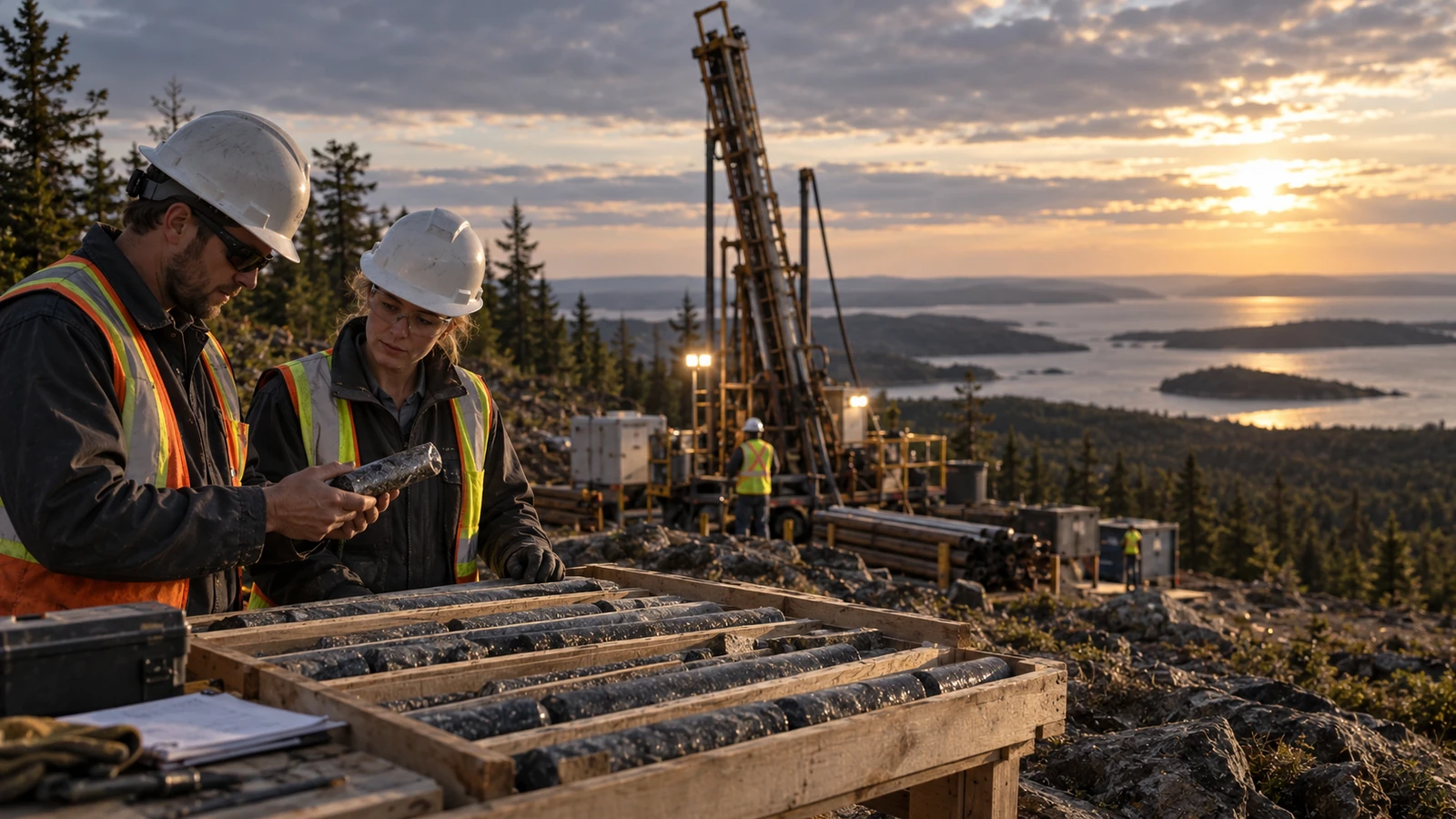
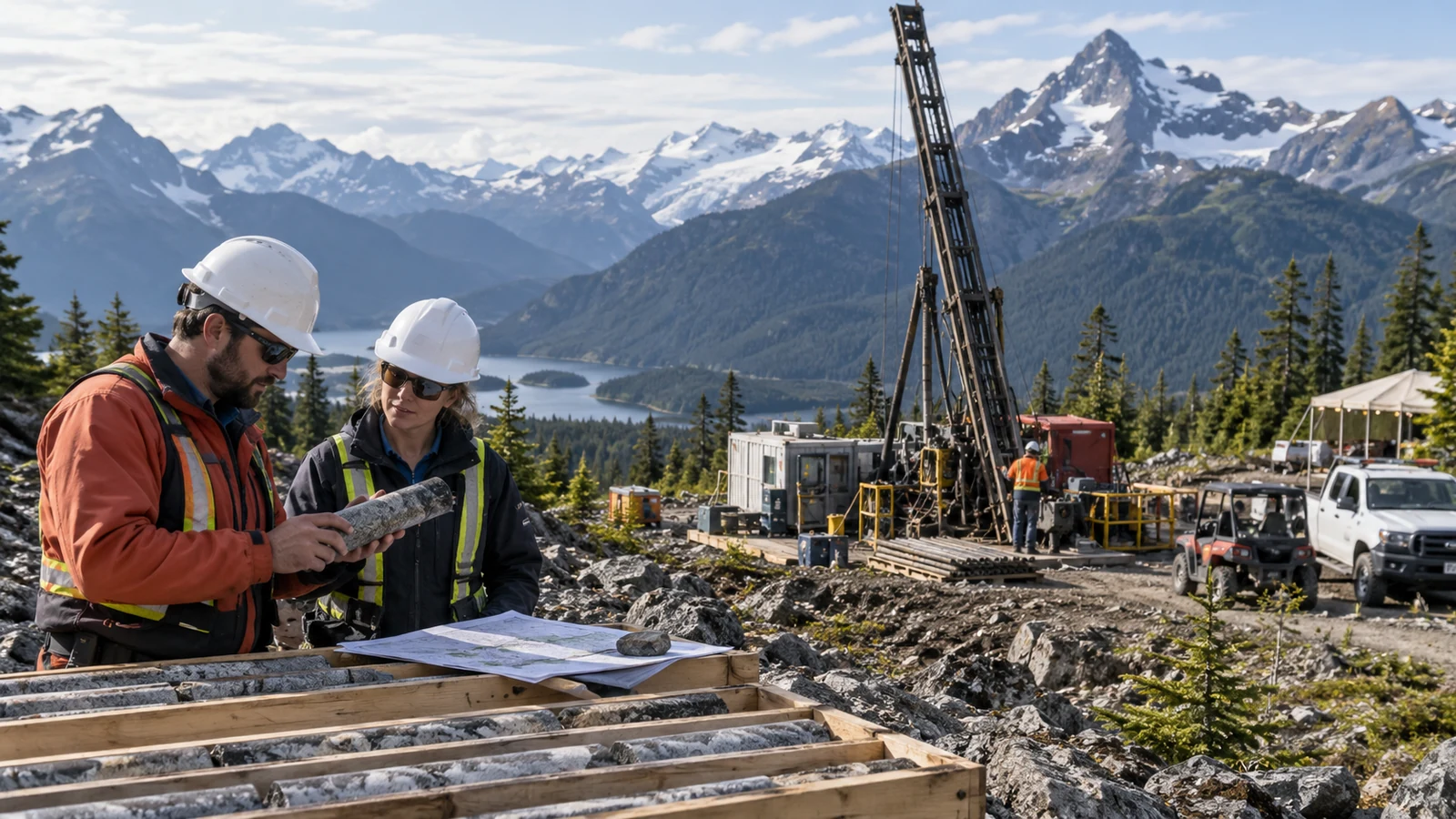
- Metalsource Mining reported visible polymetallic mineralization in hole SH26-27, a 65-metre south step-out from SH26-19 and the southernmost intercept completed at Silver Hill to date.
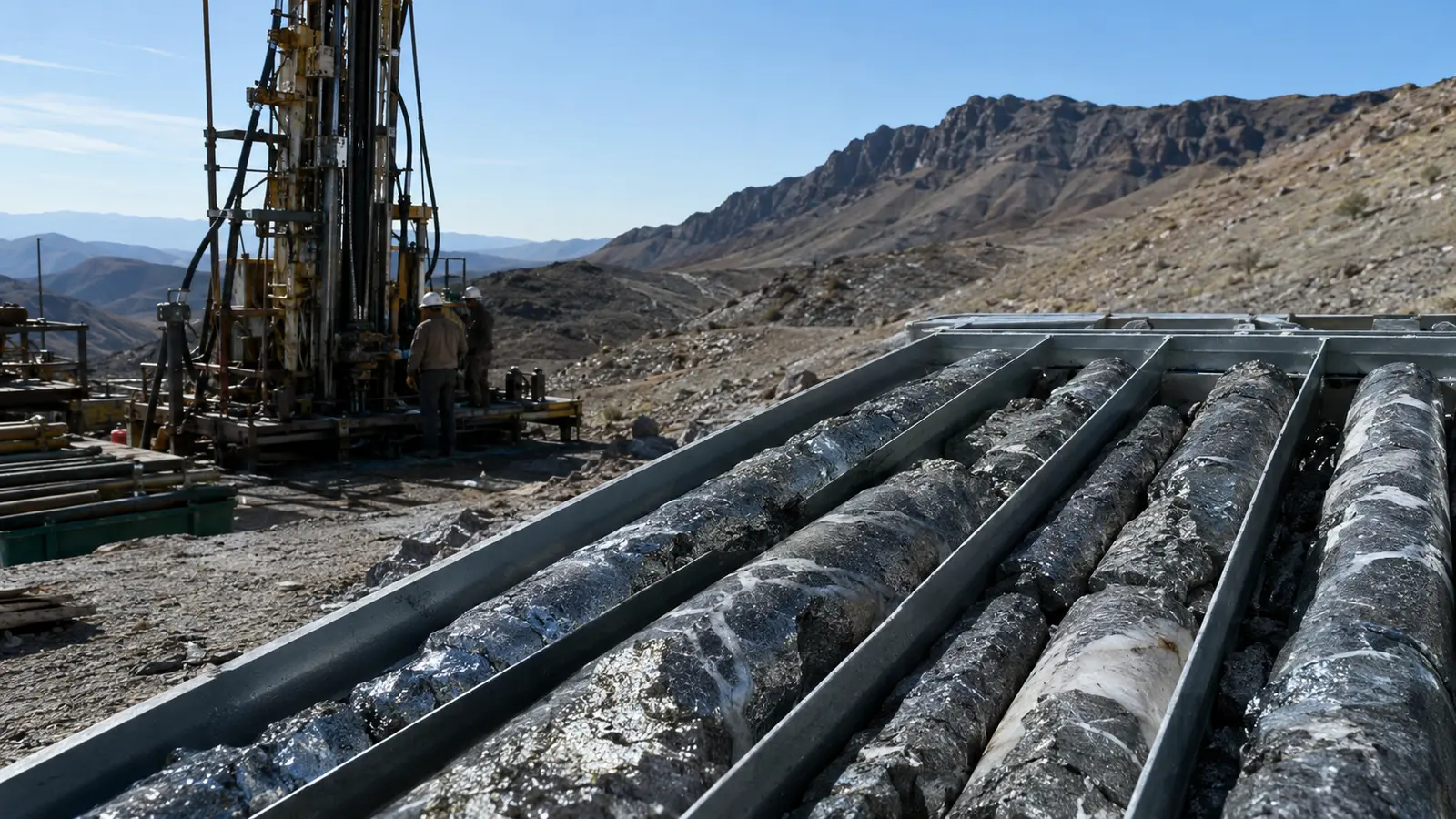
- Hole SH26-27 intersected an approximately 15-metre core interval of visible polymetallic mineralization.
- The interval included about 3.5 metres of semi-massive to massive sulphides and sits roughly 65 metres south of SH26-19.
The development
Hole SH26-27 intersected an approximately 15-metre core interval of visible polymetallic mineralization.
The interval included about 3.5 metres of semi-massive to massive sulphides and sits roughly 65 metres south of SH26-19.
Assays remain pending; the company is adding a second rig and continues to target an inaugural resource estimate in early 2027.
Why this matters
This development gives Metalsource Mining Inc. a new milestone within its focus on polymetallic exploration and resource definition at Silver Hill in North Carolina. Its importance rests on whether it improves execution visibility, advances a defined program or strengthens the foundation for the company’s next phase.
The announcement provides a new reference point for evaluating management’s stated strategy. Its importance will become clearer when the development can be compared with subsequent operating disclosure.
Completed actions, targets, plans and forward-looking statements represent different stages of progress. The strength of the corporate signal depends on how clearly management converts the initiative into measurable execution.
Industry and company context
For $MSM, the next comparison point will be the evidence that follows. Consistency between this announcement, future results and the company’s stated timetable will matter more than the initial headline in isolation.
Mining and critical-mineral projects advance through geological work, resource definition, engineering, permitting, financing and construction. Progress at one stage can improve confidence without removing the risks that remain at later stages.
Commodity prices and supply-chain policy can strengthen strategic relevance, while project quality still depends on grade, scale, metallurgy, infrastructure, jurisdiction, capital intensity and disciplined execution.
How to evaluate the update
The announcement should be separated into completed actions, current conditions and forward-looking intentions. This prevents a plan or target from being interpreted as though it has already been delivered.
The next release or filing should provide evidence that the initiative has moved forward. Clear ownership, timing, capital requirements and measurable outcomes make corporate strategy easier to evaluate.
Execution and risk considerations
Project outcomes remain sensitive to geology, metallurgy, commodity prices, permitting, infrastructure, community relationships, capital costs and access to financing. Strong results at one stage do not remove uncertainty from the stages that follow.
Technical and economic assumptions may change as more work is completed. Readers should rely on qualified technical disclosure and distinguish exploration potential from a mineral resource, reserve or production decision.
What to watch next
- Evidence that the announced initiative is moving into execution.
- Specific operating or financial milestones attached to the update.
- Consistency with prior guidance and complete regulatory filings.
- Capital requirements and any effect on the company’s risk profile.
Cornerstone perspective
Seen against Metalsource Mining Inc.’s broader strategy, this is best understood as a corporate milestone rather than a standalone headline. The announcement establishes the reference point; execution will determine how much lasting value it creates.
Corporate announcements earn their significance through follow-through. The lasting signal will be whether management connects the initiative to a defined timetable, measurable operating results and disciplined capital allocation.
This article is informational and is not investment advice or a recommendation to buy or sell securities. Forward-looking statements involve risks and uncertainty. Readers should review the original source and report factual concerns through our corrections page.