This article was selected without issuer payment or pre-publication approval and prepared under Cornerstone Market Intelligence editorial standards. The source material used is linked on this page.
- Metalsource reported 11.83 metres averaging 245 g/t silver equivalent in step-out hole SH26-18, including narrower intervals at 833 g/t and 1,580 g/t AgEq.
- Metalsource reported additional assays from Silver Hill in North Carolina, led by hole SH26-18 with 11.83 metres grading 245 g/t silver equivalent.
- Within the broader interval, the company reported 1.40 metres at 833 g/t AgEq and 0.64 metres at 1,580 g/t AgEq.
The development
Metalsource reported additional assays from Silver Hill in North Carolina, led by hole SH26-18 with 11.83 metres grading 245 g/t silver equivalent.
Within the broader interval, the company reported 1.40 metres at 833 g/t AgEq and 0.64 metres at 1,580 g/t AgEq.
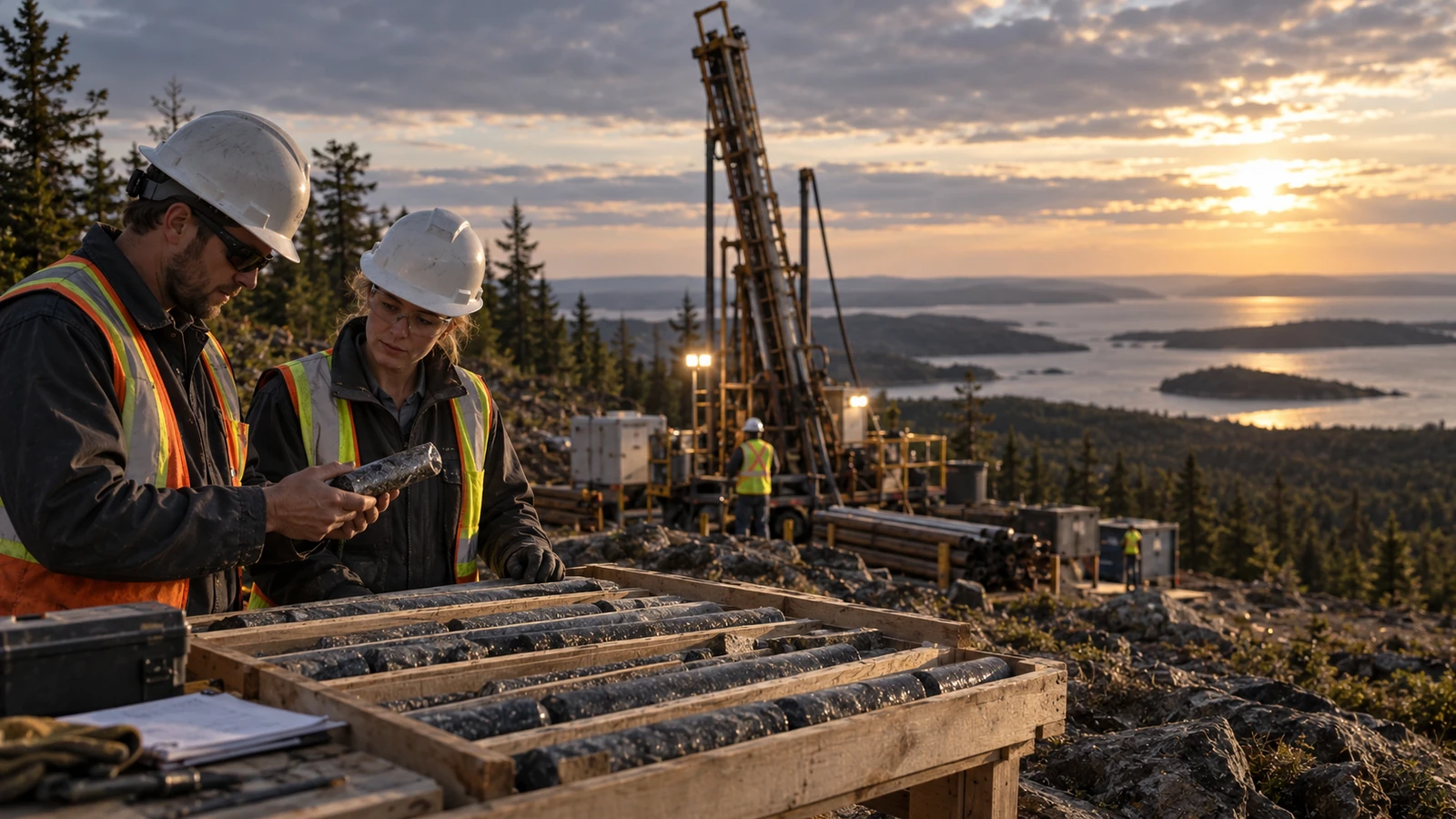
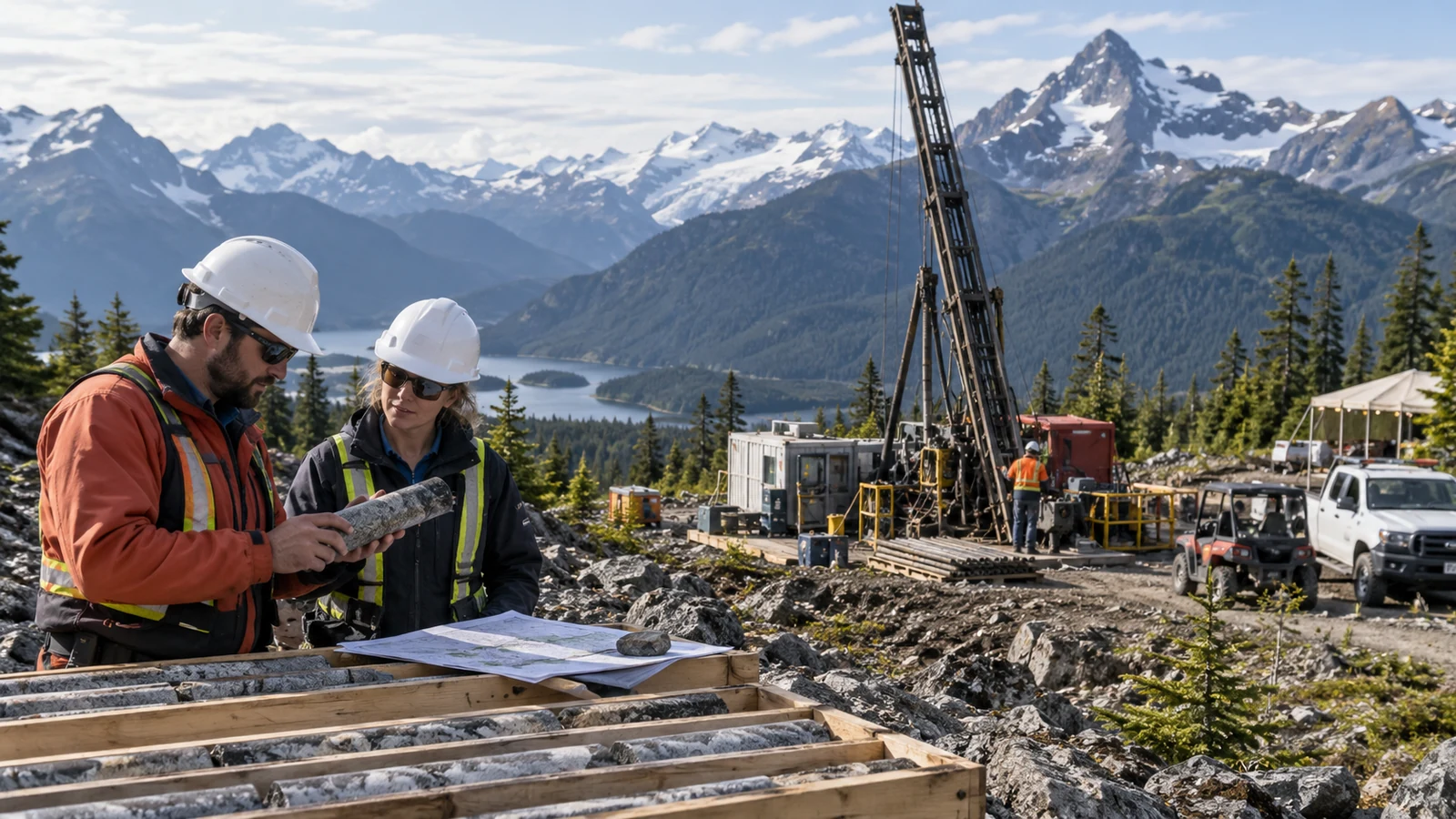
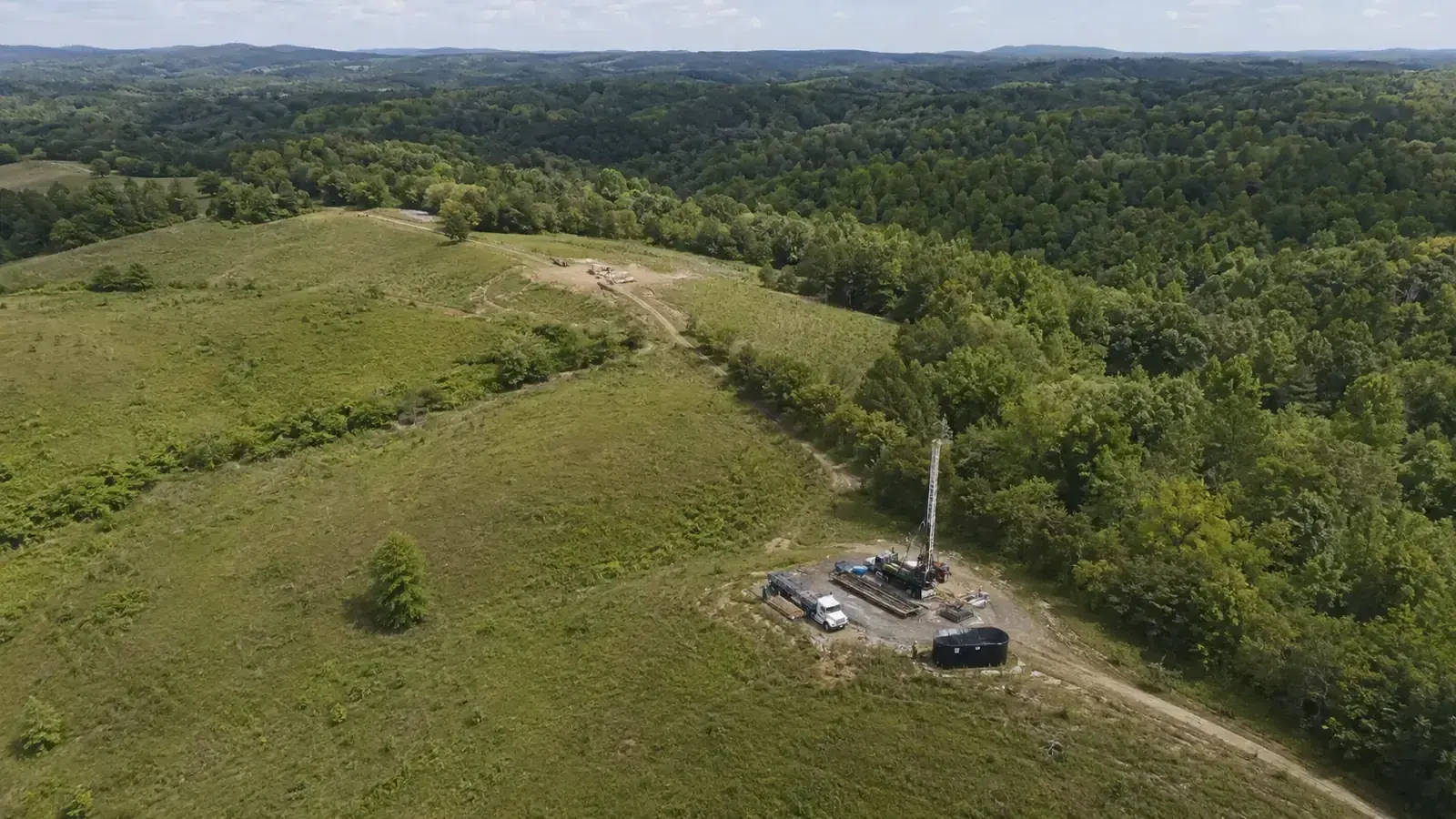
Metalsource said SH26-18 extended mineralization roughly 28 metres south of SH26-08 and was part of systematic step-out drilling around the historic mine area.
The company reports these widths as core lengths; true widths were not established in the source. AgEq values are calculated equivalents and should be read with the company's disclosed metal-price and recovery assumptions.
Why this matters
The step-out result adds another mineralized intercept beyond the immediate historic workings and helps test continuity of the high-grade corridor.
The practical significance depends on follow-through in later filings, technical reports or operating updates rather than the announcement alone.
Industry and company context
Silver Hill remains an exploration-stage project, so individual high-grade intervals must ultimately be integrated into a broader geological model.
This article was added during the August 6, 2026 archive review and preserves the announcement date so the $MSM timeline remains chronological.
How to evaluate the update
The core facts to evaluate are the quantified terms, dates and conditions disclosed in the source. Silver Hill remains an exploration-stage project, so individual high-grade intervals must ultimately be integrated into a broader geological model.
Readers should separate completed actions from targets, proposed transactions, management expectations and other forward-looking statements.
Execution and risk considerations
Core length can differ from true thickness, equivalent grades depend on assumptions and isolated high grades may not be representative of a mineable resource.
Forward-looking statements, estimates and management expectations can change; readers should use later company filings and technical disclosure for current status.
What to watch next
- Additional step-out assays south and down plunge.
- True-width interpretation as structural data improves.
- A future mineral resource estimate and metallurgical recovery data.
Cornerstone perspective
The step-out result adds another mineralized intercept beyond the immediate historic workings and helps test continuity of the high-grade corridor. The most useful evidence now is the next verifiable milestone rather than the headline in isolation.
Cornerstone will treat later source documents as controlling where they supersede the June 24, 2026 disclosure.
This article is informational and is not investment advice or a recommendation to buy or sell securities. Forward-looking statements involve risks and uncertainty. Readers should review the original source and report factual concerns through our corrections page.