A detailed review of the business, leadership and publicly reported progress. Sources checked September 8, 2026.
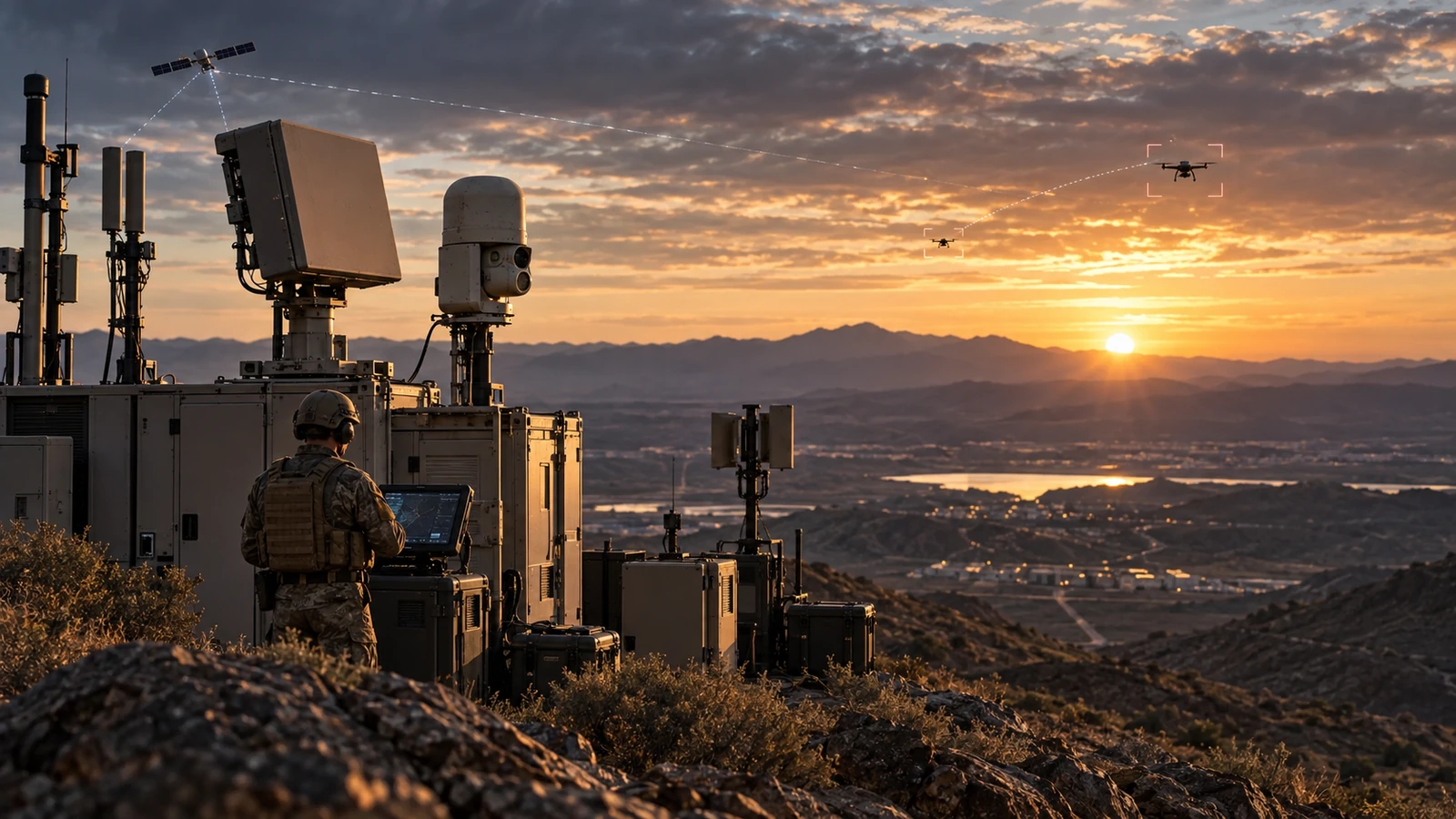
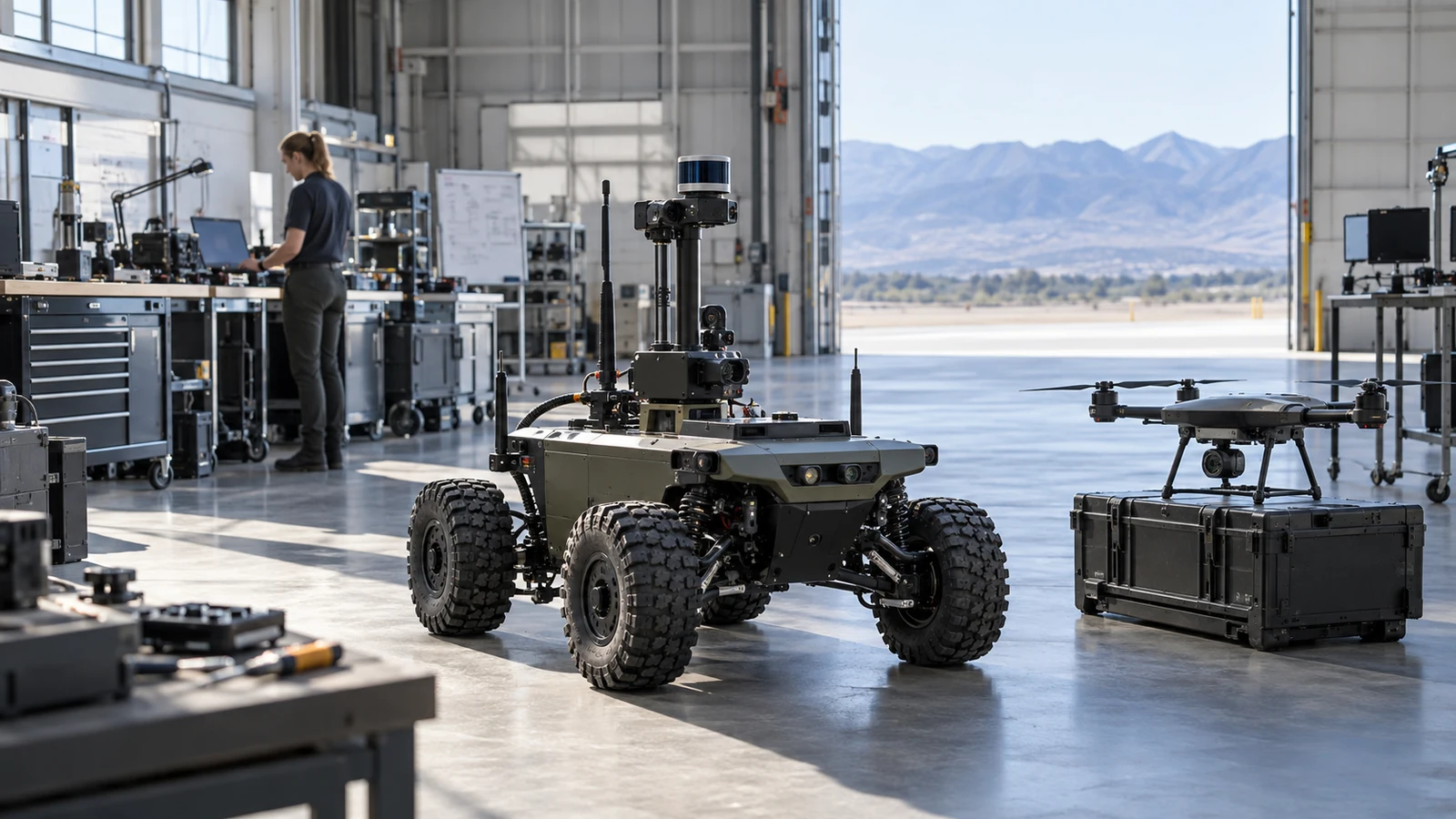
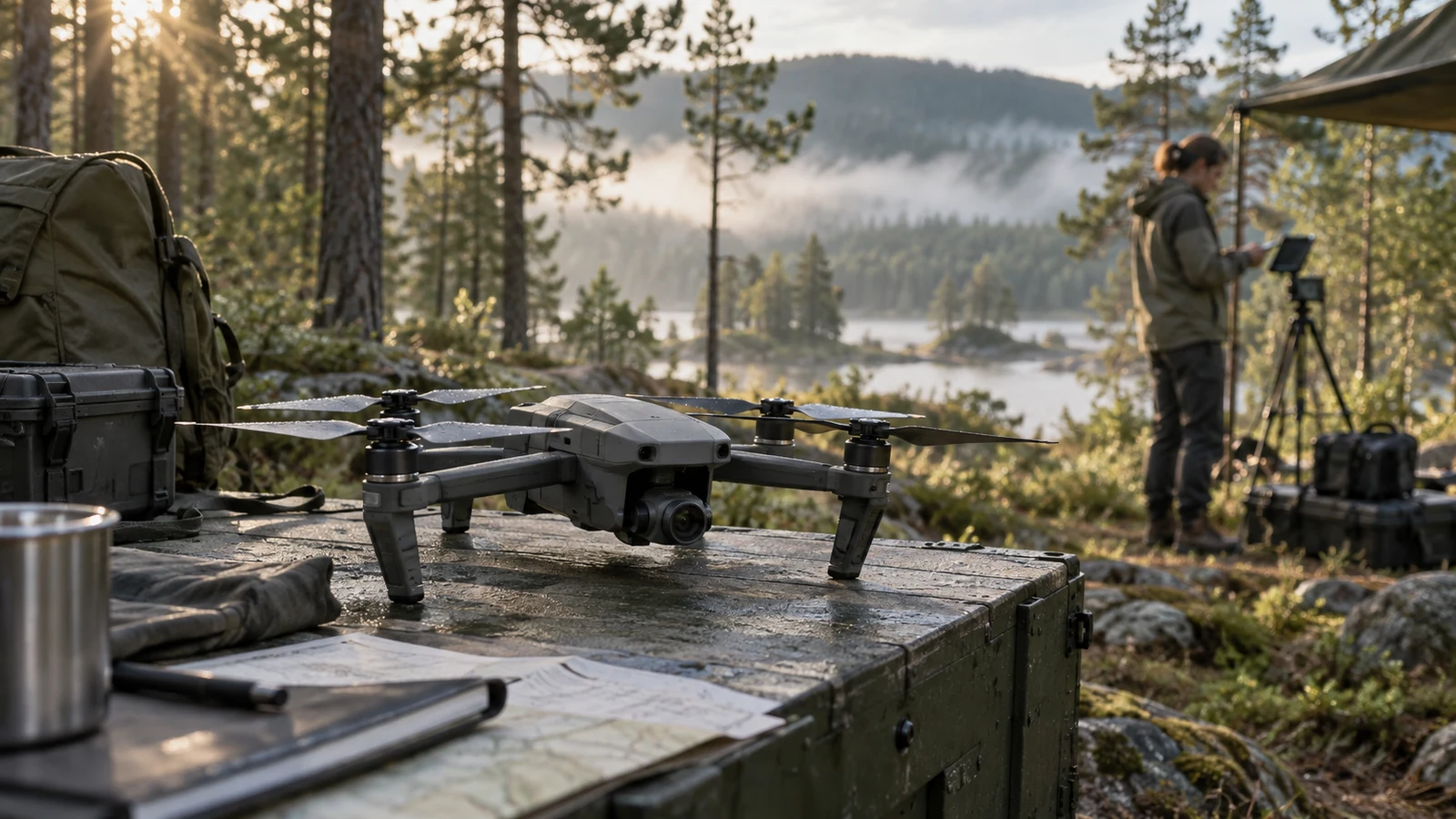
Conceptual editorial illustration; not a photograph of company assets or personnel.
- Second-quarter revenue and gross profit show a larger operating business.
- The Air Force order includes Black Widow systems, training and support equipment.
- UAS leadership changes and maritime collaboration address the next phase of execution.
A drone business increasingly defined by delivery
Red Cat is building an unmanned-systems business around products that must work as part of an operational mission. Its aerial portfolio includes Teal and FlightWave, while Blue Ops provides a maritime dimension. The shared commercial challenge is to connect a capable vehicle with manufacturing, training, support and the systems a customer already uses.
The second quarter of 2026 provides a measurable indication of scale. Red Cat reported US$20.2 million in revenue, up 527% year over year, and approximately US$3.3 million in gross profit. Gross margin was 16.1%. These figures establish growth in recognized sales and positive gross profit, rather than company-wide net profitability. Our reading is that the key development is movement toward a larger production business. As orders and product lines expand, execution increasingly depends on consistent output and customer support as well as technical performance.
Sources: [1]
Black Widow’s Air Force order includes the surrounding support
On July 30, Red Cat announced a US$2.49 million firm-fixed-price U.S. Air Force order for Black Widow systems. The package included training, batteries and spare parts. The company described the order as supporting a technical and operational assessment of Black Widow as a potential successor to the Air Force Security Forces’ Teal 2 fleet.
That wording matters: the order is a completed commercial award, while a broader fleet transition remains a potential outcome. The positive point is that the customer is purchasing more than a demonstration aircraft. Training and support items are part of preparing people to use the system in an operational setting. In our analysis, this is the kind of milestone that helps connect product development with repeatable customer adoption. The next evidence to follow is the customer’s assessment and any subsequent procurement decisions, rather than assuming the initial order already represents an entire fleet replacement.
Sources: [2]
The production organization is gaining a clearer structure
Red Cat promoted Mitch McDonald to divisional chief executive of its unmanned aircraft systems operations in August. The role covers Teal in Salt Lake City and FlightWave in Torrance. McDonald previously led Teal, and the announcement emphasized manufacturing scale and operational execution. Jeff Thompson remains the parent company’s chief executive, with Chris Ericson serving as chief operating officer.
The organizational change is relevant because growing a hardware business requires coordination across engineering, suppliers, quality control and production schedules. Separate product teams need room to solve technical problems, but customers also need predictable delivery and support. Our interpretation is that a divisional structure can help make those responsibilities clearer. The result should be assessed through execution over time: whether production plans align with demand, whether product improvements reach customers efficiently and whether the different teams can share useful operational practices as the business expands.
Sources: [3]
Blue Ops extends the autonomy strategy onto the water
The August 17 partnership between Blue Ops and Havoc adds an open-architecture approach to Red Cat’s maritime work. The companies said they would collaborate on autonomous maritime systems, including Blue Ops’ Variant 7 platform, combining vessel capabilities with autonomy and command-and-control technology. They also described plans for testing, training and demonstration fleets.
The commercial logic is interoperability. A customer operating multiple unmanned assets needs a way to coordinate them without treating every vehicle as a separate island of technology. Open interfaces can make integration and later upgrades more practical, although the benefits must still be demonstrated in the intended operating environment. This announcement is a development partnership, not a statement that a new fleet has already been delivered. Our reading is that it expands the set of missions Red Cat can address while keeping software, control and operator workflow central to the product discussion.
Sources: [4]
Competitive testing provides another route to customer feedback
In July, Red Cat said Teal had advanced to Gauntlet II of the Drone Dominance Program. The company described a competitive selection process that moved a smaller group of participants forward for further evaluation. Advancement is a program milestone rather than a final procurement award, but it creates another setting in which the product can be tested against customer requirements.
For a manufacturer, such evaluations can be useful even before a larger purchasing decision. They expose the system to structured feedback and help identify which aspects of performance, usability or support deserve attention. Our interpretation is that the most valuable outcome is a stronger connection between what the customer needs and what the production organization builds. Readers should follow any later program updates for the actual outcome rather than treating participation as booked revenue. The progress to date nevertheless provides a concrete indication that Teal remains involved in a significant customer evaluation process.
Sources: [5]
The next chapter is about making scale dependable
Red Cat’s recent developments fit together around a practical theme. Orders create demand, the operating organization prepares to fulfill it, and product partnerships broaden the missions the company can address. Aerial systems and maritime autonomy are different markets, but both depend on reliable manufacturing and a clear understanding of the operator’s job.
Our perspective is that the company should be followed through delivery and adoption milestones. Useful evidence includes customer acceptance, follow-on orders, production consistency and successful integration with mission software. Those measures would show that the organization is building a repeatable business around its technology. Red Cat already has reported revenue growth, a named Air Force order and identifiable leaders responsible for scaling operations. The opportunity is to turn those individual advances into an increasingly dependable supplier relationship, with products supported throughout the customer’s operational use rather than only at the point of sale.
Sources and further reading
This company feature focuses on publicly reported business developments and includes Cornerstone’s analysis. It is informational and is not investment advice or a recommendation to buy or sell securities. Forward-looking statements remain subject to execution and uncertainty. Review the linked sources and report factual concerns through our corrections page.