This article was selected without issuer payment or pre-publication approval and prepared under Cornerstone Market Intelligence editorial standards. The source material used is linked on this page.
- Rio Silver began the Peruvian regulatory process needed for physical access and staged underground entry at the Maria Norte silver project, engaging mining and explosives authorities.
- Rio Silver announced that it had begun the regulatory process required to enable physical access at its Maria Norte Project in Peru.
- The company said it was engaging Peru's Ministry of Energy and Mines through its General Directorate of Mining, alongside SUCAMEC, the authority responsible for control of weapons and explosives for civilian use.
The development
Rio Silver announced that it had begun the regulatory process required to enable physical access at its Maria Norte Project in Peru.
The company said it was engaging Peru's Ministry of Energy and Mines through its General Directorate of Mining, alongside SUCAMEC, the authority responsible for control of weapons and explosives for civilian use.
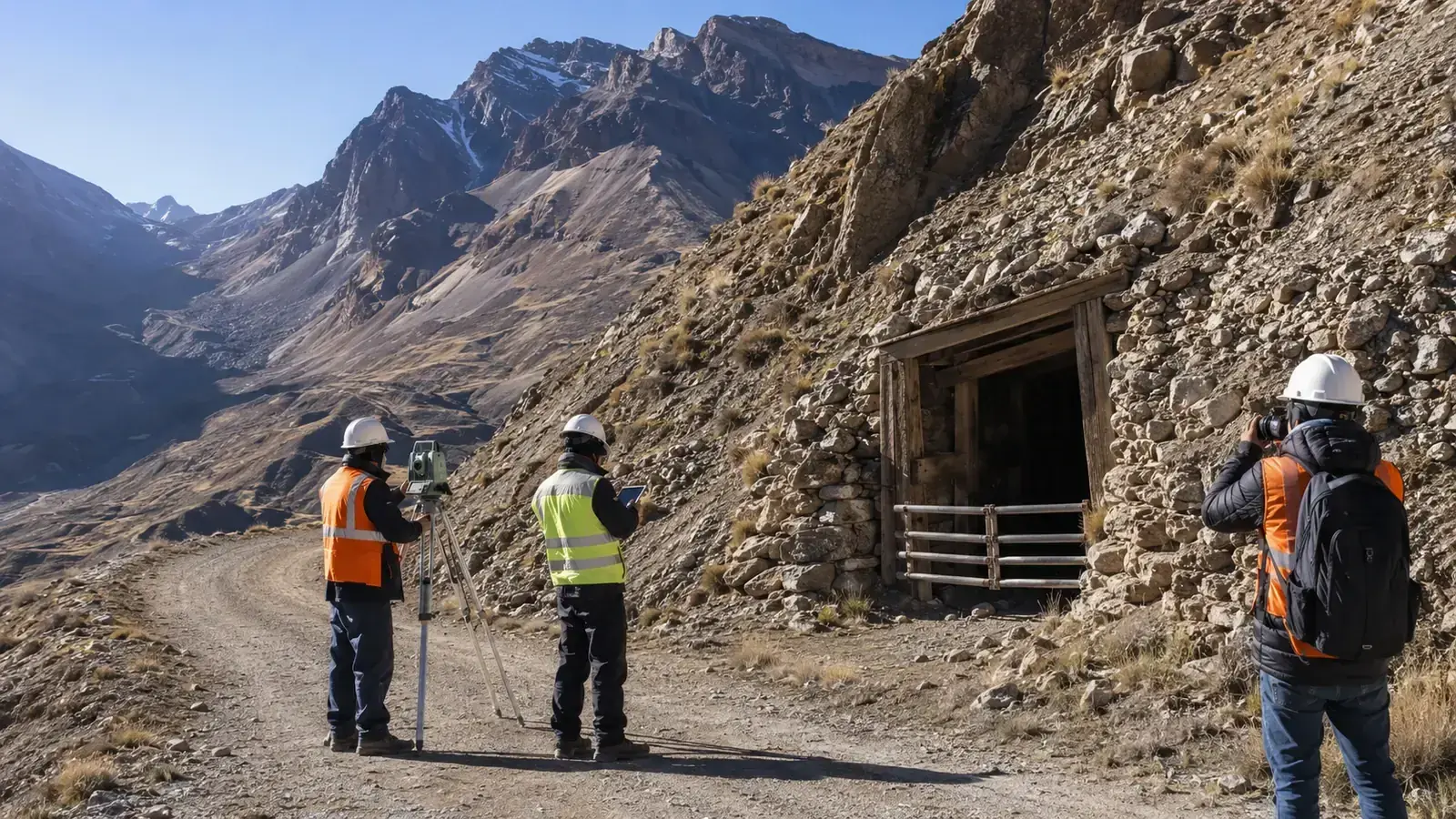
The permitting work was intended to support portal preparation and staged underground access to evaluate mineralization more directly.
The announcement described a regulatory process, not an approval. Timing and the scope of eventual underground work remain dependent on agency review and subsequent technical execution.
Why this matters
The regulatory step was intended to move Maria Norte from surface-focused evaluation toward controlled physical access for additional technical work.
The practical significance depends on follow-through in later filings, technical reports or operating updates rather than the announcement alone.
Industry and company context
Permitting is sequential and jurisdiction-specific; engagement with the agencies is evidence of process initiation rather than authorization to mine.
This article was added during the August 6, 2026 archive review and preserves the announcement date so the $RYO timeline remains chronological.
How to evaluate the update
The core facts to evaluate are the quantified terms, dates and conditions disclosed in the source. Permitting is sequential and jurisdiction-specific; engagement with the agencies is evidence of process initiation rather than authorization to mine.
Readers should separate completed actions from targets, proposed transactions, management expectations and other forward-looking statements.
Execution and risk considerations
Permits can take longer than expected or include conditions, and underground access does not establish an economic mineral resource or reserve.
Forward-looking statements, estimates and management expectations can change; readers should use later company filings and technical disclosure for current status.
What to watch next
- Formal mining and explosives authorizations.
- Portal preparation and underground access work.
- Sampling, mapping and drilling after access is established.
- Updated technical disclosure under NI 43-101.
Cornerstone perspective
The regulatory step was intended to move Maria Norte from surface-focused evaluation toward controlled physical access for additional technical work. The most useful evidence now is the next verifiable milestone rather than the headline in isolation.
Cornerstone will treat later source documents as controlling where they supersede the January 20, 2026 disclosure.
This article is informational and is not investment advice or a recommendation to buy or sell securities. Forward-looking statements involve risks and uncertainty. Readers should review the original source and report factual concerns through our corrections page.