This article was selected without issuer payment or pre-publication approval and prepared under Cornerstone Market Intelligence editorial standards. The source material used is linked on this page.
- The company reported roughly US$1.4 million of cash proceeds from three silver-lead concentrate batches in 2026, with a fourth batch being prepared.
- For early-stage mining businesses, the transition from exploration to material sales changes the questions readers should ask. Silver Elephant’s August 21 Apuradita update supplied operating figures rather than only geological sample grades.
- The company said three batches of silver-lead concentrate had been produced and sold from the Bolivia project during 2026, generating approximately US$1.4 million in cash proceeds. The batches together contained 24,538 ounces of silver and about 20 tonnes of lead.
The development
For early-stage mining businesses, the transition from exploration to material sales changes the questions readers should ask. Silver Elephant’s August 21 Apuradita update supplied operating figures rather than only geological sample grades.
The company said three batches of silver-lead concentrate had been produced and sold from the Bolivia project during 2026, generating approximately US$1.4 million in cash proceeds. The batches together contained 24,538 ounces of silver and about 20 tonnes of lead.
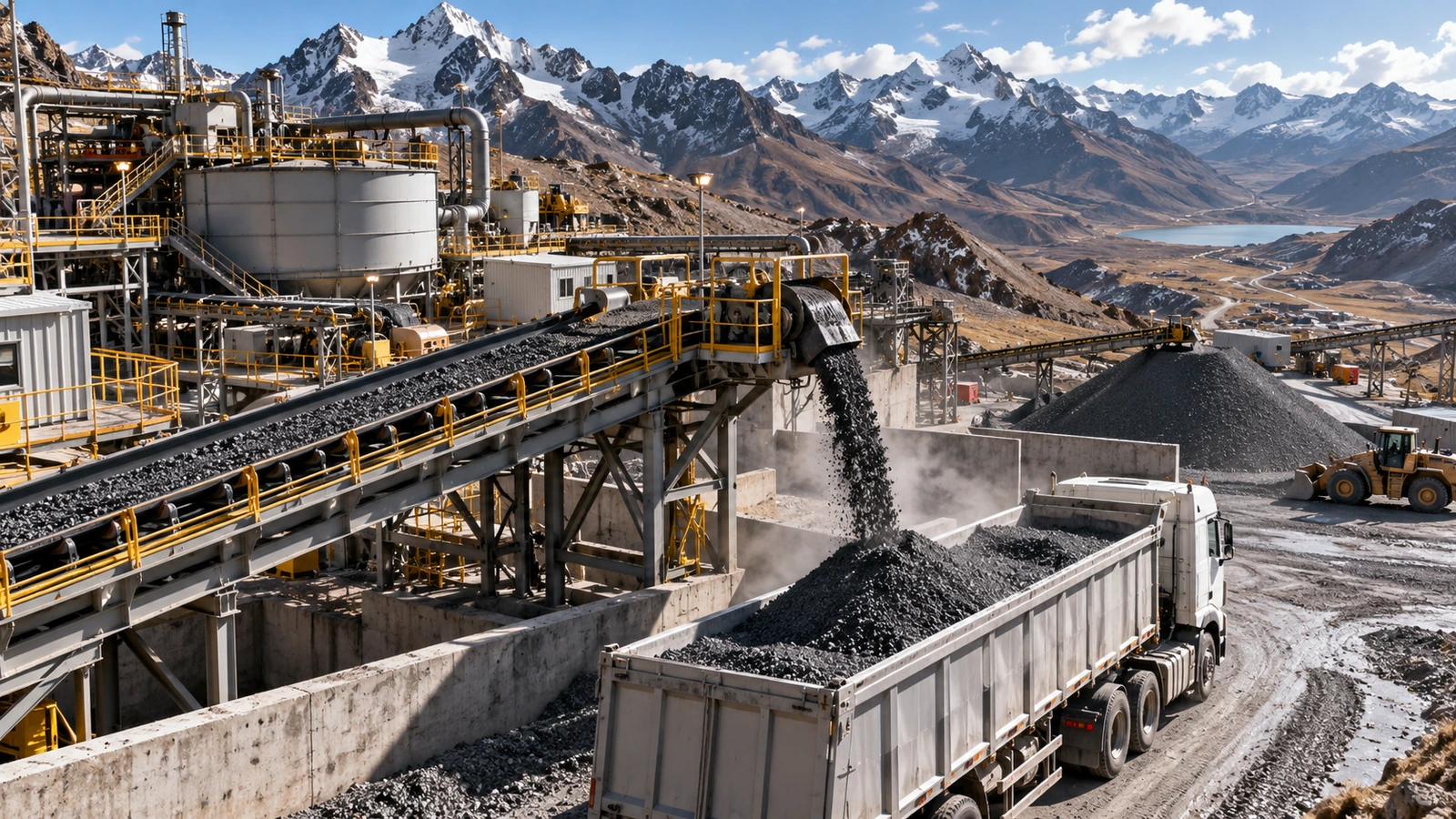
Production used toll milling. The company reported 4,547 tonnes of silver-bearing material delivered to a third-party processing facility, at a weighted average feed grade of 297 grams per tonne silver and 0.9% lead.
The concentrate silver grade rose from 5,916 grams per tonne in the first batch to a reported 11,577 grams per tonne in the third. That trend describes the quality of concentrate produced, not the grade of the entire deposit or a reliable forecast for subsequent production.
Silver Elephant gave an estimated 35% cash-flow margin after direct operating costs and capital expenditure for the reported batches. Because this was a company operating update rather than a complete audited mine-level income statement, the definition and reproducibility of that margin warrant scrutiny.
The company said it was preparing a fourth concentrate batch, with mineralized material being stockpiled for intended delivery to the toll mill in October. At the time of the source release, that was a plan rather than confirmation that a fourth sale had closed.
The next phase of the story is repeatability. Future batches can show whether feed volumes, recovery, transportation, pricing and processing costs support a consistent operating model.
Why this matters
Concentrate sales provide revenue-like operating evidence that is different from exploration samples alone.
A sequence of batches allows readers to track operating cadence, product quality and realized cash proceeds over time.
Industry and company context
Toll milling means the company relies on external processing infrastructure rather than an entirely owned mill.
Feed grade, concentrate grade, recovered metal and net sale proceeds are distinct measures.
How to evaluate the update
Compare successive batches using tonnage, contained metal, realized cash proceeds and unit operating cost.
A full reconciliation of costs and cash flow will matter more as activity expands.
Execution and risk considerations
Three batches are a limited operating history; grades and margins may fluctuate.
Toll mill availability, transportation and metal prices affect realized economics.
What to watch next
- Confirmation and results of the proposed fourth concentrate batch.
- Regular throughput and cost disclosure.
- Operating updates that distinguish production from sales proceeds.
Cornerstone perspective
Apuradita has moved into a phase where operating evidence can be assessed. The next useful headline is not the biggest number in one batch, but the consistency across several more.
This article is informational and is not investment advice or a recommendation to buy or sell securities. Forward-looking statements involve risks and uncertainty. Readers should review the original source and report factual concerns through our corrections page.