
Cornerstone Marketing Inc. has a commercial relationship with this company. This in-depth review is provided as part of that broader relationship; no separate publication fee is charged for an individual newsroom article. The commercial relationship does not remove our sourcing, byline, date, correction or disclosure requirements.
- NE Tyro has expanded to depth and continues delivering strong gold grades across multiple drill sections.
- Black Dyke and Sheep Trail give Gold Chain additional potential resource centres beyond the main Tyro system.
- West Point’s management and technical team combines capital-markets experience with deep epithermal-gold expertise.
Gold Chain is increasingly a multi-target story
West Point Gold’s flagship Gold Chain Project is becoming broader than the original Tyro thesis. The company’s 2026 drilling has advanced the high-grade Northeast Tyro zone, continued work at Tyro Main and generated encouraging results from separate targets such as Black Dyke and Sheep Trail.
That diversification is valuable because exploration success is rarely linear. A project with several mineralized centres gives the technical team more options for allocating drill metres and creates more than one path to future resource growth.
West Point’s own current project overview describes multiple potential resource areas at Gold Chain, with the Tyro Main maiden resource targeted for 2026. The company is therefore working toward a structure in which one area reaches a formal resource milestone while other targets continue to build scale.
NE Tyro has delivered some of the company’s standout results
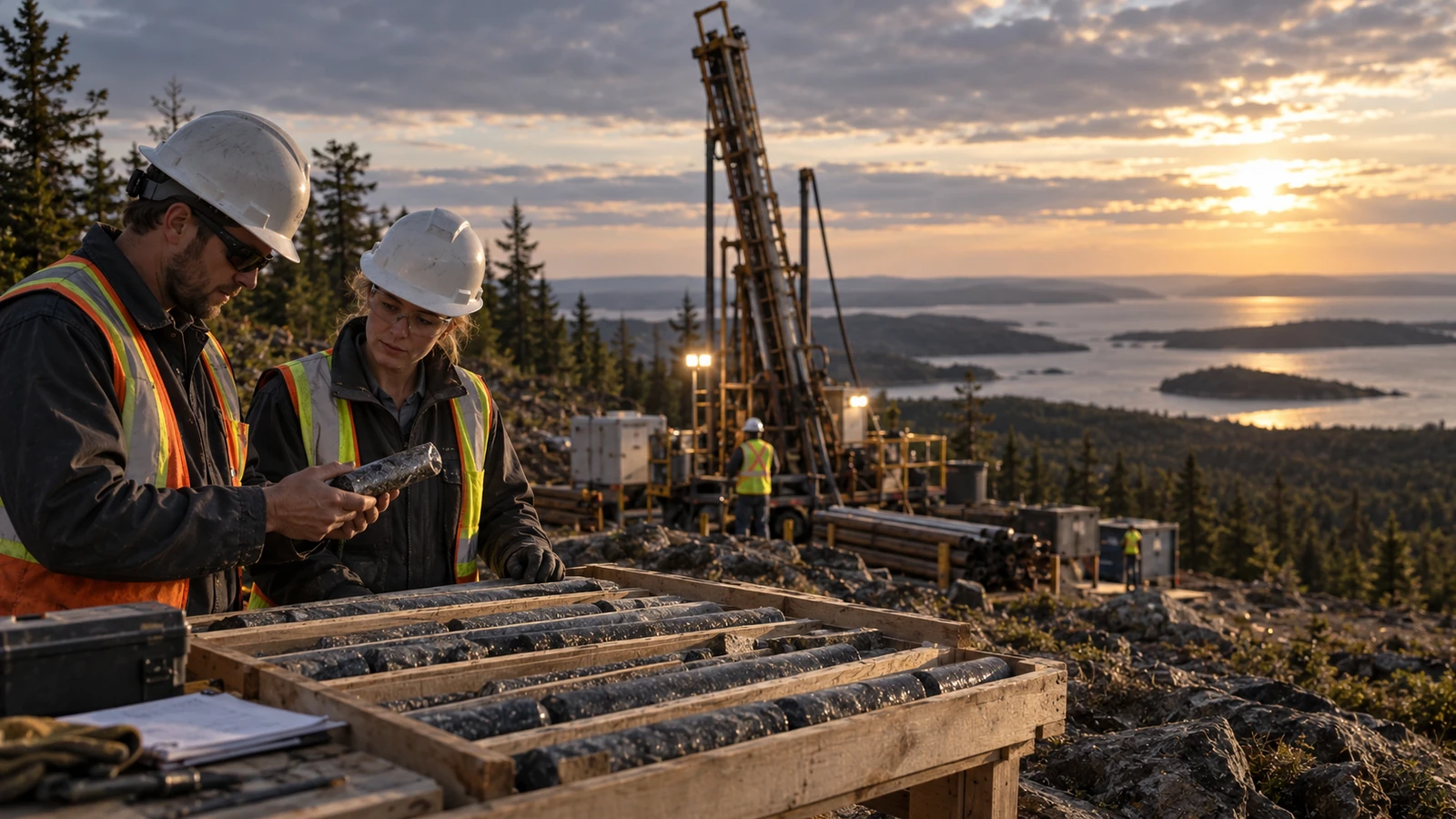
The high-grade Northeast Tyro zone has been a consistent source of strong drill results. In January, West Point reported 27.4 metres grading 9.56 g/t gold in GC25-87, including 13.7 metres at 18.00 g/t. Another hole returned 44.2 metres at 5.46 g/t, including 18.3 metres at 12.04 g/t.
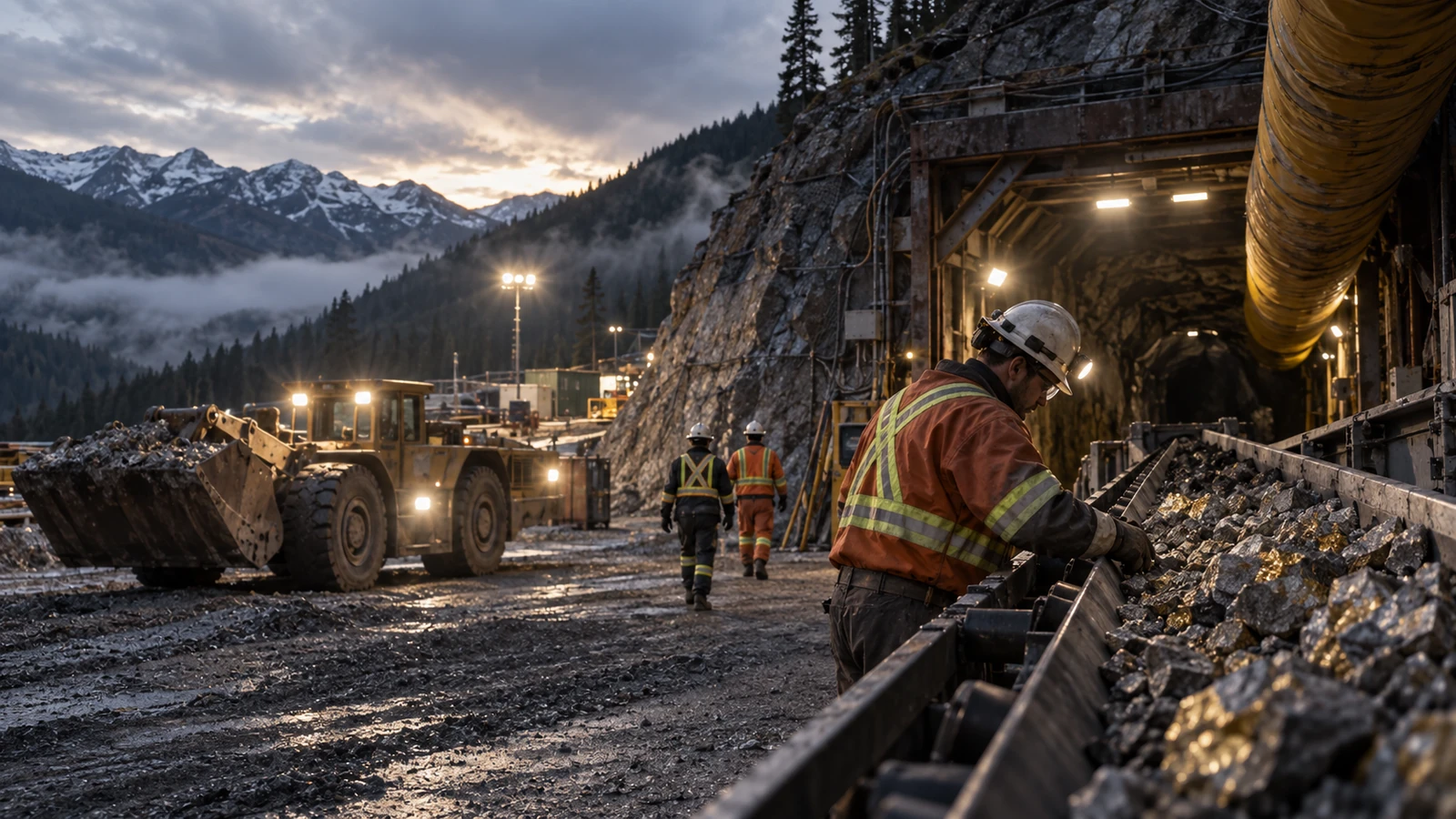
By late April, step-out drilling had extended the high-grade zone to more than 400 metres of strike length and roughly 300 metres depth. GC26-140 returned 18.3 metres at 6.05 g/t gold while additional holes continued pushing the mineralized footprint northeast.
The value of that sequence is cumulative. Each new hole adds another constraint to the geological model and helps establish whether the higher-grade portions of the system are isolated or connected. West Point’s 2026 results have increasingly supported the latter interpretation.
Black Dyke adds a shallower development concept
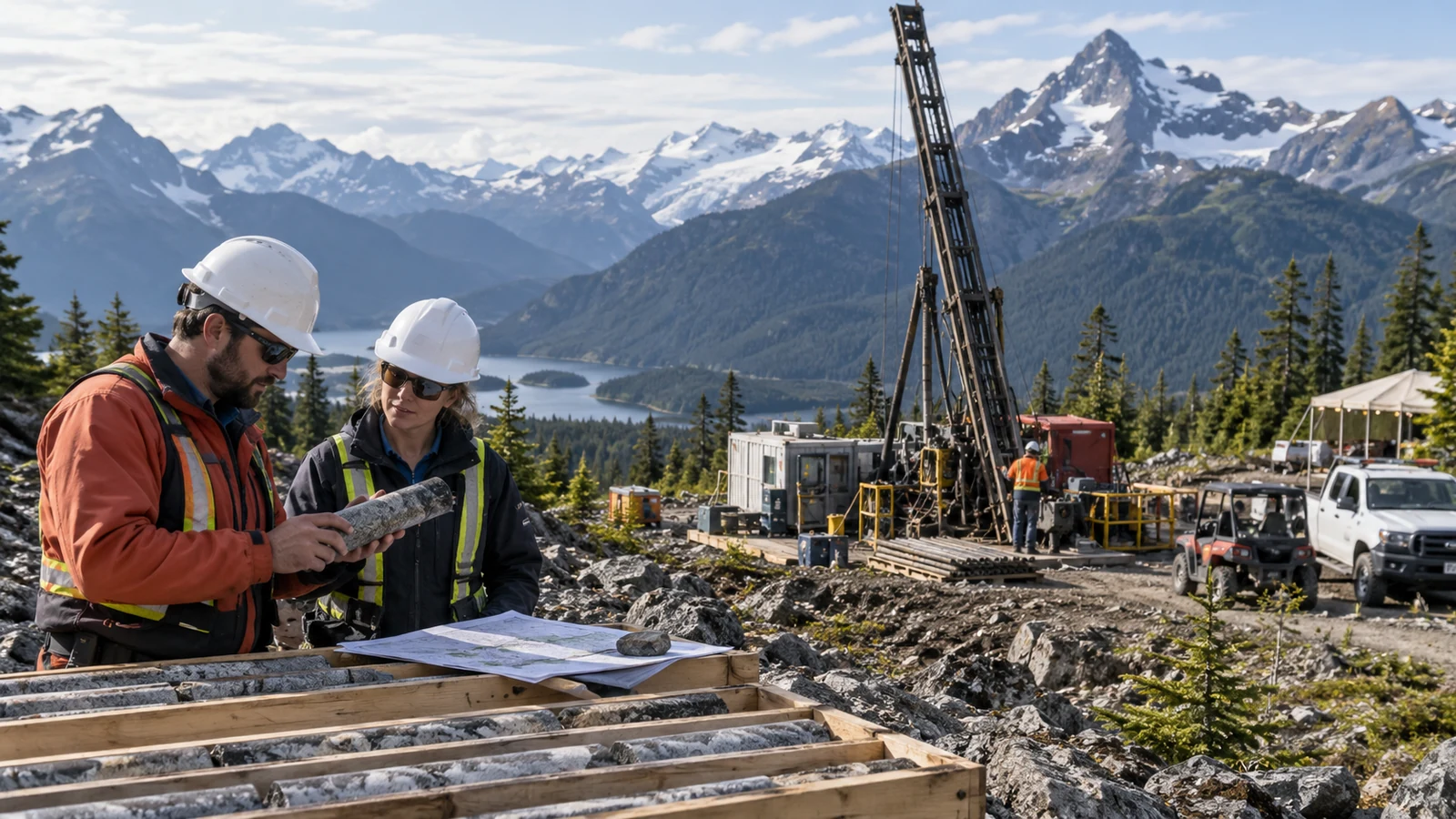
Black Dyke sits approximately four kilometres west of Tyro and has a different geometry that could eventually complement the main system. West Point’s drilling has outlined shallow-dipping mineralization that begins close to surface and remains open in multiple directions.
The August follow-up program returned mineralization in every hole, highlighted by 7.6 metres at 2.22 g/t gold and 16.8 metres at 0.90 g/t. Earlier drilling included broader near-surface intervals, helping management identify Black Dyke as a potential second resource-development area.
A shallow target has obvious exploration appeal because it can be tested efficiently and its geometry can be easier to trace with step-out drilling. Continued expansion at Black Dyke would give Gold Chain another distinct source of ounces beyond Tyro.
Sources: [4]
Sheep Trail gives the project a third area to follow
West Point’s April drilling at Sheep Trail, approximately 600 metres south of Tyro Main, returned 32.0 metres at 1.05 g/t gold from only 9.1 metres depth. The company said the result supported Sheep Trail as a potential third resource area at Gold Chain.
The significance is not that Sheep Trail has already been defined as a resource. It has not. The positive point is that the mineralizing system appears to have produced meaningful gold well beyond the main Tyro centre.
That broadens the exploration map. If future work can connect or independently expand these satellite areas, Gold Chain could evolve into a district-scale project with several zones contributing to the overall value proposition.
Sources: [3]
The broader portfolio provides additional optionality
Outside Gold Chain, West Point holds additional projects along the Walker Lane trend in Nevada and Arizona. The current portfolio includes Jefferson Canyon, Baxter Spring and Tip Top, each with prior exploration work and a different path to advancement.
Jefferson Canyon is particularly notable because of West Point’s exploration relationship with Kinross, while Baxter Spring and Tip Top have substantial historical drilling datasets. These assets are not the company’s near-term focus in the same way Gold Chain is, but they give management additional projects that can be advanced as capital and priorities allow.
For shareholders, that means the company’s exploration optionality extends beyond a single property. Gold Chain remains the centre of attention, while the rest of the portfolio provides longer-term discovery and partnership possibilities.
Sources: [5]
The technical team is well matched to the geology
President and CEO Derek Macpherson combines mining capital-markets experience with a technical background in metallurgy. Vice President of Exploration Rob Johansing brings roughly 45 years of experience in mining, mineral development and exploration, with a particular focus on low-sulfidation epithermal gold systems.
That specialization is directly relevant to Gold Chain. Epithermal systems can be structurally complex, and experience with vein textures, alteration, structural controls and vertical zonation can materially improve drill targeting.
In April, the company also added Amandip Singh as vice president of corporate development. Singh is a geologist and mining professional with experience across industry, finance and academia, adding another bridge between technical progress and capital-market execution.
A resource estimate can turn exploration success into a common measuring stick
West Point has said it is compiling and evaluating its 2026 drill data for a maiden resource estimate later in the year. That milestone is important because it would convert years of drilling into a standardized estimate of tonnage and grade under a recognized reporting framework.
Until that work is complete, the most useful evidence remains the drill data itself: repeated high-grade intervals at Northeast Tyro, broad mineralization at Tyro Main and encouraging satellite targets around the project.
A maiden resource will not end the exploration story. If anything, a strong initial estimate can provide a base from which additional drilling at depth, along strike and at satellite zones can be measured more clearly.
Why West Point’s 2026 progress stands out
West Point has spent 2026 doing several things that successful exploration companies eventually need to do at the same time: increase geological confidence, widen the target inventory, strengthen the team and simplify project ownership.
That combination matters because a great drill result is most valuable when the company has the people, capital-market access and land position needed to follow it up. West Point’s current structure is increasingly aligned around that requirement.
Cornerstone’s positive assessment is that Gold Chain is developing depth as a story. There is a high-grade core at Northeast Tyro, broader scale at Tyro Main, additional targets such as Black Dyke and Sheep Trail, and a technical team with relevant experience. The upcoming resource work should give investors a clearer way to measure how those pieces fit together.
Primary sources
- West Point Gold — January 6, 2026 high-grade NE Tyro results
- West Point Gold — April 28, 2026 NE Tyro step-out results
- West Point Gold — April 9, 2026 Sheep Trail results
- West Point Gold — August 11, 2026 Black Dyke results
- West Point Gold — current corporate overview
- West Point Gold — management team
- West Point Gold — April 1, 2026 Amandip Singh appointment
This article is sponsored company coverage and is informational only. It is not investment advice or a recommendation to buy or sell securities. Forward-looking statements involve risks and uncertainty. Readers should review the linked primary sources and report factual concerns through our corrections page.