This article was selected without issuer payment or pre-publication approval and prepared under Cornerstone Market Intelligence editorial standards. The source material used is linked on this page.
- The October 6 partnership targets industrial production of low-loss photonic devices and photon detectors at GlobalFoundries’ Malta, New York fabrication line.
- Quantum-computing breakthroughs often arrive as laboratory demonstrations. Scaling them into repeated, precisely manufactured components is a different challenge. Xanadu’s October 6 partnership with GlobalFoundries is aimed at that manufacturing gap.
- The companies announced a multi-year collaboration covering advanced photonic components on GlobalFoundries’ 300 mm production line in Malta, New York. The initial work will focus on ultra-low-loss silicon nitride photonics and superconducting nanowire single-photon detectors.
The development
Quantum-computing breakthroughs often arrive as laboratory demonstrations. Scaling them into repeated, precisely manufactured components is a different challenge. Xanadu’s October 6 partnership with GlobalFoundries is aimed at that manufacturing gap.
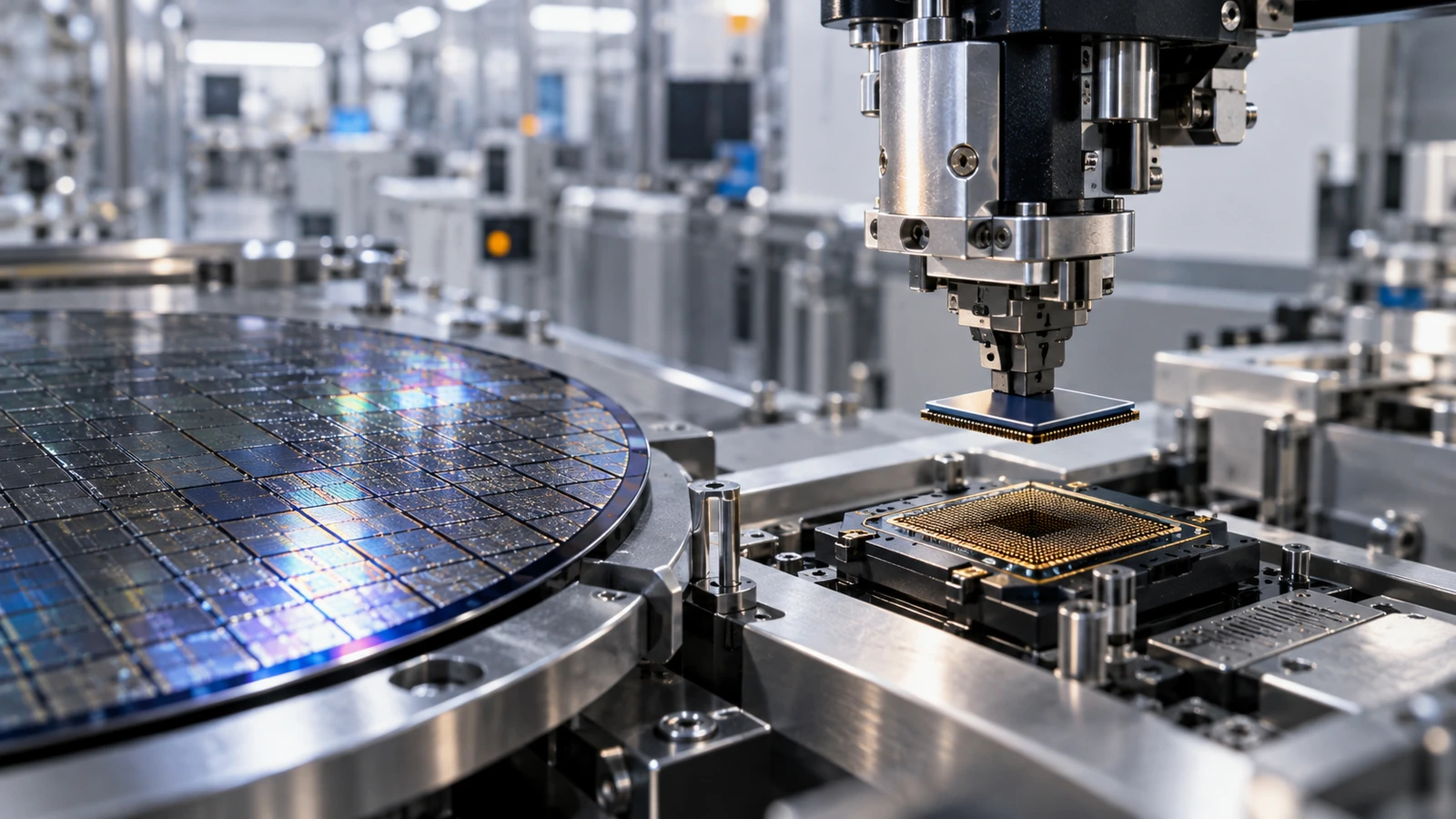
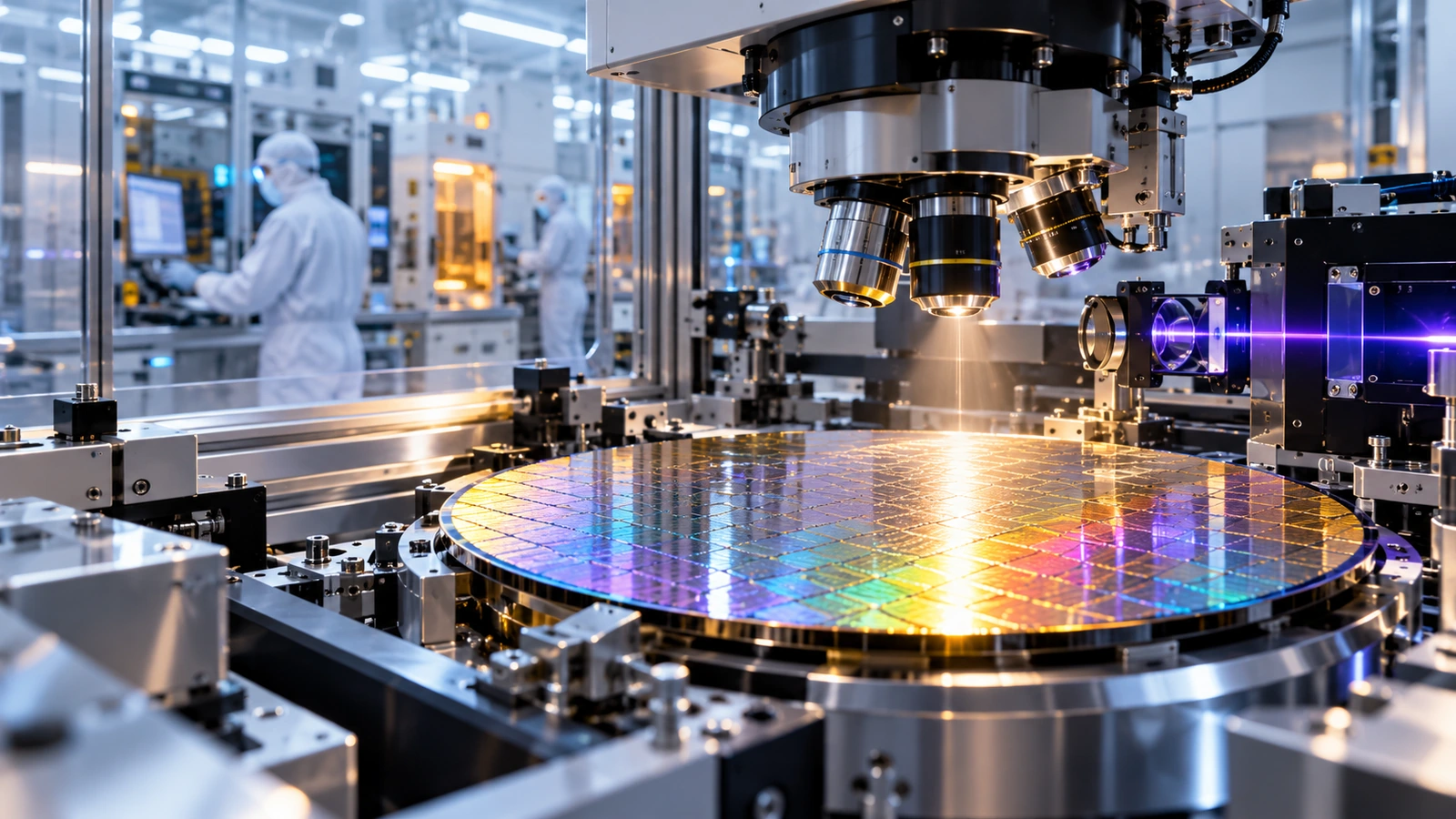
The companies announced a multi-year collaboration covering advanced photonic components on GlobalFoundries’ 300 mm production line in Malta, New York. The initial work will focus on ultra-low-loss silicon nitride photonics and superconducting nanowire single-photon detectors.
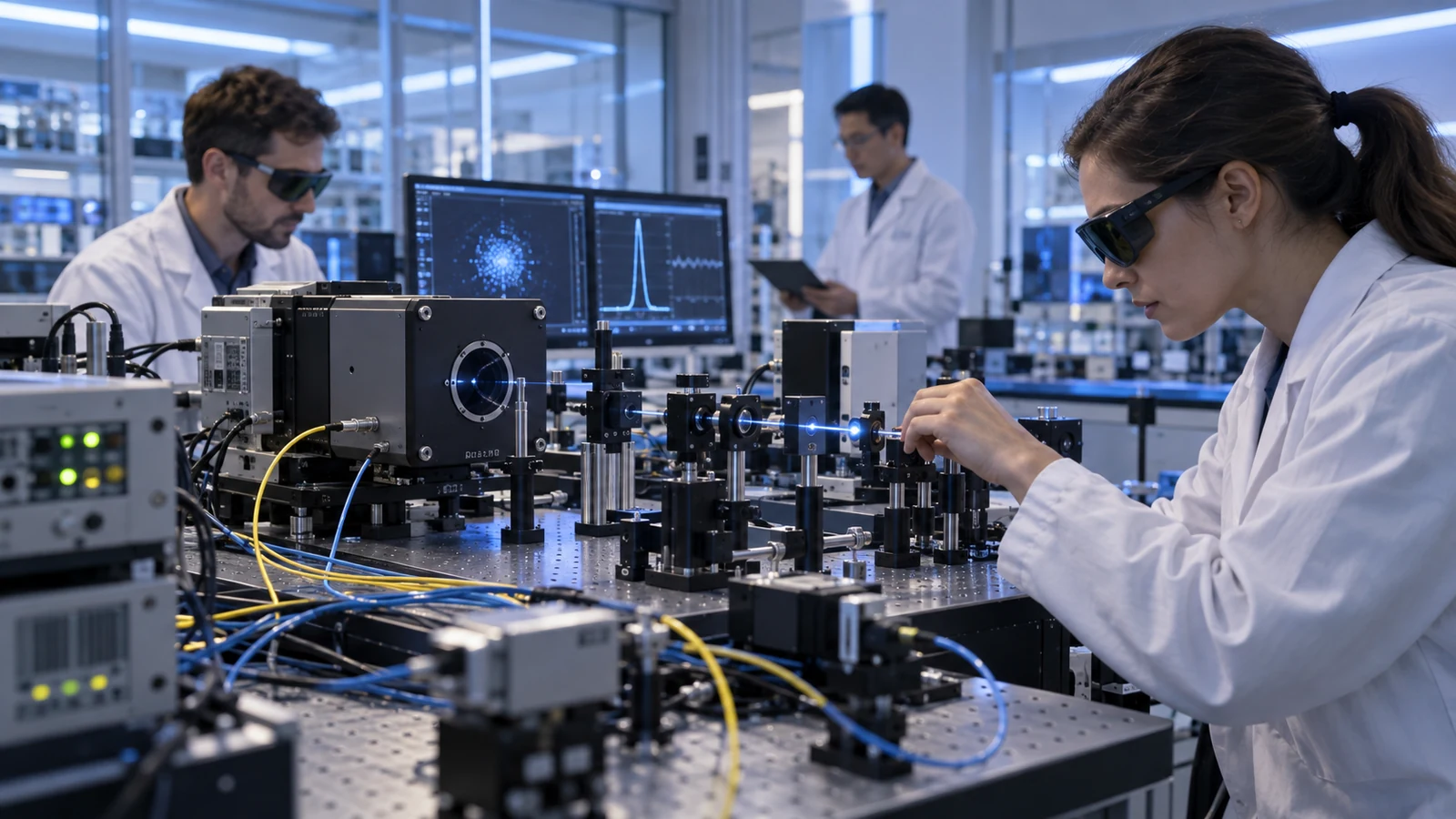
Xanadu develops quantum systems that use light to encode and process information. Reading those systems requires sensitive detectors capable of resolving individual photons; reliable manufacturing of those detectors is part of the pathway to larger machines.
Silicon nitride photonic circuits address a separate challenge: guiding light with minimal loss. Integrating optical paths and detection technology into production-compatible processes can support more predictable device performance from wafer to wafer.
A commercial foundry brings process discipline, equipment scale and yield-management experience that differ from specialized research fabrication. But moving a component onto a production line does not mean a complete fault-tolerant quantum computer is already in commercial operation.
The partners did not present the agreement as a shipment contract for finished quantum computers or disclose a firm commercial production volume in the announcement. The nearer objectives relate to process transfer, development and validation of critical components.
The broader significance will emerge through manufacturing milestones: successful process qualification, consistent yields and integration of resulting chips into demonstrators and systems. Those are better indicators of industrial readiness than the partnership label by itself.
Why this matters
The deal identifies a specific commercial fabrication route instead of relying exclusively on laboratory-scale processes.
Detector and low-loss photonic production are meaningful component-level hurdles for a light-based quantum architecture.
Industry and company context
GlobalFoundries supplies semiconductor manufacturing services; Xanadu develops photonic quantum computing technology.
Quantum systems require many components to meet stringent repeatability and performance requirements before scalable deployment is practical.
How to evaluate the update
Look for data on device yield, optical loss and detector performance produced on the 300 mm line.
Manufacturing validation should be assessed separately from claims about computational advantage.
Execution and risk considerations
Complex research processes may encounter yield or integration problems during transfer to commercial fabrication.
No announced manufacturing collaboration alone establishes that a useful fault-tolerant system is imminent.
What to watch next
- Qualification of silicon nitride and detector manufacturing processes.
- Demonstrations using components fabricated through the new partnership.
- Further disclosures about manufacturing scale or customer deployments.
Cornerstone perspective
The milestone is less about a photogenic quantum computer and more about repeatable component production. A scalable photonic architecture needs credible fabrication long before it needs a grand opening.
This article is informational and is not investment advice or a recommendation to buy or sell securities. Forward-looking statements involve risks and uncertainty. Readers should review the original source and report factual concerns through our corrections page.