Editorial analysis based on publicly accessible cited materials. No issuer payment or editorial approval.
- A large backlog can signal demand, but the more practical question is whether a manufacturer has the capacity, supply chain and contract structure to convert that demand into revenue.
- Defense announcements often highlight order values and multiyear demand, but investors usually need a second step of analysis before they can assess the earnings impact.
- Backlog shows that work has been awarded or reserved, yet it does not guarantee immediate conversion into revenue. The timing depends on manufacturing readiness, component availability, labor constraints and customer delivery schedules.
What happened
Defense announcements often highlight order values and multiyear demand, but investors usually need a second step of analysis before they can assess the earnings impact.
Backlog shows that work has been awarded or reserved, yet it does not guarantee immediate conversion into revenue. The timing depends on manufacturing readiness, component availability, labor constraints and customer delivery schedules.
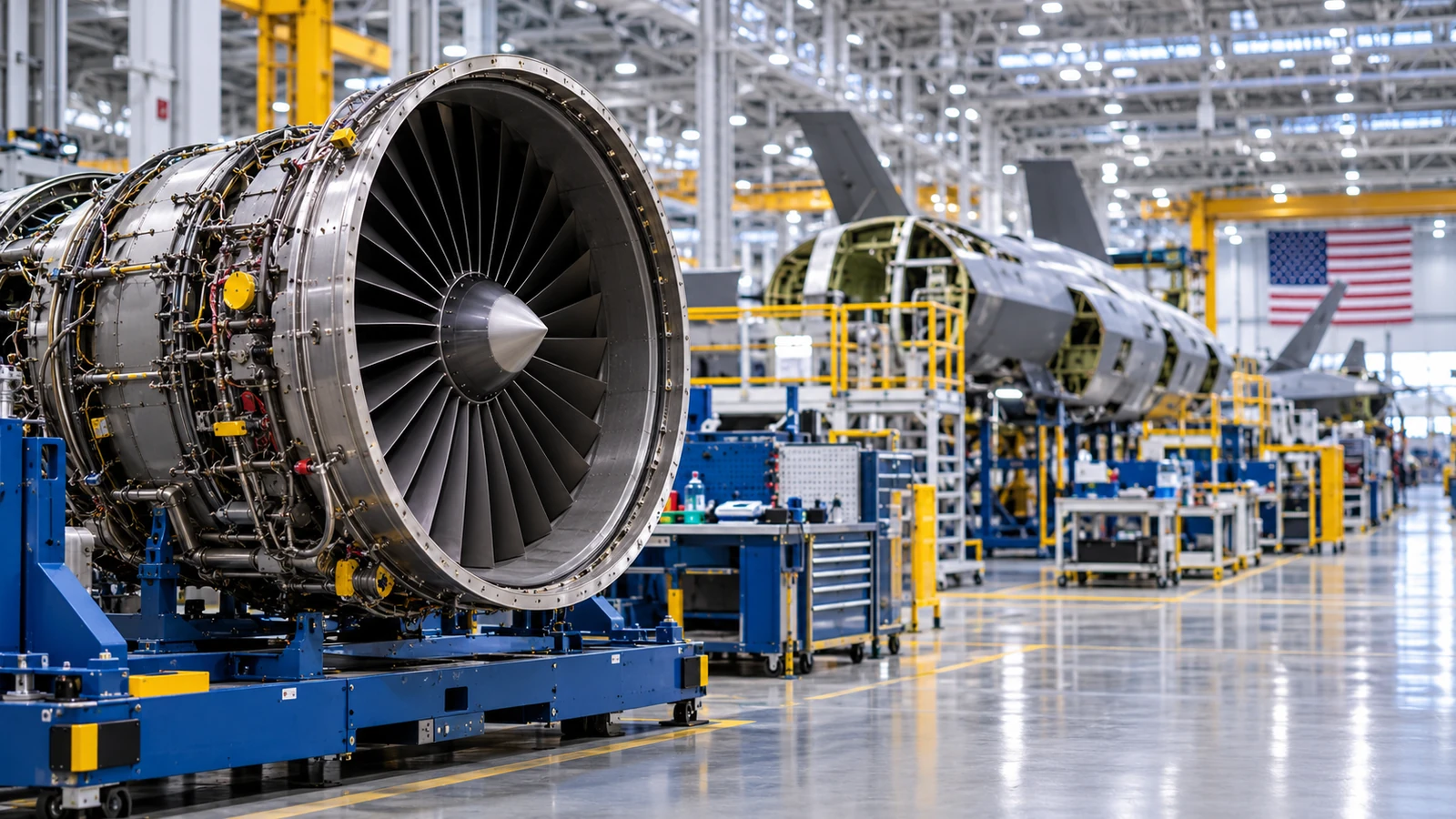
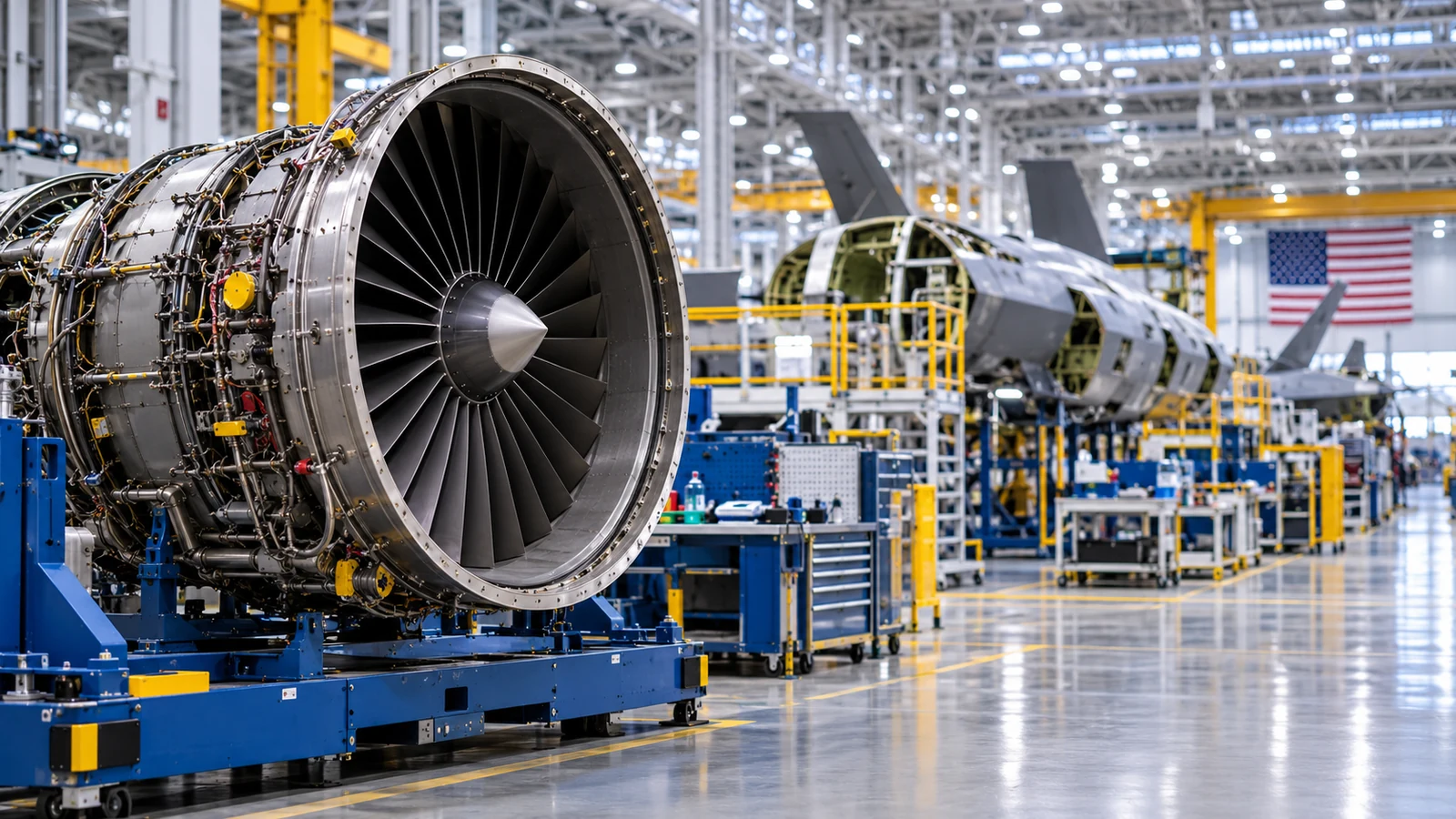
Capacity is therefore central. A company with strong demand but insufficient production throughput may report an attractive backlog without demonstrating near-term operating leverage.
Contract structure also matters. Investors should distinguish among fixed-price, cost-plus and milestone-based arrangements because those terms influence margin behavior and execution risk.
The best updates usually combine orders with operational detail: factory expansion, throughput improvement, qualification milestones or evidence that prior bottlenecks are easing.
For long-cycle industrial stories, the market frequently rewards credible conversion more than headline demand. Backlog is useful, but backlog plus execution is what tends to move the quality of the story forward.
What to verify next
- How much of backlog is expected to convert into revenue within the next year or two.
- Whether management is adding production capacity or addressing known supply-chain bottlenecks.
- The type of contract economics involved and how they affect margin quality during ramp-up.
Source review
This report was prepared from the identified source linked below and checked for the company name, ticker, publication date and material framework used in the summary.
Only substantive editorial changes receive a new modified date. Formatting, design and site-wide link maintenance do not refresh the publication record.
This article is informational and is not investment advice or a recommendation to buy or sell securities. Readers should review the original source and report factual concerns through our corrections page.