This article was selected without issuer payment or pre-publication approval and prepared under Cornerstone Market Intelligence editorial standards. The source material used is linked on this page.
- Redwire has won a follow-on contract to supply two ROSA solar-array wings for Axiom Station’s second module, extending its power-system role across the commercial station’s first two modules.
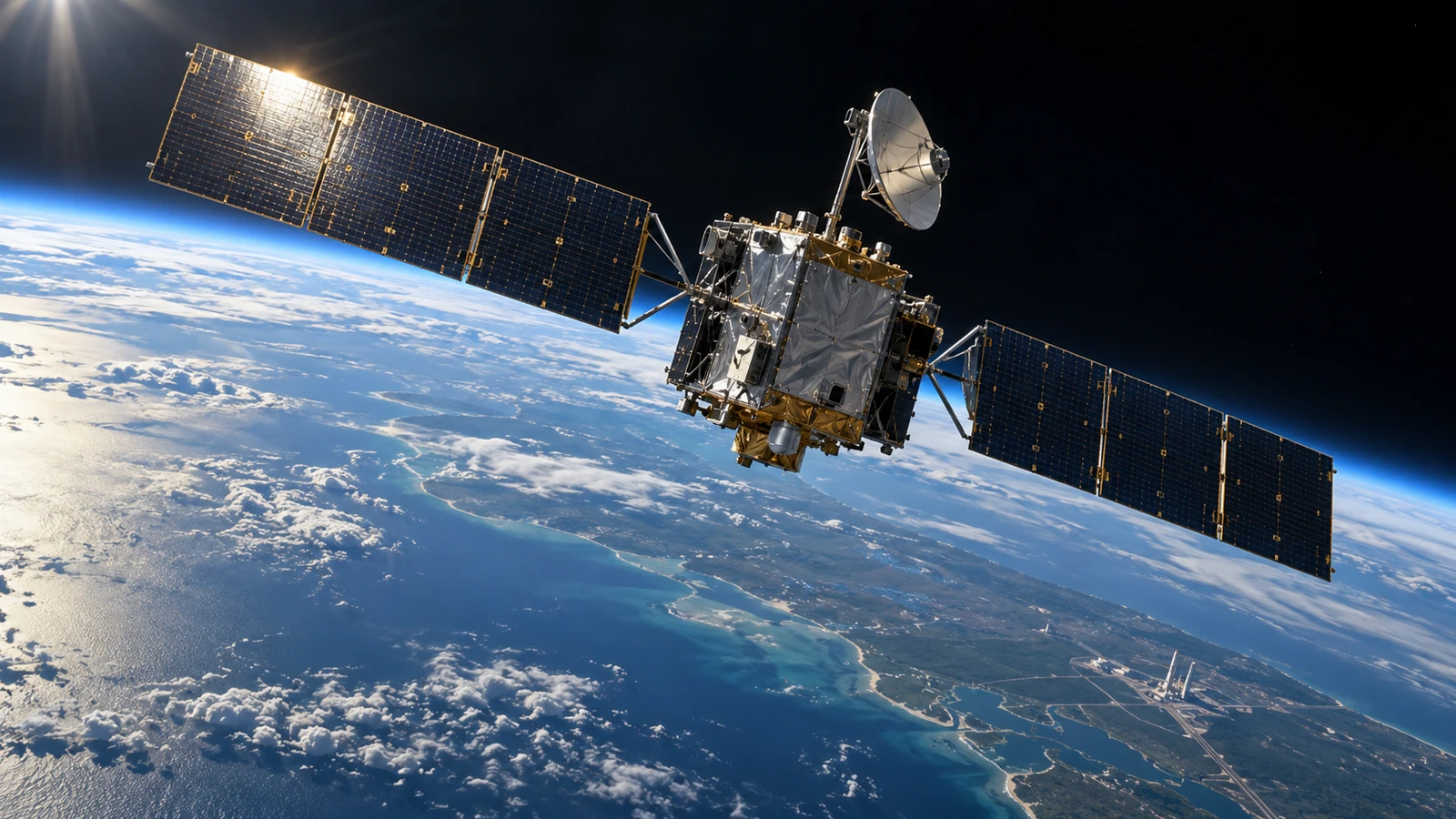
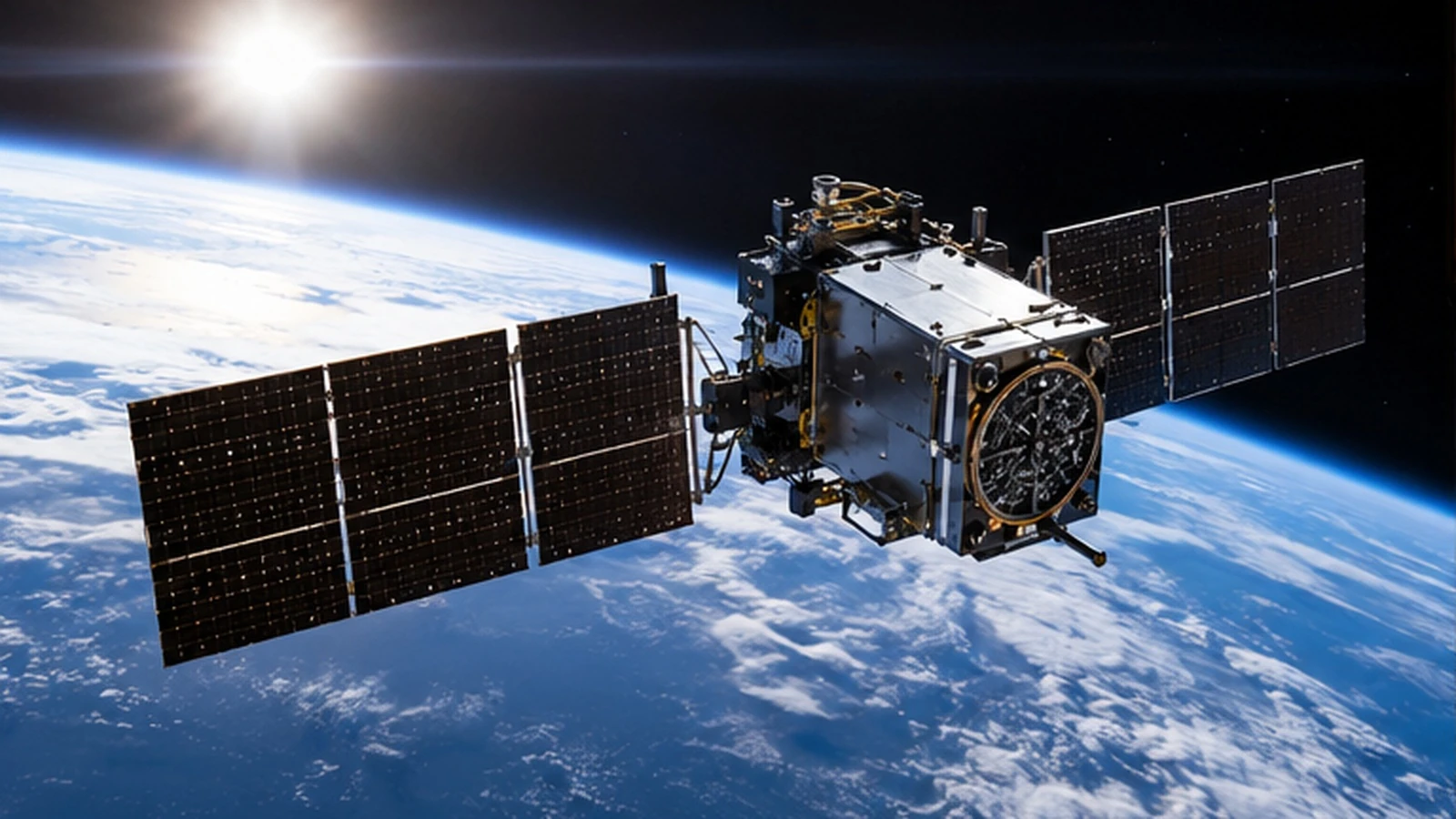
- Redwire is expanding its role in Axiom Station by adding the power system for the commercial station’s second module. The company has been awarded a follow-on contract to develop and deliver two Roll-Out Solar Array wings for that module, extending an existing relationship that already has Redwire building ROSA hardware for Axiom Station’s first module.
- The follow-on award matters because it moves Redwire from supplying a single early station element toward supporting the power architecture across multiple modules. Axiom Space says the first two modules are intended to form a four-crew-capable, operational free-flying station once they are on orbit and connected.
The development
Redwire is expanding its role in Axiom Station by adding the power system for the commercial station’s second module. The company has been awarded a follow-on contract to develop and deliver two Roll-Out Solar Array wings for that module, extending an existing relationship that already has Redwire building ROSA hardware for Axiom Station’s first module.
The follow-on award matters because it moves Redwire from supplying a single early station element toward supporting the power architecture across multiple modules. Axiom Space says the first two modules are intended to form a four-crew-capable, operational free-flying station once they are on orbit and connected.
Axiom’s first module is currently in final assembly at Thales Alenia Space in Turin, Italy. It is scheduled to move to Houston for integration and testing before shipment to Kennedy Space Center, with launch planned for 2028. The second module is also preparing for final assembly and is planned to launch less than a year after the first.
Redwire’s ROSA technology already has extensive flight heritage. The company says the system has maintained a 100% success rate across missions from low-Earth orbit through geostationary orbit and beyond, including deployments that support the International Space Station.
That heritage is central to the Axiom assignment. Solar arrays are not a peripheral payload on a station module; they are part of the power infrastructure required to operate onboard systems, support crews and enable research, manufacturing and other commercial activity in orbit.
Redwire says more than 65 solar-array wings have been delivered or are in development across its program portfolio. The Axiom award therefore builds on an existing product line rather than requiring the company to establish a new space-power capability specifically for the commercial station.
The agreement also fits a broader shift in Redwire’s business toward integrated space and defense systems. The company now spans space infrastructure, autonomous systems and multi-domain operations, while its space portfolio includes solar arrays, deployable structures, spacecraft components, payloads and microgravity research capabilities.
For Axiom Station, the immediate significance is continuity: the same supplier will provide ROSA wings for both of the first two modules. For Redwire, the follow-on contract extends a proven power product into a multi-module commercial station program that is moving from fabrication toward integration and launch preparation.
Why this matters
The follow-on contract expands Redwire’s participation from the first Axiom Station module to the second, giving the company a repeated hardware role in the station’s early buildout.
Using the same ROSA product family across both modules also connects Redwire’s established flight heritage with a new commercial low-Earth-orbit infrastructure program.
Industry and company context
Redwire is an integrated space and defense technology company with capabilities that include solar arrays, deployable structures, spacecraft systems, autonomous aircraft and multi-domain technologies.
Axiom Station is being developed as a commercial successor platform in low-Earth orbit, with its first module planned for launch in 2028 and the second expected to follow less than a year later.
How to evaluate the update
The next practical checkpoints are completion and delivery of the solar-array wings in step with Axiom’s module integration schedule.
Axiom’s progress moving the first and second modules through final assembly, Houston integration and launch preparation will determine when Redwire’s hardware transitions from production into on-orbit operation.
Execution and risk considerations
The award is a follow-on contract for two solar-array wings, so execution can be tracked through hardware development, qualification, delivery and integration with the second module.
Redwire’s existing ROSA flight record provides operational heritage, while the Axiom program will test that product line in a new commercial-station architecture.
What to watch next
- Final assembly and integration progress for Axiom Station’s first module.
- Development and delivery milestones for the second module’s two ROSA wings.
- Axiom’s 2028 first-module launch preparation and the second-module timetable that follows.
- Additional commercial-station or orbital-infrastructure programs using Redwire power systems.
Cornerstone perspective
This is a straightforward expansion of a proven product into a larger customer program. Redwire is already supplying the first Axiom module and now has the second module as well.
That makes the Axiom relationship more strategically useful: instead of a single hardware delivery, Redwire is becoming part of the recurring power architecture behind the station’s initial operational configuration.
This article is informational and is not investment advice or a recommendation to buy or sell securities. Forward-looking statements involve risks and uncertainty. Readers should review the original source and report factual concerns through our corrections page.