
Cornerstone Marketing Inc. has a commercial relationship with this company. This newsroom report is provided as part of that broader relationship; no separate publication fee is charged for an individual newsroom article. The commercial relationship does not remove our sourcing, byline, date, correction or disclosure requirements.
- VisionWave entered a definitive binding agreement to acquire a 51% controlling interest in Meteor Aerospace Ltd. The transaction values Meteor at a $40 million pre-money valuation and contemplates approximately $20.4 million of VisionWave stock as…
- VisionWave entered a definitive binding agreement to acquire a 51% controlling interest in Meteor Aerospace Ltd. The transaction values Meteor at a $40 million pre-money valuation and contemplates approximately $20.4 million of VisionWave stock as consideration.
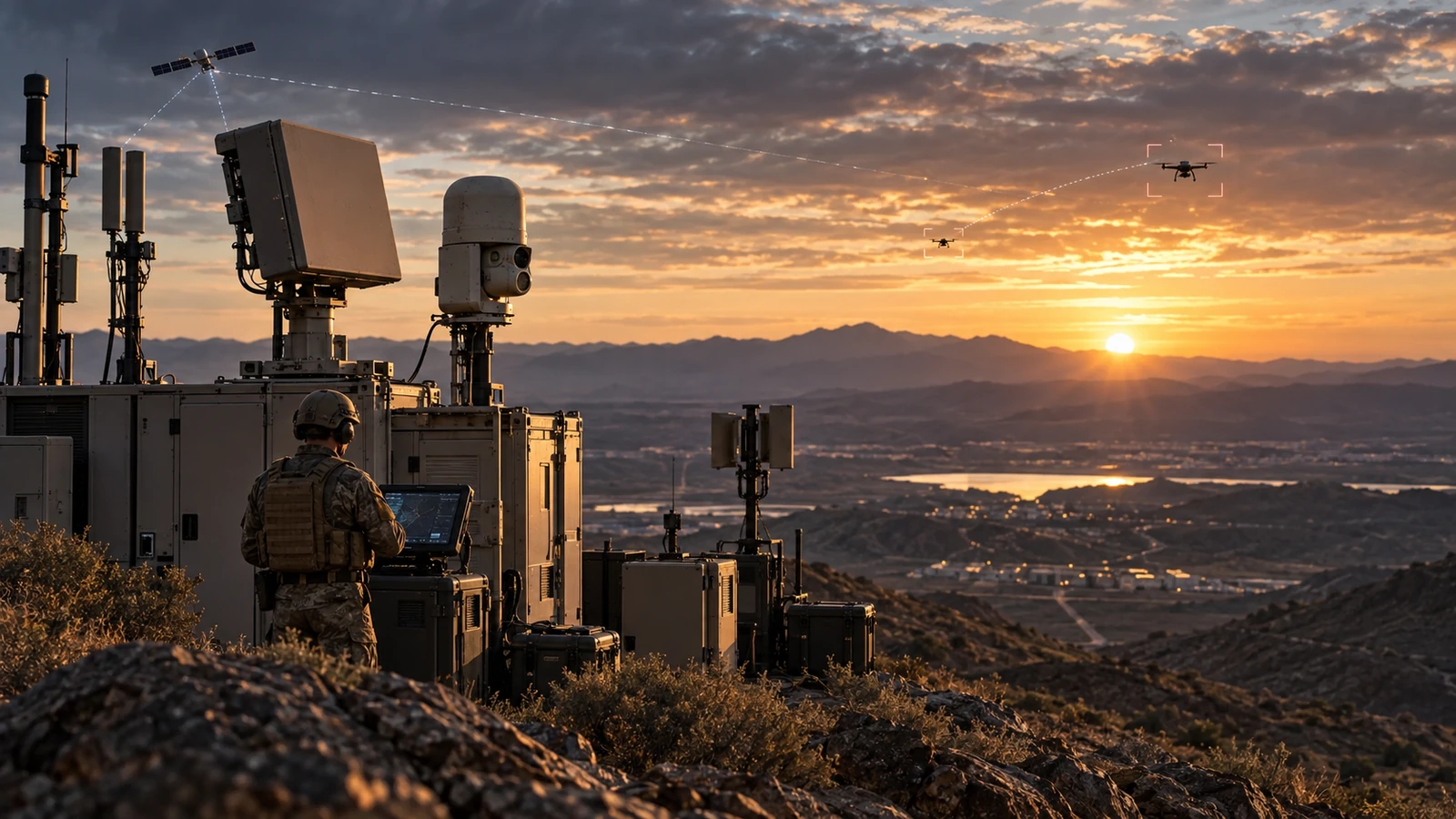
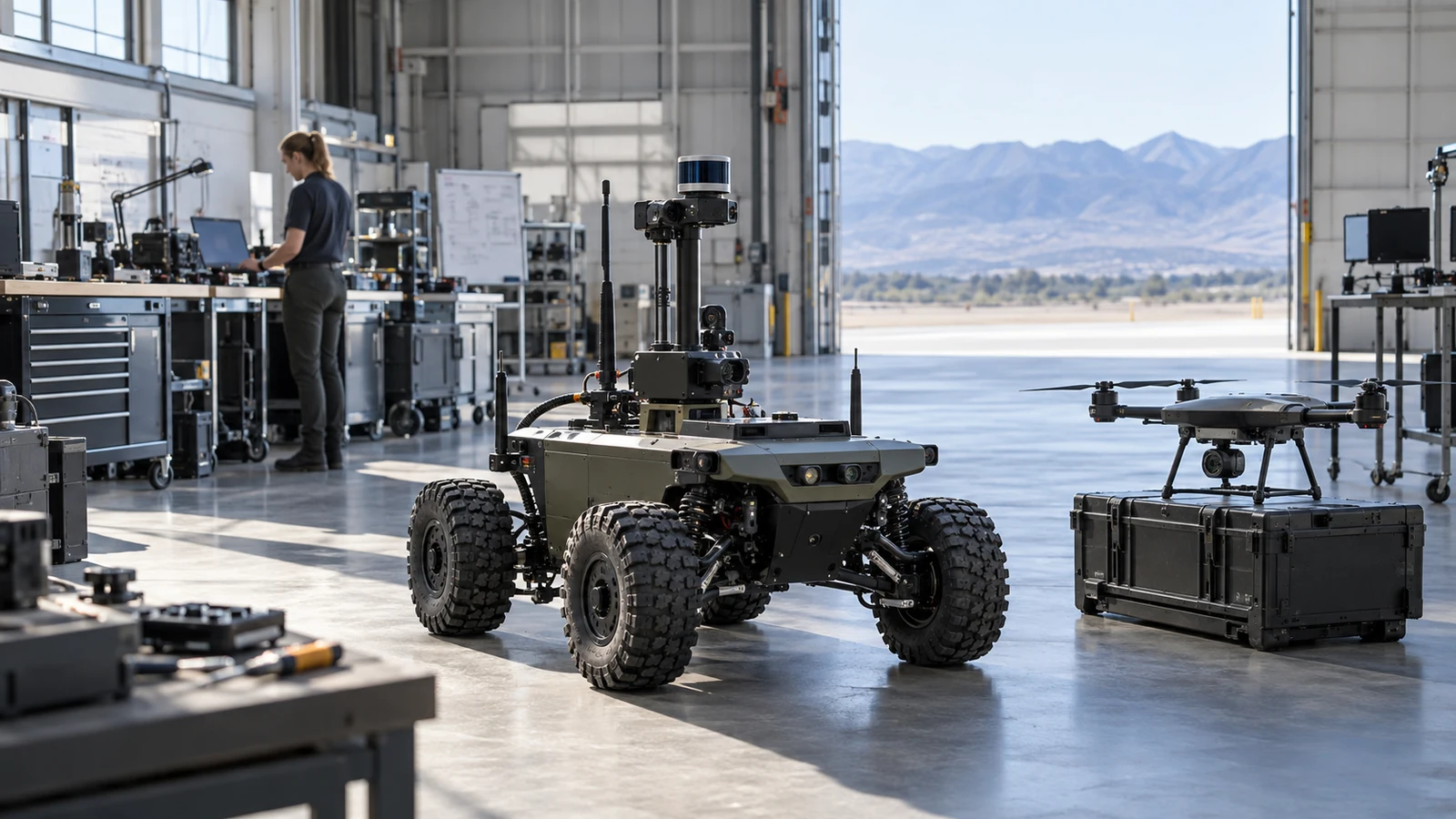
- Meteor's portfolio spans unmanned aerial, ground and surface systems, precision and loitering systems, electronic warfare and SIGINT capabilities, C4ISR and other sovereign defence solutions.
The development
VisionWave entered a definitive binding agreement to acquire a 51% controlling interest in Meteor Aerospace Ltd. The transaction values Meteor at a $40 million pre-money valuation and contemplates approximately $20.4 million of VisionWave stock as consideration.
Meteor's portfolio spans unmanned aerial, ground and surface systems, precision and loitering systems, electronic warfare and SIGINT capabilities, C4ISR and other sovereign defence solutions.
Closing remains subject to conditions that include successful Impact-700 UAV flight validation and completion of due diligence. Meteor founder Itzhak Nissan is expected to continue in a senior technology leadership role following closing.
Why this matters
This development gives VisionWave Holdings, Inc. a new milestone within its focus on aI-enabled defence technology, sensing, communications and autonomous systems. Its importance rests on whether it improves execution visibility, advances a defined program or strengthens the foundation for the company’s next phase.
The announcement defines a proposed strategic direction, but the final operating result depends on the assets, rights, obligations and personnel that move through closing. Due diligence, regulatory approvals, financing and other conditions can still change timing or structure.
The strategic case will be tested after closing through integration, customer relevance, technical interoperability and capital discipline. The transaction becomes meaningful when the combined platform produces measurable operating progress rather than simply a broader corporate description.
Industry and company context
For $VWAV, the next comparison point will be the evidence that follows. Consistency between this announcement, future results and the company’s stated timetable will matter more than the initial headline in isolation.
Defence technology moves from concept to revenue through validation, interoperability testing, field evaluation, customer qualification and procurement. Technical capability and commercial timing therefore need to be assessed separately.
Patents, distribution agreements and acquisitions can broaden an opportunity set, but investors still need evidence that the pieces work together, address a defined customer requirement and can be delivered at an acceptable cost and schedule.
How to evaluate the update
A useful transaction review begins with the definitive documents: consideration, ownership, assumed liabilities, conditions, termination rights and the expected closing timetable. Promotional descriptions should be tested against those binding terms.
After closing, evaluation shifts to integration. Reporting should show who is responsible, what systems or assets are being combined, how much capital is required and which customer or operating milestones will demonstrate that the transaction is working.
Execution and risk considerations
Defence programs can face long procurement cycles, security requirements, export controls, customer testing and integration risk. A capable technology may still require substantial time and capital before a contract produces recognized revenue.
Acquisitions and partnerships add coordination risk. Intellectual property, personnel, supply chains and customer relationships must be integrated without weakening delivery or increasing costs beyond the expected benefit.
What to watch next
- Completion of stated due-diligence, regulatory and closing conditions.
- Any change to transaction structure, consideration, ownership or expected timing.
- Technical and operating integration milestones supported by specific evidence.
- Commercial programs, customer evaluations or contracts tied to the combined strategy.
Cornerstone perspective
Seen against VisionWave Holdings, Inc.’s broader strategy, this is best understood as a transaction milestone rather than a standalone headline. The announcement establishes the reference point; execution will determine how much lasting value it creates.
The commercial value of the transaction will be determined by what survives the closing process and how effectively the organizations align technology, people, capital and customer programs. Strategic fit becomes meaningful only when it produces a workable operating plan.
This article is informational and is not investment advice or a recommendation to buy or sell securities. Forward-looking statements involve risks and uncertainty. Readers should review the original source and report factual concerns through our corrections page.